

Diamond Price Shift: 2024 vs 2026
The price gap between natural and lab-grown diamonds is shrinking. For years, natural diamonds cost significantly more due to rarity and mining complexity. That's changing as lab-grown production increases.
In 2024, a 1-carat lab-grown diamond cost about 30-40% of a natural one. By 2026, this difference will likely shrink further. More production and better technology are lowering lab-grown diamond prices.
Energy costs, demand shifts, and new production methods can make prices unpredictable. These are estimates, not guarantees.
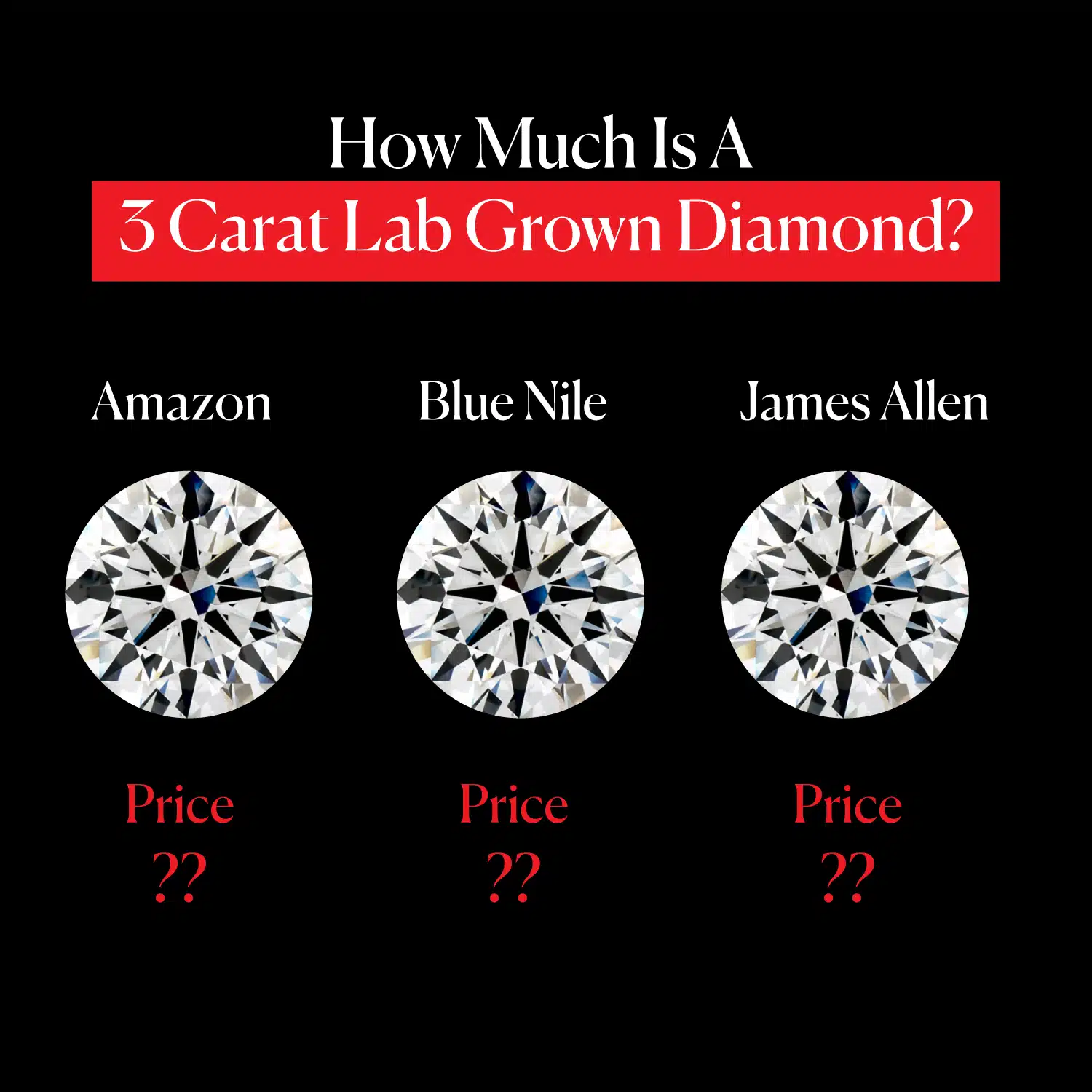
Lab-Grown Diamond Pricing: The Four Cs
The Four Cs—Carat, Cut, Clarity, and Color—still determine lab-grown diamond prices, like natural ones. Carat weight has a similar impact: bigger diamonds cost more.
Cut quality is especially important for lab-grown diamonds. Since they often lack natural flaws, a good cut maximizes brilliance. Lab-grown diamonds also frequently achieve higher clarity grades, like internally flawless, without the huge price jump seen in natural stones.
Color grading is similar, though perception can vary. A faint yellow might be less noticeable in a clearer lab-grown diamond. Ritani.com shows 1-carat lab-grown diamonds (VS2, H color) from $700 to $1200, depending on the cut.
Always get grading reports from reputable labs like IGI or GCAL for lab-grown diamonds. They verify the 4Cs and confirm quality.
- Carat: Weight of the diamond (1 carat = 200 milligrams).
- Cut: How well the diamond’s facets interact with light.
- Clarity: Absence of inclusions (internal flaws) and blemishes (external flaws).
- Color: How white or colorless the diamond appears.
Impact of the 4Cs on Price: Lab-Grown vs. Natural Diamonds (2026 Estimate)
| Characteristic | Lab-Grown Diamond | Natural Diamond |
|---|---|---|
| Carat | High Impact | High Impact |
| Cut | Moderate Impact | High Impact |
| Clarity | Moderate Impact | High Impact |
| Color | Moderate Impact | High Impact |
| Fluorescence | Low Impact | Moderate Impact |
| Shape | Low Impact | Moderate Impact |
| Origin (for Natural Diamonds) | N/A | High Impact |
Illustrative comparison based on the article research brief. Verify current pricing, limits, and product details in the official docs before relying on it.
Natural Diamond Price Trends: A Reality Check
Natural diamond prices have been volatile recently. Supply chain issues and geopolitical instability have affected availability and prices.
Marketing still emphasizes rarity and emotional value for natural diamonds. However, lab-grown diamonds offer competition, challenging this narrative. Some believe natural diamonds hold value due to scarcity and emotional appeal.
Whiteflash.com notes that larger, high-quality natural diamonds have seen stable prices, while smaller, lower-quality ones fluctuate more. The long-term price trend for natural diamonds is uncertain.
1 Carat Comparison: Lab-Grown vs. Natural (2026 Projection)
For a 1-carat diamond in 2026, expect these price ranges: Lab-grown (VS2, G color) will likely be $800-$1500. Lab-grown (VS1, F color) could range from $1200-$2000.
Natural diamonds will be significantly more. A 1-carat natural diamond (VS2, G color) is projected at $4,000-$6,000. Higher quality (VS1, F color) could reach $5,500-$8,000+.
These are estimates; actual prices vary by retailer and market conditions. Compare prices from multiple sources. Ritani.com is good for lab-grown, Whiteflash.com for natural.
Excellent cut grades command a premium for both types of diamonds, leading to greater brilliance.
- Lab-Grown (VS2, G): $800 - $1500 (Projected 2026)
- Lab-Grown (VS1, F): $1200 - $2000 (Projected 2026)
- Natural (VS2, G): $4,000 - $6,000 (Projected 2026)
- Natural (VS1, F): $5,500 - $8,000+ (Projected 2026)
Featured Products
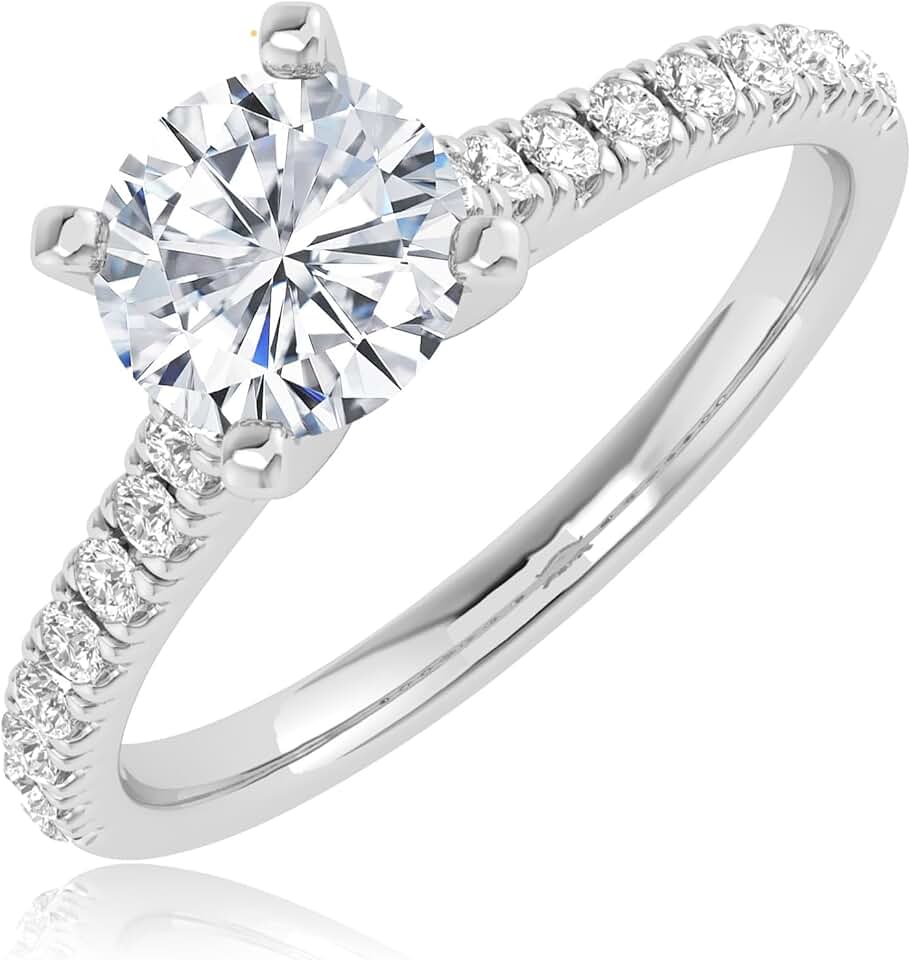
1-6 Carat total weight · Round cut diamond · Prong set solitaire design
This solitaire ring offers a substantial carat weight in a classic design, providing a strong benchmark for comparison.
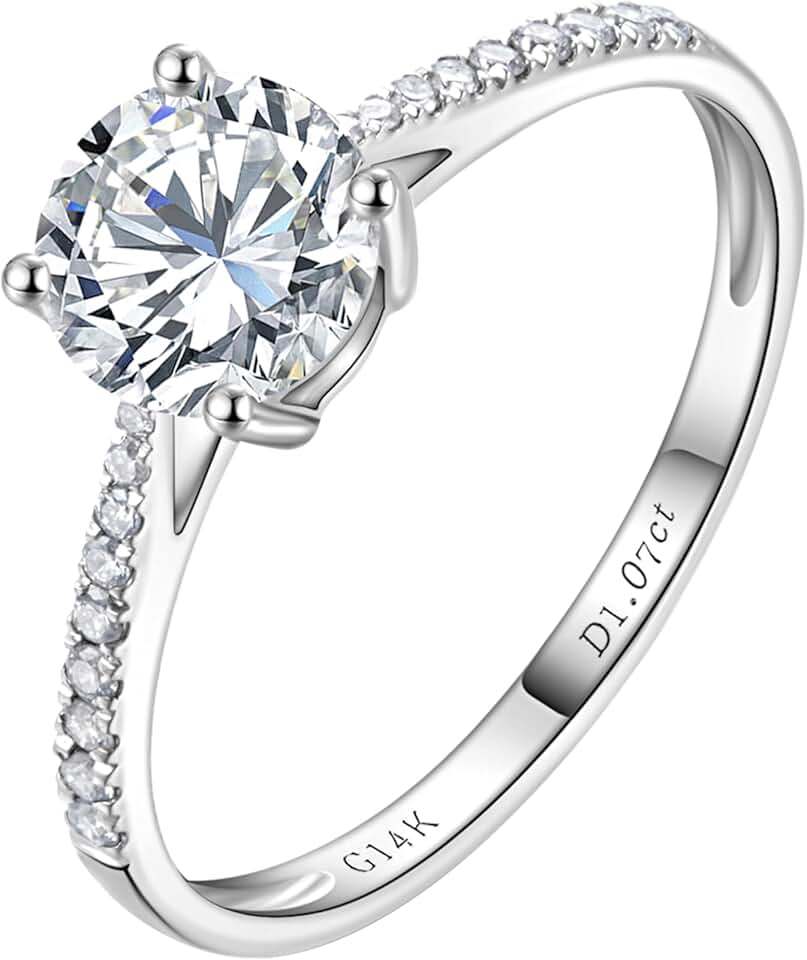
1-3 Carat total weight · Round cut diamond · Halo setting
The halo design adds visual impact, and the IGI certification ensures verified quality for this popular style.

0.75 to 5 Carat total weight · Princess cut diamond · Solitaire design
This princess cut solitaire offers a different shape option with IGI certification, broadening the comparison range.
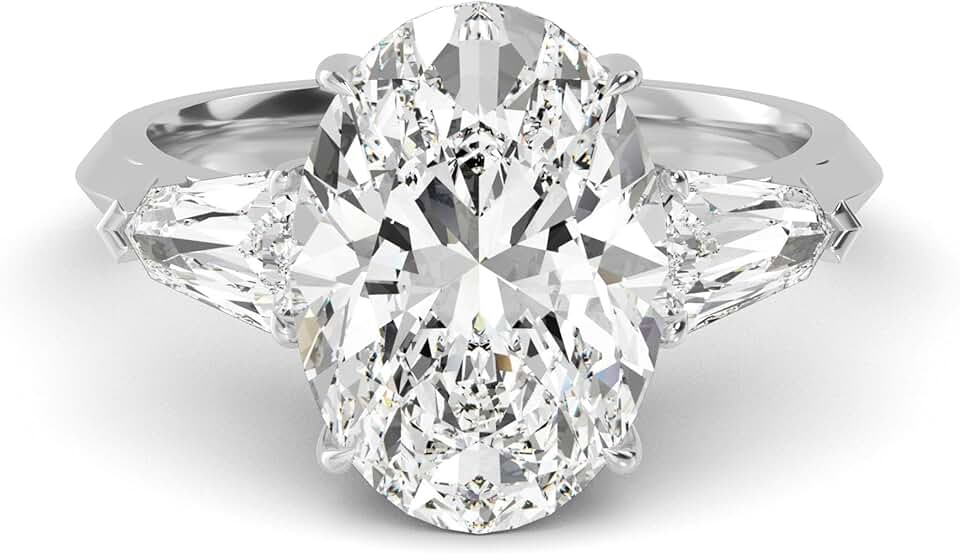
1-5 Carat total weight · Oval and Shield cut diamonds · Three-stone design
The three-stone setting with mixed cuts provides a more complex design for comparison, showcasing variety in lab-grown options.

1-3 Carat total weight · Pear shaped diamond · Vintage halo and infinity band set
This two-piece set features a pear shape and high VVS clarity, offering a distinct style and premium quality for comparison.
As an Amazon Associate I earn from qualifying purchases. Prices may vary.
Beyond the Carat: Hidden Costs & Considerations
The ring setting significantly impacts the total cost. Platinum is most expensive, followed by white and yellow gold. Intricate designs with pave diamonds cost more.
Factor in insurance, appraisals, and resizing. These can add several hundred dollars to the total cost.
Both lab-grown and natural diamonds depreciate significantly. Natural diamonds may retain some value due to rarity, but the resale market is limited for both, especially lab-grown.
Retailer Options: Where to Buy in 2026
Retailers like Ritani, Whiteflash, and James Allen offer wide selections online. James Allen is known for its 360-degree images and virtual try-on.
Blue Nile offers online selection with showroom viewings. Local jewelers provide personalized service and custom design, usually at a higher price.
New retailers focus on lab-grown diamonds, emphasizing sustainability and ethical sourcing with detailed origin information. Choose based on your priorities: convenience, price, selection, or service.
Future-Proofing Your Purchase: Long-Term Value
Future diamond value depends on several factors. Lab-grown technology advancements could lower costs further. Consumer preferences will also play a role.
Natural diamond prices could be affected by supply chain changes or new discoveries. Ultimately, value depends on many factors. Focus on quality, regardless of origin.
Expert Opinions & Community Sentiment
Gemologists see lab-grown diamonds as good value, especially for those wanting size and clarity. They also recognize the emotional draw and historical significance of natural diamonds.
Jewelry designers are using lab-grown diamonds for their beauty and affordability. Online forums show mixed opinions: some praise lab-grown for ethics and cost, while others prefer the prestige of natural diamonds.
Both lab-grown and natural diamonds have a market. The best choice depends on your preferences, budget, and values. Being informed is key.
No comments yet. Be the first to share your thoughts!