

AI Home Automation Costs: A 2026 Snapshot
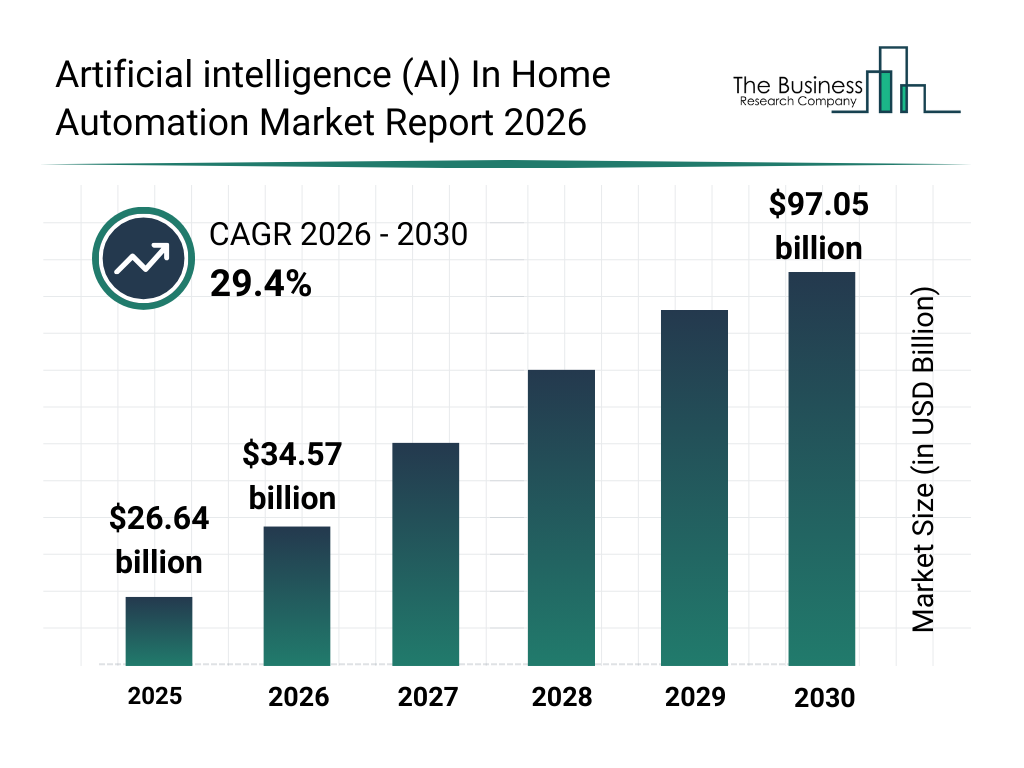
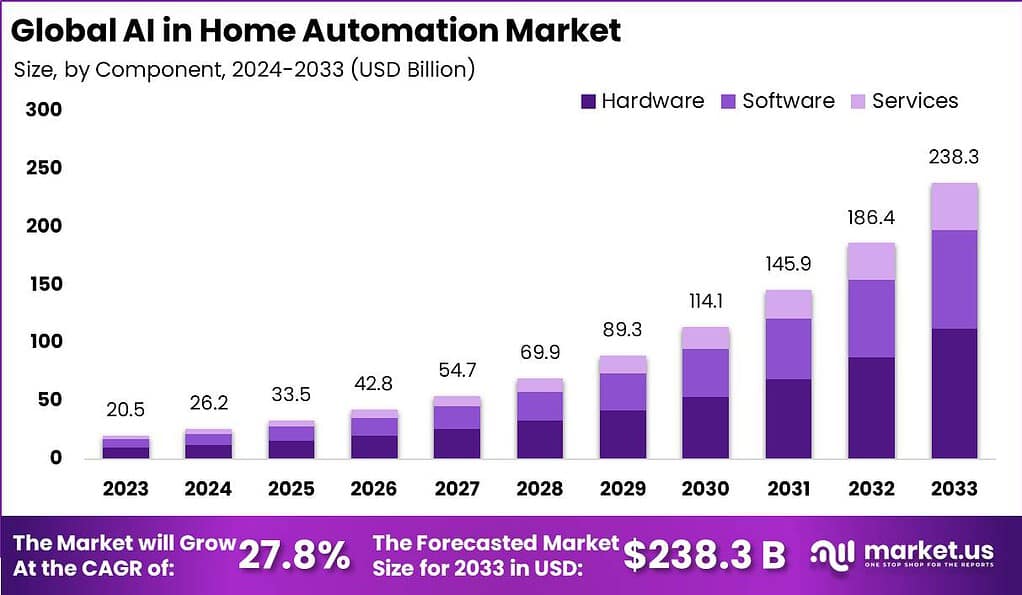
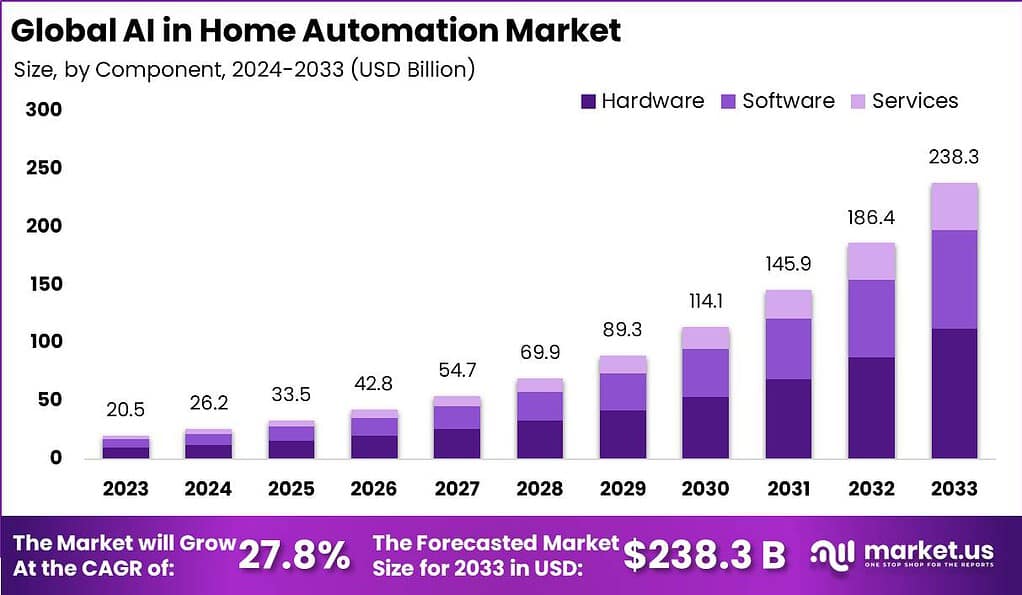
The AI-powered smart home is rapidly becoming less of a futuristic fantasy and more of a present-day reality. Heading into 2026, we’re seeing a shift in how people approach home automation – it's less about remote control and more about proactive, intelligent systems. Several factors are influencing cost, and while inflation has cooled somewhat, supply chain issues, particularly concerning specialized chips, still linger. The increasing sophistication of the AI algorithms themselves also contributes to higher prices, but importantly, it's also driving down long-term costs through efficiency.
It’s crucial to understand that "AI’ isn"t simply a component you add to a smart home; it's becoming intrinsically woven into almost every device. Your thermostat learns your patterns, your security system recognizes faces, and your entertainment system anticipates your preferences. This integration is what's driving the next wave of smart home functionality, and it’s reflected in the price. Expect to see continued growth in the market, but also a more nuanced understanding of what true smart home automation entails.
This isn’t a cheap endeavor, and a fully realized AI-driven home will require a significant investment. However, costs are becoming more predictable as the market matures and competition increases. We're moving away from a 'wild west' of pricing and toward a more standardized, albeit still premium, market. The range of possibilities is huge, from a simple smart speaker setup to a fully integrated system controlling every aspect of your home.
Don't expect to find a single, all-inclusive price tag. The cost of an AI home automation system in 2026 is intensely personal. It depends on the size of your home, your existing infrastructure, the level of integration you desire, and your comfort level with DIY projects. What follows is a detailed breakdown of the major cost components, designed to help you navigate the landscape and make informed decisions.
Core Systems: The Foundation of Smart Living
The foundation of any smart home lies in its core systems: the hub, the thermostat, the lighting, and the locks. These are the components that provide the basic building blocks for automation and control. The cost of these systems can vary dramatically depending on the brand, features, and whether you opt for professional installation. A smart hub, like a Samsung SmartThings hub, typically ranges from $100 to $300, while the Hubitat Elevation hub, favored by enthusiasts for its local control, is around $150.
Smart thermostats from companies like Ecobee and Nest generally fall between $180 and $280. These devices don’t just control temperature; they learn your habits and optimize energy consumption. Smart lighting, such as Philips Hue or Lutron Caséta, can range from $50 for a starter kit to $500 or more for a whole-home setup. Lutron Caséta, while more expensive upfront, offers superior reliability and integration. Smart locks, like those from August and Yale, typically cost between $150 and $300, providing keyless entry and remote access.
Don’t underestimate the "hidden" costs of hubs. Some require monthly subscription fees for advanced features like cloud storage or professional monitoring. Compatibility is another critical consideration. Not all devices work seamlessly with all hubs, so careful planning is essential. A poorly chosen hub can limit your options and force you to replace devices down the line. This is where doing your research before you buy is critical.
Installation costs also play a significant role. While many of these devices are designed for DIY installation, professional installation can add $100 to $300 per device, especially if electrical work is required. For example, replacing a traditional thermostat with a smart thermostat is usually a simple DIY project, but installing smart lighting throughout a large home might be best left to a professional.
- Smart Hub: $100 - $300 (Samsung SmartThings, Hubitat Elevation)
- Smart Thermostat: $180 - $280 (Ecobee, Nest)
- Smart Lighting (Starter Kit): $50 - $500+ (Philips Hue, Lutron Caséta)
- Smart Lock: $150 - $300 (August, Yale)
Smart Home Hub Comparison - 2026 Estimates
| Hub | Local Control | Protocol Compatibility | Cloud Dependency | Estimated Price (USD) |
|---|---|---|---|---|
| SmartThings | Limited - some functions require cloud | Zigbee, Z-Wave, Wi-Fi | High - core functionality relies on cloud services | $100 - $200 (Hub) + potential subscription fees |
| Hubitat Elevation | Extensive - prioritizes local processing | Zigbee, Z-Wave, Wi-Fi | Low - designed for local operation, cloud access optional | $150 - $300 |
| Home Assistant | Full - entirely local operation possible | Zigbee, Z-Wave, Wi-Fi, Bluetooth, and many others via integrations | None - operates independently of the cloud | Free (Software) + $50 - $300+ (Hardware - Raspberry Pi or similar) |
| Apple HomeKit (via Apple TV/HomePod) | Moderate - relies on a Home Hub (Apple TV or HomePod) | HomeKit-enabled devices (often Wi-Fi or Bluetooth) | Moderate - requires iCloud for remote access and some features | $100 - $300 (Home Hub - Apple TV/HomePod) |
| Amazon Echo (as Hub) | Limited - many functions rely on the cloud | Zigbee, Wi-Fi (via Echo devices with built-in hub) | High - heavily reliant on Amazon's cloud services | $80 - $150 (Echo Device with Hub) + potential subscription fees |
| Google Nest Hub (as Hub) | Limited - many functions rely on the cloud | Wi-Fi, Matter | High - heavily reliant on Google's cloud services | $100 - $200 (Nest Hub) |
Illustrative comparison based on the article research brief. Verify current pricing, limits, and product details in the official docs before relying on it.
Security & Surveillance: Protecting Your Investment
AI-powered security systems are a major driver of growth in the smart home market. Systems from Ring, Google Nest Cam, and Arlo are becoming increasingly sophisticated, offering features like facial recognition, package detection, and anomaly detection. These features go beyond simple motion sensing, providing a more intelligent and proactive security solution. A basic smart camera typically costs between $80 and $200, while more advanced models with pan, tilt, and zoom capabilities can exceed $300.
Video doorbells, like the Ring Video Doorbell and Google Nest Doorbell, range from $100 to $250. These devices allow you to see and speak to visitors remotely, even when you're not home. Complete alarm systems, including door and window sensors, motion detectors, and a base station, can cost anywhere from $200 to $800 or more. Professional monitoring services, which provide 24/7 monitoring and emergency dispatch, typically add $20 to $60 per month.
The trade-offs between DIY and professionally installed security systems are significant. DIY systems are generally cheaper upfront, but they require more effort to install and maintain. Professionally installed systems offer peace of mind and expert installation, but they come with higher upfront costs and ongoing monitoring fees. The choice depends on your budget, technical skills, and security needs.
A critical ongoing cost to consider is cloud storage for video footage. Most security cameras require a subscription to store recordings, typically ranging from $5 to $20 per month per camera. Without a subscription, you may only have access to live video feeds. It’s easy to overlook this cost, but it can add up significantly over time.
Entertainment & Convenience: Beyond the Basics
Beyond security and core systems, AI is enhancing entertainment and convenience features in the home. Smart speakers, like the Amazon Echo and Google Home, are now commonplace, offering voice control, music streaming, and access to information. These typically cost between $50 and $200, depending on the model and features. Smart displays, which combine the functionality of a smart speaker with a touchscreen, range from $100 to $300.
Robotic vacuums, like the Roomba and Roborock, are becoming increasingly popular, automating the chore of vacuuming. These devices use AI to map your home and navigate obstacles, offering a hands-free cleaning solution. Prices range from $200 to $1,000 or more, depending on the features and suction power. Smart appliances, such as refrigerators, ovens, and washing machines, are also gaining traction, offering features like remote control, automated cooking, and energy monitoring.
AI is making these devices more proactive and personalized. A smart refrigerator can suggest recipes based on its contents, while a smart oven can automatically adjust cooking times based on the type of food. Whole-home audio systems, controlled by AI assistants, allow you to stream music throughout your home with voice commands. These systems can cost between $500 and $2,000 or more, depending on the number of speakers and the quality of the audio.
The trend is toward devices that anticipate your needs. Your smart home isn't just responding to commands; it's learning your habits and proactively adjusting settings to improve your comfort and convenience. This level of intelligence is what justifies the higher price tag for these AI-driven features.
- Smart Speaker: $50 - $200 (Amazon Echo, Google Home)
- Smart Display: $100 - $300
- Robotic Vacuum: $200 - $1,000+ (Roomba, Roborock)
- Smart Appliances: Varies widely, $800+ for a refrigerator
Installation Costs: DIY vs. Professional
Installation costs represent a significant portion of the overall AI home automation expense. The choice between DIY and professional installation depends on your technical skills, comfort level, and the complexity of the system. DIY installation is generally cheaper, but it requires time, effort, and a willingness to troubleshoot problems. Professional installation, while more expensive, offers peace of mind and ensures that the system is installed correctly and safely.
According to Angi, as of late 2023, the national average cost for smart home installation is between $150 and $1,000, but this can vary widely depending on the number of devices, the complexity of the installation, and your location. Hourly rates for smart home installers typically range from $75 to $150 per hour. Factors that influence installation costs include home size, the number of devices being installed, the need for electrical work, and the complexity of the system.
Some systems require professional installation for safety or warranty reasons. For example, installing a new electrical circuit for a smart appliance or hardwiring a security system should always be done by a qualified electrician. Attempting these tasks yourself could void warranties and potentially create a safety hazard. It’s also worth noting that some insurance companies may require professional installation for certain security systems in order to qualify for discounts.
Don't forget to factor in the cost of tools and materials if you choose the DIY route. You may need to purchase additional wiring, connectors, and mounting hardware. A basic toolkit can cost $50 to $100, while more specialized tools can be significantly more expensive.
Ongoing Costs: Subscriptions and Maintenance
The initial purchase price is only part of the equation. Ongoing costs, such as subscription fees and maintenance, can add up significantly over time. Many AI-powered smart home devices require monthly subscriptions for cloud storage, professional monitoring, and software updates. These subscriptions typically range from $5 to $60 per month, depending on the features and the number of devices.
Maintaining the system also requires ongoing expenses. Batteries need to be replaced periodically, devices may require repairs, and software updates may necessitate occasional troubleshooting. 'Planned obsolescence' is a real concern in the smart home market, meaning that devices may become outdated and incompatible with newer technologies over time. Be prepared to replace devices every few years to keep your system up-to-date.
Consider the cost of internet service. A reliable internet connection is essential for most smart home devices to function properly. If you don't already have a high-speed internet plan, you'll need to factor that into your ongoing expenses. The cost of internet service can vary depending on your location and provider, but it typically ranges from $50 to $100 per month.
It’s easy to focus on the upfront cost of an AI home automation system, but these ongoing expenses can significantly impact your overall budget. Factor these costs into your calculations to get a realistic picture of the total cost of ownership.
Future-Proofing: Scalability and Compatibility
Choosing a system that is scalable and compatible with future technologies is crucial for long-term value. The smart home market is constantly evolving, with new devices and standards emerging all the time. You want to choose a system that can adapt to your changing needs and integrate with new technologies as they become available. This means considering the communication protocols used by the devices.
Zigbee and Z-Wave are two popular communication protocols for smart home devices. They offer reliable, low-power communication, but they require a hub to connect to your network. Matter is a newer standard that aims to unify the smart home ecosystem, allowing devices from different manufacturers to communicate seamlessly. While Matter is still in its early stages, it has the potential to simplify smart home integration and improve compatibility.
The latest developments in smart home standards are focused on interoperability and security. The Connectivity Standards Alliance (CSA) is working to promote the adoption of Matter and ensure that devices from different manufacturers can work together seamlessly. Security is also a major concern, as smart home devices can be vulnerable to hacking and data breaches. Choose devices that offer strong security features and regularly update their firmware.
Think long-term when choosing a smart home system. Consider your future needs and choose a system that can grow with you. Don't lock yourself into a proprietary ecosystem that limits your options. A flexible, interoperable system will provide the most value over the long run.
AI Home Automation Cost Breakdown: 2026 Estimates
Here’s a breakdown of estimated costs for different levels of AI home automation in 2026, including hardware, installation, and ongoing expenses. These are ranges, and actual costs will vary depending on your specific needs and choices. These estimates assume a 2,000 square foot home.
Basic ($500 - $1,500): This level includes a smart hub ($100-$200), a smart thermostat ($200), a few smart lights ($100-$200), and a video doorbell ($150). Installation is primarily DIY. Ongoing costs: $10-$30/month for cloud storage.
Mid-Range ($2,000 - $5,000): This level builds on the basic setup with a more comprehensive security system (smart cameras, door/window sensors, professional monitoring), a robotic vacuum ($300-$600), and a smart speaker with a display ($200). Professional installation of the security system is included. Ongoing costs: $30-$80/month for monitoring and cloud storage.
Premium ($5,000 - $15,000+): This level includes a fully integrated system with advanced AI features, such as whole-home audio ($1,000+), smart appliances ($2,000+), and a sophisticated security system with facial recognition and anomaly detection. Professional installation of all components is included. Ongoing costs: $80-$200+/month for monitoring, cloud storage, and potential appliance subscriptions.
No comments yet. Be the first to share your thoughts!