

Climate costs are already here
Climate change isn’t a distant threat; it’s impacting homeowners’ wallets right now. A recent report from WBUR Cognoscenti estimates the average US household is already paying around $900 per year due to climate-related expenses. This isn’t about future risks, it’s about the existing financial strain from more frequent and intense extreme weather events.
This $900 figure is a baseline – it accounts for things like increased grocery prices due to crop failures, disruptions to supply chains, and the rising costs of disaster relief. But the most direct impacts for homeowners are often increasing insurance premiums, the expense of repairs after storms, and the potential for long-term property value declines in vulnerable areas.
Spending money on resilience now is a hedge against these rising costs. It’s a shift from viewing home maintenance as a chore to seeing it as a way to protect your equity. Here is what those specific upgrades actually cost in today's market.
Flood-proofing by the room
For homes in flood-prone areas, flood-proofing is no longer optional. But the costs can vary significantly depending on the level of protection needed and the specific features of your property. A basic approach might involve sealing the foundation to prevent water intrusion, which can range from $500 to $2,000 depending on the size of your foundation and the method used.
Essential components include a sump pump with battery backup ($300-$800 installed) and elevating critical utilities like your HVAC system and electrical panel. Elevating utilities can cost anywhere from $3,000 to $10,000 or more, depending on the complexity of the work. Installing French drains to redirect water away from the foundation typically runs between $1,000 and $5,000.
Switching to waterproof or water-resistant materials—like concrete flooring, closed-cell foam insulation, and cement board—during renovations adds to the cost but can save significantly on damage repair. These material swaps can add 10-20% to the cost of a remodel. The cost of not flood-proofing is potentially catastrophic: a single flood event can easily cause tens of thousands of dollars in damage.
Homeowners should investigate potential assistance. FEMA offers grants for flood mitigation, and many insurance companies provide discounts for homes with flood-proofing measures. Regional variations are significant; coastal properties will generally face higher costs than those inland.
- Foundation Sealing: $500 - $2,000
- Sump Pump (with backup): $300 - $800
- Elevating Utilities: $3,000 - $10,000+
- French Drains: $1,000 - $5,000
- Waterproof materials: 10-20% increase in renovation budget
Flood-Proofing Method Comparison (Estimated 2026 Costs & Characteristics)
| Method | Estimated Cost Range | Effectiveness | Installation Disruption | Long-Term Maintenance |
|---|---|---|---|---|
| Foundation Sealing | Approximately $5,000 - $15,000 (depending on foundation size and materials) | Moderate - Reduces water intrusion through cracks, but doesn't prevent hydrostatic pressure buildup. | Moderate - Requires excavation around the foundation. | Low - Periodic inspection and re-application of sealant may be needed. |
| Sump Pump Installation | $750 - $3,000 (including pump and installation) | Moderate - Removes water that enters the basement, but doesn't prevent flooding. | Low - Relatively quick installation, minimal disruption. | Moderate - Pump requires occasional maintenance and eventual replacement. Battery backup systems add to maintenance. |
| Elevating the Structure | $30,000 - $100,000+ (highly variable based on home size, foundation type, and local regulations) | High - Significantly reduces flood risk by raising the living space above the base flood elevation. | High - Major construction project, requires vacating the property. | Moderate - Structural components require periodic inspection. |
| Dry Floodproofing (Sealed Walls) | $5,000 - $20,000 (depending on wall area and sealing methods) | Moderate - Prevents water from entering through walls, but requires careful sealing and may not withstand significant water pressure. | Moderate - Requires sealing of all wall penetrations. | Low - Periodic inspection of seals is necessary. |
| Wet Floodproofing (Allowing Entry) | $1,000 - $5,000 (for modifications to allow water flow and protect contents) | Low - Allows water to enter, minimizing structural damage but requiring flood insurance and careful preparation. | Low - Relatively simple modifications. | Low - Primarily involves maintaining flood vents and protecting contents. |
| French Drain Installation | $3,000 - $8,000 (depending on length and depth) | Moderate - Diverts water away from the foundation, reducing hydrostatic pressure. | Moderate - Requires excavation around the foundation. | Low - Occasional cleaning to prevent clogging. |
Illustrative comparison based on the article research brief. Verify current pricing, limits, and product details in the official docs before relying on it.
Solar costs in 2026
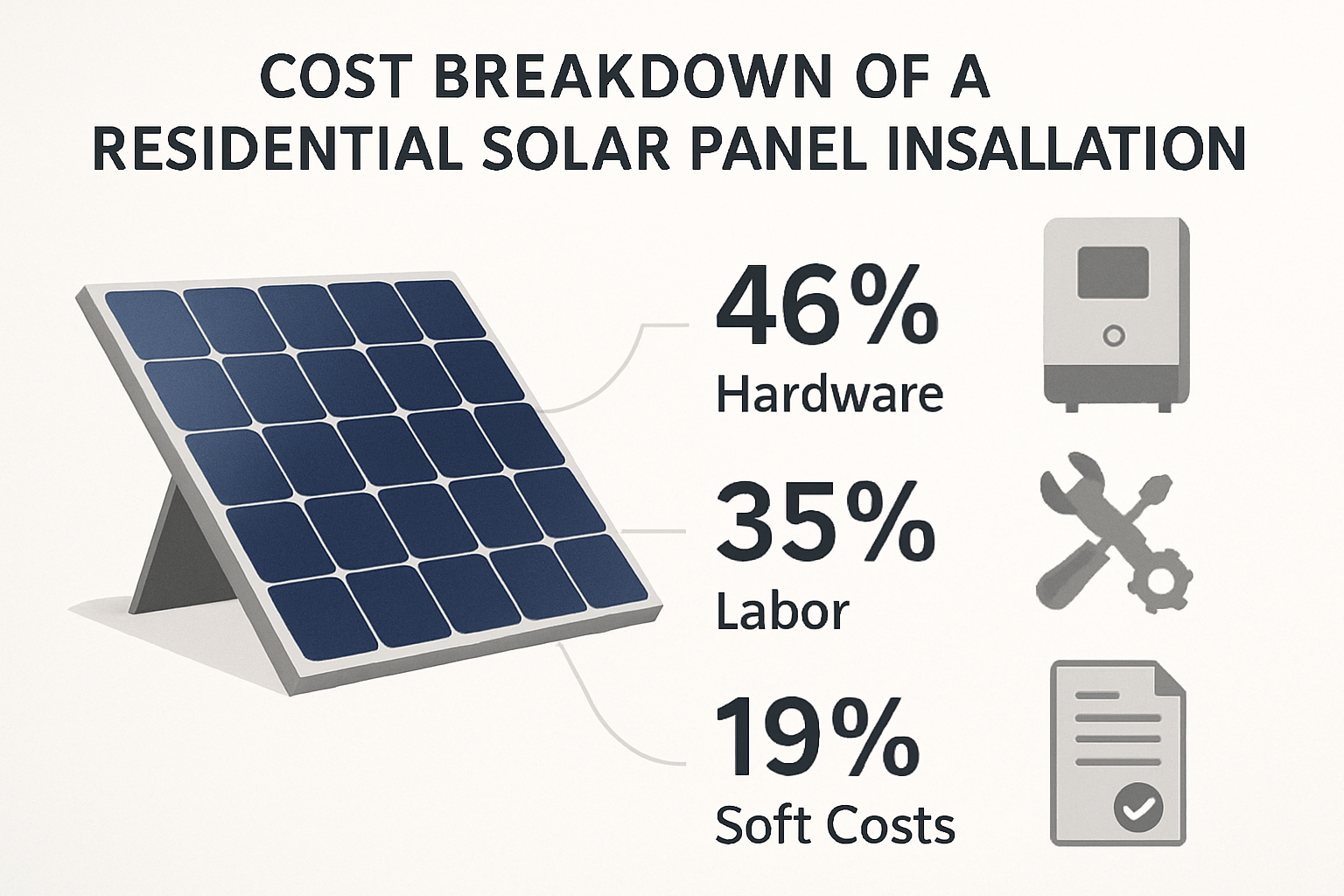
The cost of solar panel systems in 2026 will depend on several factors, including system size, panel type, and installation complexity. While panel prices have fluctuated, a typical 6kW system – enough to offset the energy usage of a modest home – currently costs around $22,500 before incentives. That breaks down to roughly $3.75 per watt.
However, the panels themselves are only part of the equation. You also need to factor in the cost of inverters ($1,500 - $3,000), racking and mounting hardware ($500 - $1,500), labor ($2,000 - $4,000), permitting fees ($100 - $500), and potential electrical panel upgrades ($500 - $2,000). Monocrystalline panels are generally more efficient and durable, but also more expensive (around $4.00-$4.50/watt) than polycrystalline panels ($3.00-$3.50/watt).
Battery storage is becoming increasingly popular, allowing homeowners to store excess solar energy for use at night or during power outages. Adding a 10kWh battery can add another $10,000 - $15,000 to the overall cost. Fortunately, the federal solar tax credit currently covers 30% of the total system cost, significantly reducing the upfront investment. That means on a $22,500 system, you could receive a tax credit of $6,750.
Get at least three quotes. Prices move fast, and the difference between installers can be thousands of dollars for the same hardware.
- 6kW system: $22,500 average before incentives
- Inverters: $1,500 - $3,000
- Racking/Mounting: $500 - $1,500
- Labor: $2,000 - $4,000
- Permitting: $100 - $500
- Electrical Panel Upgrade: $500 - $2,000
- 10kWh Battery: $10,000 - $15,000
- Federal Tax Credit: 30% of total cost
Where to start with energy efficiency
Improving your home’s energy efficiency is often the most cost-effective way to reduce your carbon footprint and lower your utility bills. A comprehensive home energy audit ($200 - $600) is the best place to start – it will identify areas where your home is losing energy and recommend specific upgrades. Prioritizing upgrades based on ROI is crucial.
Attic insulation is typically the most impactful upgrade, often paying for itself within a few years. Adding insulation to your attic can cost between $1,500 and $4,000, depending on the size of your attic and the type of insulation used. Similarly, improving wall insulation can significantly reduce heat loss, with costs ranging from $2,000 to $8,000 depending on the wall type and insulation method.
High-efficiency windows and doors are another worthwhile investment, although they tend to have a longer payback period (10-20 years). Replacing old windows can cost $500 - $1,500 per window, while new doors can range from $500 to $3,000 each. Air sealing cracks and gaps around windows, doors, and pipes is a relatively inexpensive upgrade ($100 - $500) that can yield significant savings.
Don't overlook the benefits of a smart thermostat ($100 - $300). These devices learn your heating and cooling patterns and automatically adjust the temperature to save energy. Heat pumps are also becoming increasingly popular as a highly efficient alternative to traditional furnaces and air conditioners, though installation can be costly ($5,000 - $12,000).
- Home Energy Audit: $200 - $600
- Attic Insulation: $1,500 - $4,000
- Wall Insulation: $2,000 - $8,000
- High-Efficiency Windows (per window): $500 - $1,500
- High-Efficiency Doors: $500 - $3,000
- Air Sealing: $100 - $500
- Smart Thermostat: $100 - $300
- Heat Pump Installation: $5,000 - $12,000
Climate Resilience Upgrades
- Air Sealing - Addressing drafts around windows, doors, and other penetrations can significantly reduce energy loss. Estimated Cost: $500 - $2,000. Annual Savings: $100 - $300.
- LED Lighting - Replacing incandescent or halogen bulbs with LEDs uses significantly less energy and lasts much longer. Estimated Cost: $50 - $200 (for whole-house conversion). Annual Savings: $50 - $100.
- Smart Thermostat - Programmable thermostats, especially smart thermostats that learn your habits, optimize heating and cooling schedules. Estimated Cost: $100 - $300. Annual Savings: $80 - $200.
- Insulation Upgrade - Adding insulation to attics, walls, and crawl spaces reduces heat transfer. Estimated Cost: $1,500 - $6,000 (depending on area and type). Annual Savings: $200 - $600.
- Energy-Efficient Windows - Replacing single-pane windows with double- or triple-pane, low-E windows improves insulation. Estimated Cost: $400 - $1,200 per window. Annual Savings: $50 - $200 per window.
- Solar Panel Installation - Generating your own electricity with solar panels reduces reliance on the grid and lowers energy bills. Estimated Cost: $15,000 - $25,000 (before incentives). Annual Savings: $1,500 - $3,000 (depending on system size and location).
- Sump Pump Installation (Flood Protection) - A sump pump actively removes water that accumulates in a basement, preventing flooding. Estimated Cost: $650 - $1,500 (including installation). Annual Savings: Difficult to quantify, but can prevent costly water damage repairs.
- Foundation Waterproofing (Flood Protection) - Applying a waterproof membrane to the exterior of the foundation helps prevent water intrusion. Estimated Cost: $5,000 - $10,000. Annual Savings: Difficult to quantify, but can prevent costly water damage repairs.
Net-Zero Construction: A Premium Cost
Building a net-zero energy home from scratch is a significant investment, but it offers the potential for extremely low (or even zero) energy bills. According to Fox Blocks, a net-zero home can cost 10-20% more than a traditionally built home. This premium reflects the higher upfront costs of advanced materials and systems.
Key cost drivers include advanced framing techniques that minimize thermal bridging, high-performance insulation (like ICFs – Insulated Concrete Forms), airtight construction to prevent air leaks, and the integration of renewable energy systems like solar panels. The focus is on minimizing energy demand first, then meeting that demand with on-site renewable energy generation.
While the initial cost is higher, net-zero homes have significantly lower operating costs over the long term. They are also more comfortable, have better indoor air quality, and are more resilient to extreme weather events. The long-term savings can offset the initial premium, making it a worthwhile investment for some homeowners.
It's important to work with experienced builders who specialize in net-zero construction. These projects require careful planning and execution to ensure optimal performance.
- Cost Premium (vs. traditional): 10-20%
- Advanced Framing: Increases labor costs
- High-Performance Insulation (ICFs): Higher material cost
- Airtight Construction: Requires meticulous detailing
- Renewable Energy Systems (Solar): $20,000+
Financing Climate Resilience: Loans and Incentives
Financing climate-resilient upgrades can be achieved through a variety of options. Home equity loans and lines of credit are common choices, allowing homeowners to borrow against the equity in their homes. Energy-efficient mortgages (EEMs) are another option, offering favorable loan terms for homes that meet certain energy efficiency standards.
The federal government offers several tax credits for energy efficiency upgrades, including credits for insulation, windows, doors, and heat pumps. State and local governments also offer rebates and incentives, which can vary widely depending on your location. It's essential to research the available incentives in your area.
Some financial institutions are starting to offer specialized loan programs for climate-resilient upgrades, such as loans specifically for flood-proofing or solar installations. Shopping around for the best rates and terms is crucial. Don’t hesitate to get quotes from multiple lenders.
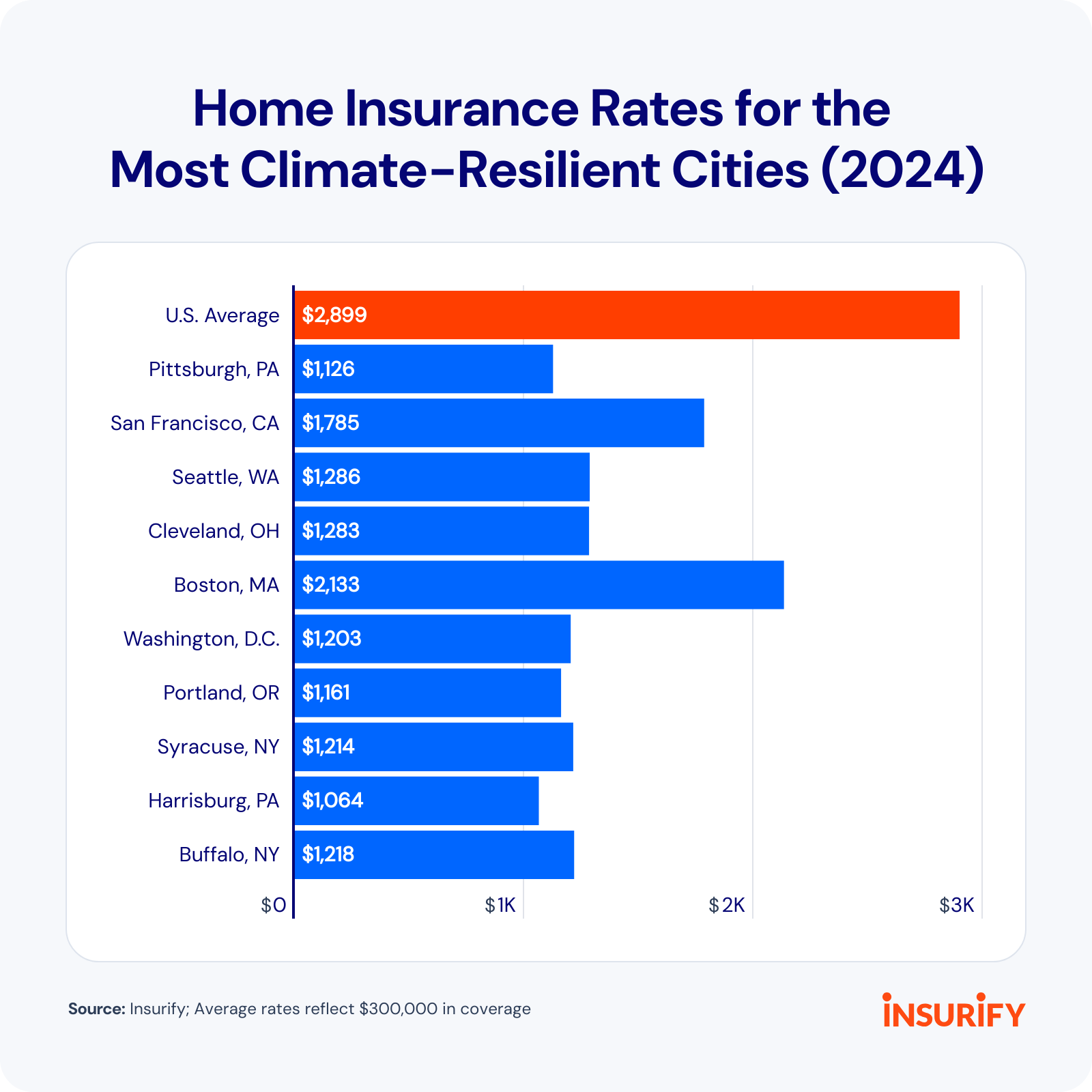
Interestingly, some insurance companies are beginning to offer discounts to homeowners who invest in climate-resilient features, recognizing that these upgrades reduce the risk of damage and claims. It’s worth checking with your insurance provider to see if they offer any such discounts.
- Home Equity Loans/Lines of Credit: Variable rates
- Energy-Efficient Mortgages (EEMs): Favorable terms for efficient homes
- Federal Tax Credits: Available for various upgrades
- State/Local Rebates: Vary by location
- Specialized Climate Resilience Loans: Emerging options
No comments yet. Be the first to share your thoughts!