

Backyard pergola cost constraints
Most homeowners spend between $2,100 and $6,400 to install a backyard pergola, with the national average landing around $4,255 for a standard 100-square-foot structure Angi. This price range typically covers both materials and professional installation, though costs can swing significantly higher for custom designs or premium materials.
The final price depends heavily on three factors: size, material, and labor. A simple 10x10 wooden pergola might cost as little as $1,500 if you DIY, while a 12x16 aluminum or vinyl unit with a motorized louvered roof can easily exceed $10,000. Labor usually accounts for 30-50% of the total cost, especially if the site requires grading or permits.
Use the calculator below to estimate your specific project cost based on size and material choice.
Backyard pergola cost tradeoffs
The price you pay for a backyard pergola depends less on the final look and more on the materials, size, and labor required to build it. Most homeowners spend between $2,100 and $6,435 for a standard 100-square-foot structure, but those numbers can shift dramatically based on your choices. Understanding these tradeoffs helps you avoid surprise quotes and ensures you get the durability you need without overpaying for features you won’t use.
Material choice is the single biggest factor in your budget. Pressure-treated pine is the most affordable option, typically ranging from $15 to $35 per square foot for materials alone. It requires annual staining or sealing to prevent rot, which adds to long-term maintenance costs. Cedar, while more expensive at $25 to $45 per square foot, offers natural resistance to insects and decay, making it a popular middle-ground choice for homeowners who want better longevity without the premium price of hardwoods. Vinyl and aluminum fall on the higher end of the mid-range, costing $30 to $60 per square foot. These materials require almost no maintenance but offer less natural insulation and can look less authentic than wood.
Size and complexity also drive costs significantly. A simple 10x10 pergola with basic beams and posts is straightforward to build and install. Adding features like integrated lighting, ceiling fans, retractable canopies, or intricate lattice work increases both material and labor costs. Motorized systems are a significant upgrade, often pushing total project costs from the thousands into the tens of thousands, as seen in premium custom installations that can exceed $25,000. For most standard residential projects, sticking to a fixed roof design with basic lighting keeps costs manageable.
Labor costs typically account for 30% to 50% of the total project cost. If you hire a professional contractor, you are paying for expertise, permits, and warranty protection. DIY projects can save you thousands in labor but require significant time, tools, and carpentry skills. Mistakes in framing or footings can lead to structural issues, so it is important to honestly assess your skill level before deciding to build it yourself. Always check local building codes, as some municipalities require permits and inspections for permanent structures, which adds to the initial cost.
Pergola Cost Comparison by Material
| Material Type | Avg. Cost per Sq. Ft. | Durability | Maintenance Level | Best For |
|---|---|---|---|---|
| Pressure-Treated Pine | $15 - $35 | Moderate | High (Annual sealing) | Tight budgets, DIY projects |
| Cedar | $25 - $45 | High | Moderate (Every 2-3 years) | Natural look, insect resistance |
| Redwood | $40 - $60 | Very High | Low | Premium aesthetics, longevity |
| Vinyl / PVC | $30 - $60 | Very High | Low | Zero maintenance, clean lines |
| Aluminum | $35 - $70 | Very High | Low | Modern designs, durability |
Estimate Your Pergola Cost
Use the calculator below to estimate the total cost for your backyard pergola based on size, material, and labor preferences.
How to choose the right pergola for your budget
Picking the right pergola isn't just about finding the cheapest option; it's about matching your budget to the right materials and size. A $2,000 vinyl kit won't last as long as a $6,000 cedar build, but it might be exactly what you need for a temporary backyard upgrade. Start by defining your square footage, then narrow down your material based on how much maintenance you're willing to do.
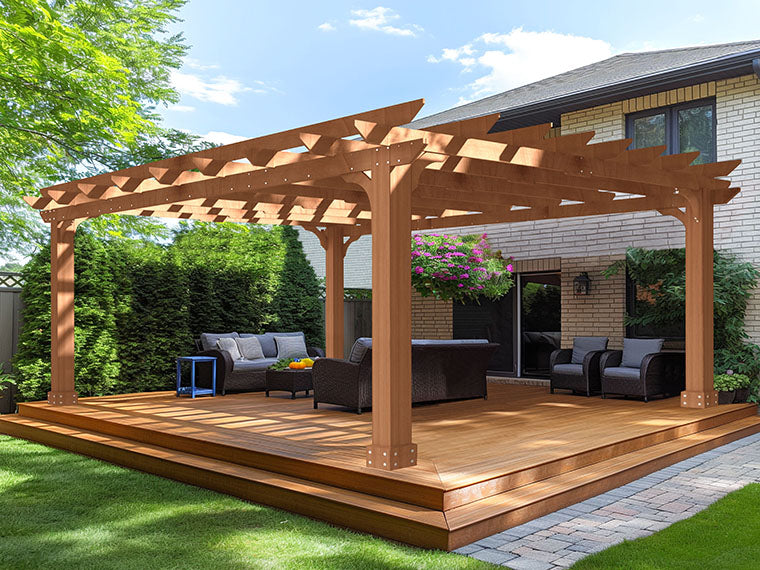
Most homeowners spend around $4,255 on a 100-square-foot structure, but size is the biggest cost driver. A standard 10x10 pergola is the sweet spot for patios, while larger 12x16 or 14x10 designs require more posts and beams. Measure your space carefully before buying kits or hiring contractors, as oversized structures quickly push costs into the $6,000+ range.
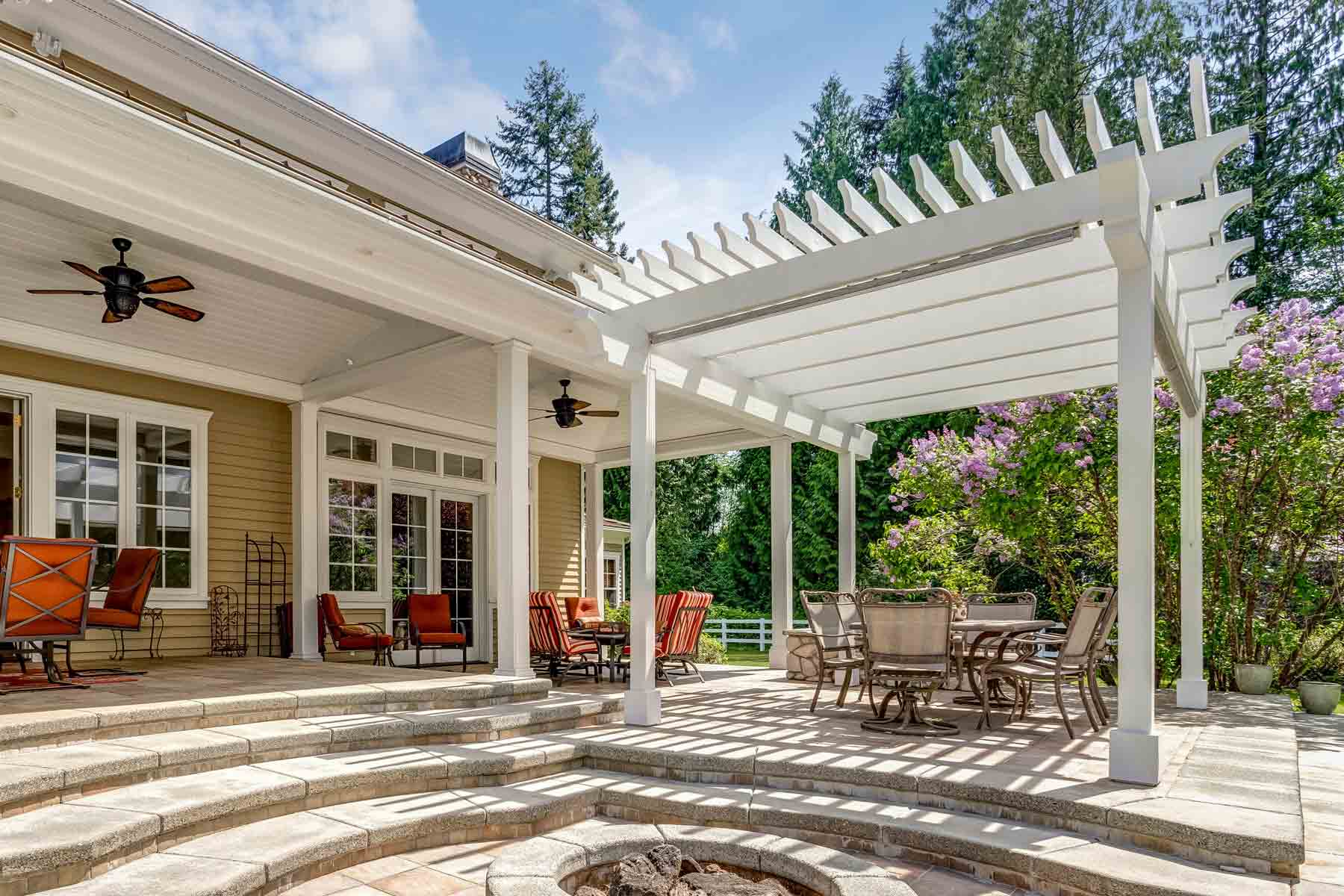
Material choice dictates both upfront cost and long-term upkeep. Vinyl is the most affordable and requires zero painting, but it can look plastic-like. Wood, especially cedar or redwood, offers natural beauty but needs annual sealing. Composite materials cost more upfront but resist rot and insects, making them a strong middle-ground for many homeowners.
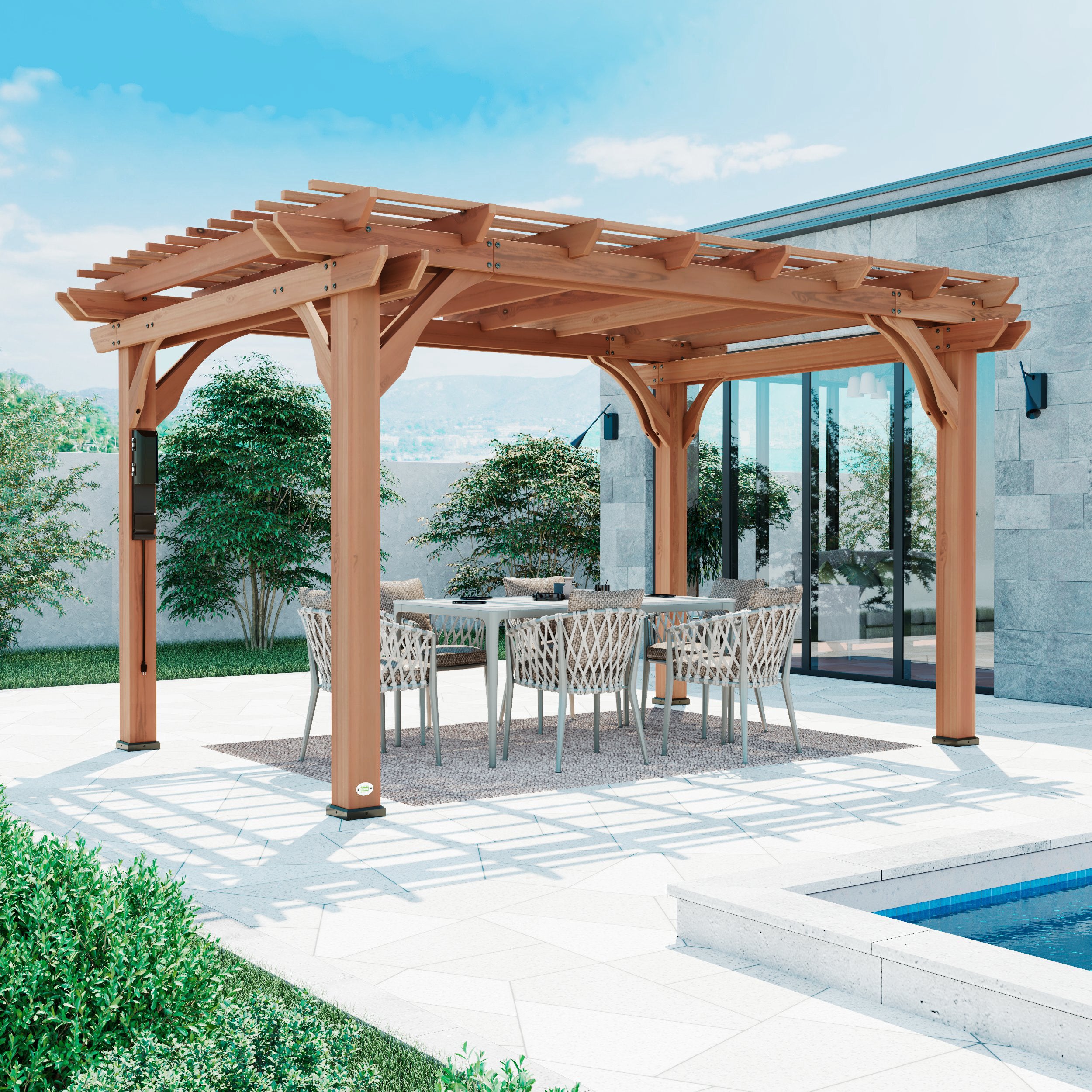
Labor typically adds $1,000 to $2,500 to the final bill. If you have basic carpentry skills, a kit-based DIY project can save you half the total cost. However, attaching a pergola to your house requires proper flashing and structural support to prevent water damage. If you're unsure about anchoring, hiring a pro ensures the structure is safe and up to code.
![How Much Does Building a Pergola Cost? [2025 Data]](/cdn/articles/f2775d4d-5506-46ac-a237-209eff105f1a-7045fe64.jpg)
Base structures are affordable, but add-ons like lighting, fans, or retractable canopies can double the price. Plan these features into your initial budget rather than adding them later. For example, installing LED strip lights during construction is cheaper than retrofitting them after the wood is sealed. Prioritize the features that will actually change how you use the space.
The final price depends on your local labor rates and material availability. Use the calculator above to get a baseline, then get two local quotes for comparison. This approach ensures you're not overpaying for features you don't need while still getting a structure that lasts.
Watch Out for Hidden Pergola Costs
The average pergola cost falls between $2,100 and $6,400, but that baseline rarely reflects your final bill. Many homeowners are blindsided by expenses that never appear in the initial quote. Understanding these hidden costs helps you avoid budget overruns before breaking ground.
The Foundation Trap
Most standard quotes assume a flat, level concrete slab or simple gravel base. If your backyard has uneven terrain, you’ll need grading, retaining walls, or deeper footings to prevent shifting. This earthwork alone can add $500 to $1,500 depending on soil conditions and slope.
Material Upgrades
Cedar and redwood look premium but cost significantly more than pressure-treated pine. Vendors often highlight the cheapest material to win the bid, then charge extra for your preferred wood. Always ask for a line-item breakdown of material costs so you can compare apples to apples.
Permitting and Inspections
City permits are often overlooked until the inspector shows up. Fees vary by municipality but typically range from $50 to $500. Some cities require engineered drawings for structures over a certain height, adding professional design fees to your total.
Labor vs. DIY
Professional installation usually doubles the material cost. While DIY saves money, improper assembly can lead to structural failure or voided warranties. If you choose to build it yourself, ensure you have the right tools and experience with structural joinery.
Backyard pergola cost questions
Here are the most common questions homeowners ask before signing a contract for a pergola. These answers address the hidden costs and material tradeoffs that often surprise people after they start planning.
No comments yet. Be the first to share your thoughts!