

The reality of green building premiums
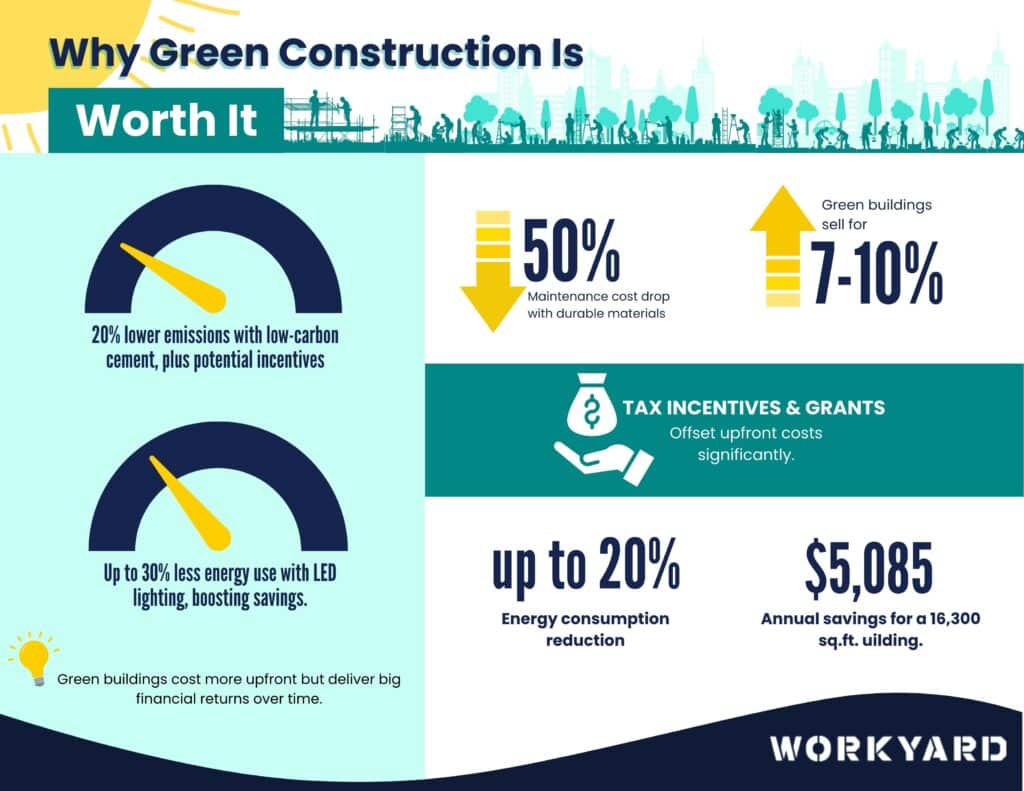
Sustainable building doesn't always carry a premium. While the old assumption was that green projects cost more upfront, that gap is closing. The World Green Building Council found that once you factor in energy and water savings, these buildings often cost the same as or less than standard construction over their lifespan.
The Business Case for Green Building, a review by the World Green Building Council, shows that green buildings often demonstrate increased asset values and reduced operating costs. Constructing-sustainable-future.com points out a crucial shift: sustainability and cost aren’t inherently linked. While some early adopters faced premium costs, increased demand and innovation are driving prices down, and the long-term financial benefits are becoming increasingly clear.
The difference in cost is shrinking, and frequently, those initial investments are offset by savings over the building’s lifespan. This isn't to say there are no additional costs, but the narrative of unavoidable expense is outdated. We’re seeing a move towards a more holistic understanding of value, where environmental and social benefits are weighed alongside traditional financial metrics. The initial premium, when it exists, is often a matter of perception and specific project choices.
Comparing material costs
Reclaimed oak flooring is roughly $8 to $12 per square foot. While new oak is cheaper at $5 to $8, it usually needs more sanding and sealing on-site. Reclaimed wood often arrives with a patina that cuts down on labor hours.
Bamboo, a rapidly renewable resource, typically ranges from $6-$10 per square foot for flooring, comparable to many conventional hardwood options. Recycled steel is often competitively priced with virgin steel, currently around $0.80-$1.20 per pound, depending on the alloy and supplier. Green concrete, incorporating recycled aggregates or supplementary cementitious materials, generally costs between $100-$150 per cubic yard – slightly higher than traditional concrete at $90-$130 per cubic yard, but the performance benefits can justify the price.
Sustainable insulation options, such as sheep’s wool or recycled denim, fall in the $1.50-$3.00 per square foot range, similar to high-quality fiberglass or spray foam. Hempcrete, a bio-composite material, is gaining traction, but currently averages $4-$6 per cubic foot, making it more expensive than conventional concrete block, but offering superior thermal performance. Material prices are always subject to market fluctuations, so getting quotes from multiple suppliers is always advisable.
These prices are averages. Your actual costs depend on where you source the materials and the local labor market. A cheap material that needs constant repair is rarely a bargain.
Sustainable Building Materials Cost & Performance Comparison - 2026 Estimates
| Material | Initial Cost | Lifecycle Cost | Environmental Impact | Durability | Availability |
|---|---|---|---|---|---|
| Conventional Concrete | Moderate | Moderate to High | High | High | Widespread |
| Green Concrete (with supplementary cementitious materials) | Higher | Moderate | Lower | Comparable to Conventional | Increasing |
| Steel | Moderate to High | Moderate | High | High | Widespread |
| Recycled Steel | Comparable to Steel | Moderate | Significantly Lower | Comparable to Steel | Moderate, regionally dependent |
| Traditional Lumber | Moderate | Moderate | Moderate | Moderate | Widespread |
| Reclaimed Lumber | Higher | Low to Moderate | Very Low | Variable, often High | Limited, requires sourcing |
| Bamboo | Moderate | Moderate | Low | Moderate to High (treated) | Growing, regionally limited |
| Cross-Laminated Timber (CLT) | High | Moderate | Lower | Moderate | Increasing |
Qualitative comparison based on the article research brief. Confirm current product details in the official docs before making implementation choices.
Labor and expertise costs
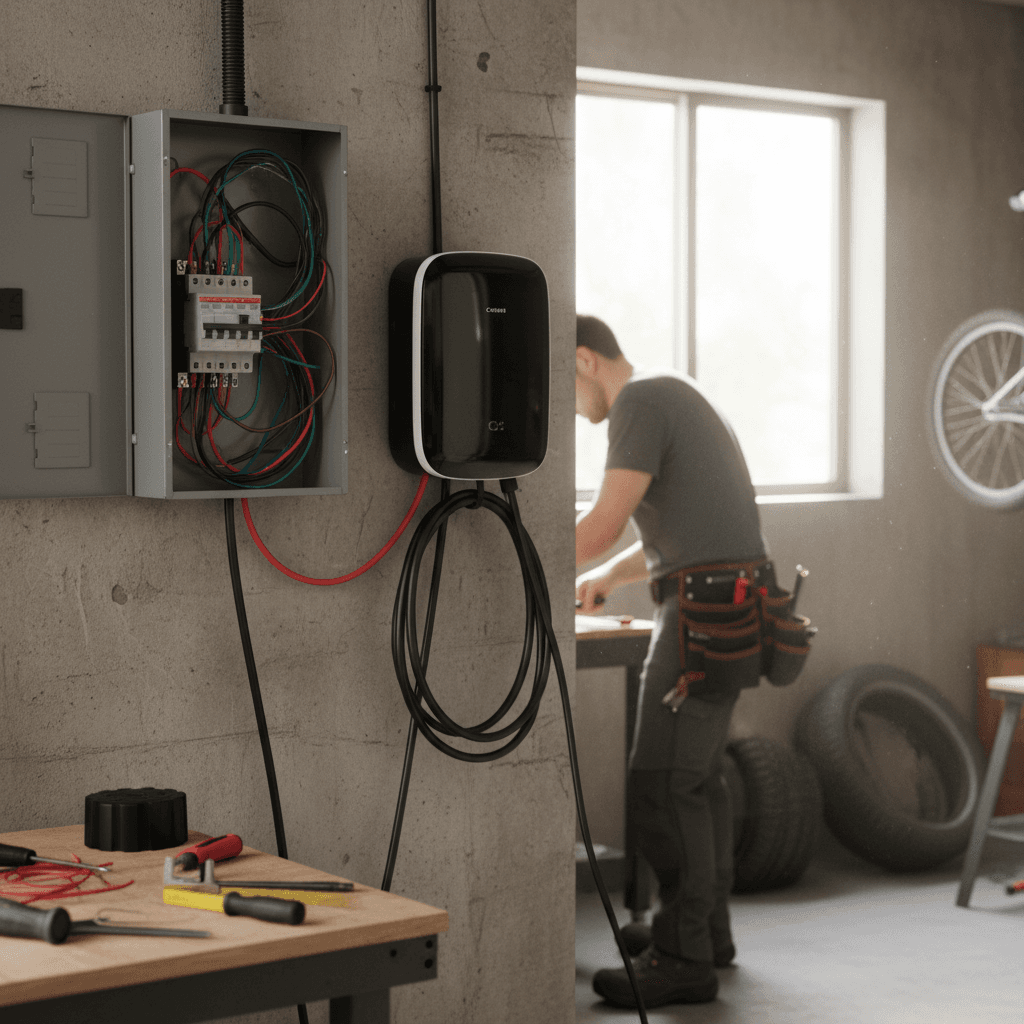
Sustainable building often requires specialized labor, and that can add to the budget. Fewer contractors have extensive experience with materials like hempcrete or green roofs, creating a potential premium for their services. Finding qualified installers is becoming easier, but the demand still outstrips supply in many areas.
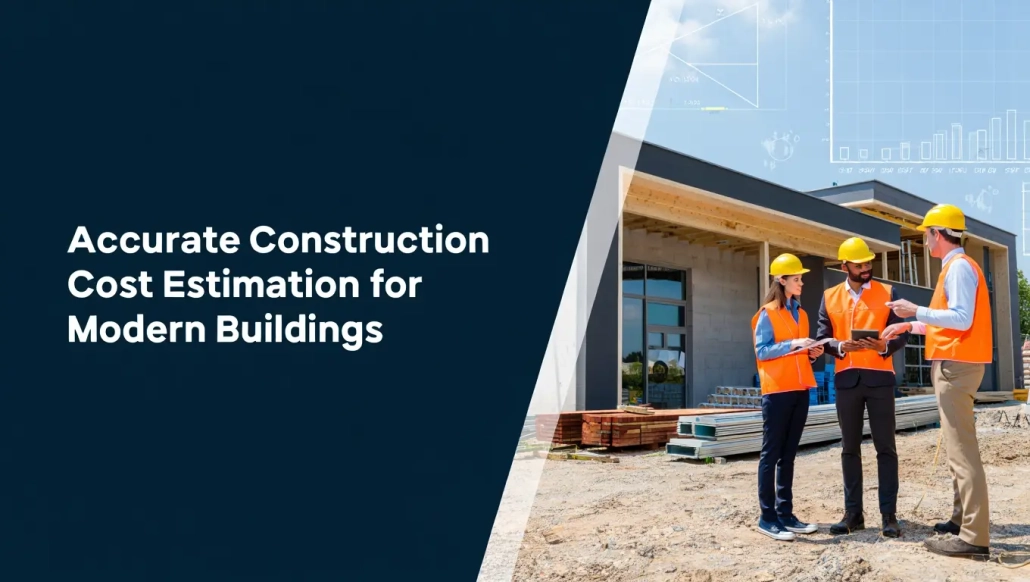
Green building projects frequently necessitate more detailed planning and coordination. Building Information Modeling (BIM) is often used to optimize energy performance and material usage, and that requires skilled professionals. Design fees from architects specializing in sustainable design can also be higher, reflecting their expertise and the added complexity of the project.
However, investing in experienced professionals can prevent costly mistakes. A well-designed green building will minimize energy consumption and water waste, leading to long-term savings. A skilled contractor will ensure proper installation of sustainable materials, maximizing their performance and durability.
Incentives & Rebates: Lowering the Burden
Fortunately, a growing number of incentives are available to offset the costs of green building. The federal government offers tax credits for energy-efficient improvements, such as solar panels and energy-efficient windows. These credits can significantly reduce the overall project cost.
Many states and local governments also offer rebates and tax incentives for green building practices. For example, California's Self-Generation Incentive Program (SGIP) provides rebates for energy storage systems, while New York State offers incentives for high-performance buildings. Utility companies often have programs to encourage energy conservation, offering rebates for efficient appliances and building upgrades.
Specific programs vary widely by location and are subject to change. As of late 2026, the Database of State Incentives for Renewables & Efficiency (DSIRE) is an excellent resource for finding incentives in your area. Checking with your local building department and utility company is also crucial. Don't leave money on the table – thoroughly research available incentives before starting your project.
Here’s a quick checklist to help you explore available incentives:
- Search the DSIRE database for state-specific tax credits
- Contact your state energy office
- Inquire with your local building department
- Explore utility company programs
- Consult with a green building consultant
Long-term savings and lifecycle value
The true value of green building is revealed when you consider the lifecycle costs. While initial investments might be slightly higher, the long-term savings can be substantial. Lower energy bills are a primary driver of these savings. A well-insulated, energy-efficient building requires less heating and cooling, reducing monthly operating expenses.
Reduced maintenance costs are another benefit. Durable, sustainable materials often require less frequent repairs and replacements. For example, a metal roof has a much longer lifespan than an asphalt shingle roof, reducing the need for costly replacements. Improved indoor air quality also contributes to long-term savings by reducing healthcare costs and increasing productivity.
Features like solar panels provide a predictable source of clean energy, shielding you from fluctuating electricity prices. Green roofs reduce stormwater runoff, lowering utility bills and minimizing the risk of flooding. The World Green Building Council’s research consistently demonstrates that green buildings have higher resale values and attract tenants willing to pay a premium.
A thorough lifecycle cost analysis (LCCA) should be a part of any green building project. This analysis considers all costs associated with the building over its entire lifespan, including initial construction, energy consumption, maintenance, and eventual demolition. It provides a clear picture of the long-term financial benefits of sustainable design.
Regional Cost Variations
Building material costs and labor rates vary significantly across the country. A 'national average' can be misleading. In California, for example, stricter building codes and higher demand for sustainable materials often translate to higher upfront costs. However, the state also offers generous incentives and rebates to offset these costs.
Texas, with its abundance of natural resources, often has lower material costs, but labor rates can fluctuate depending on the region. The Midwest generally has lower construction costs overall, but access to certain sustainable materials might be limited. The Northeast, with its older building stock, often requires more complex renovations, which can increase costs.
Transportation costs also play a significant role. Materials sourced from distant locations will have higher shipping costs. Prioritizing locally sourced materials can reduce both costs and environmental impact. It’s essential to get quotes from local suppliers and contractors to get an accurate estimate of project costs in your specific area.
Understanding these regional variations is crucial for accurate budget planning. A project that's affordable in one state might be prohibitively expensive in another. Don't rely on generic cost estimates – tailor your budget to your specific location.
No comments yet. Be the first to share your thoughts!