
Start with national averages
The national average for building a new single-family home sits between $150 and $200 per square foot. For a standard 2,500-square-foot home, this establishes a baseline budget of roughly $375,000 to $500,000. This range covers foundation to finish, excluding land costs. Use this benchmark to gauge financial feasibility before drawing blueprints.
Check recent building permits and local contractor quotes in your specific zip code. National averages provide context, but local market conditions dictate your actual cash flow needs.
Multiply your planned home size by the local average cost per square foot. This gives you a preliminary budget ceiling before you commit to detailed architectural plans.

Factor in terrain challenges, soil conditions, and utility connections. A steep lot or remote location can add significant costs to the baseline estimate.
Break down the cost by phase
Splitting the budget into distinct phases clarifies cash flow timing. This prevents shortfalls and keeps the project moving without expensive delays.
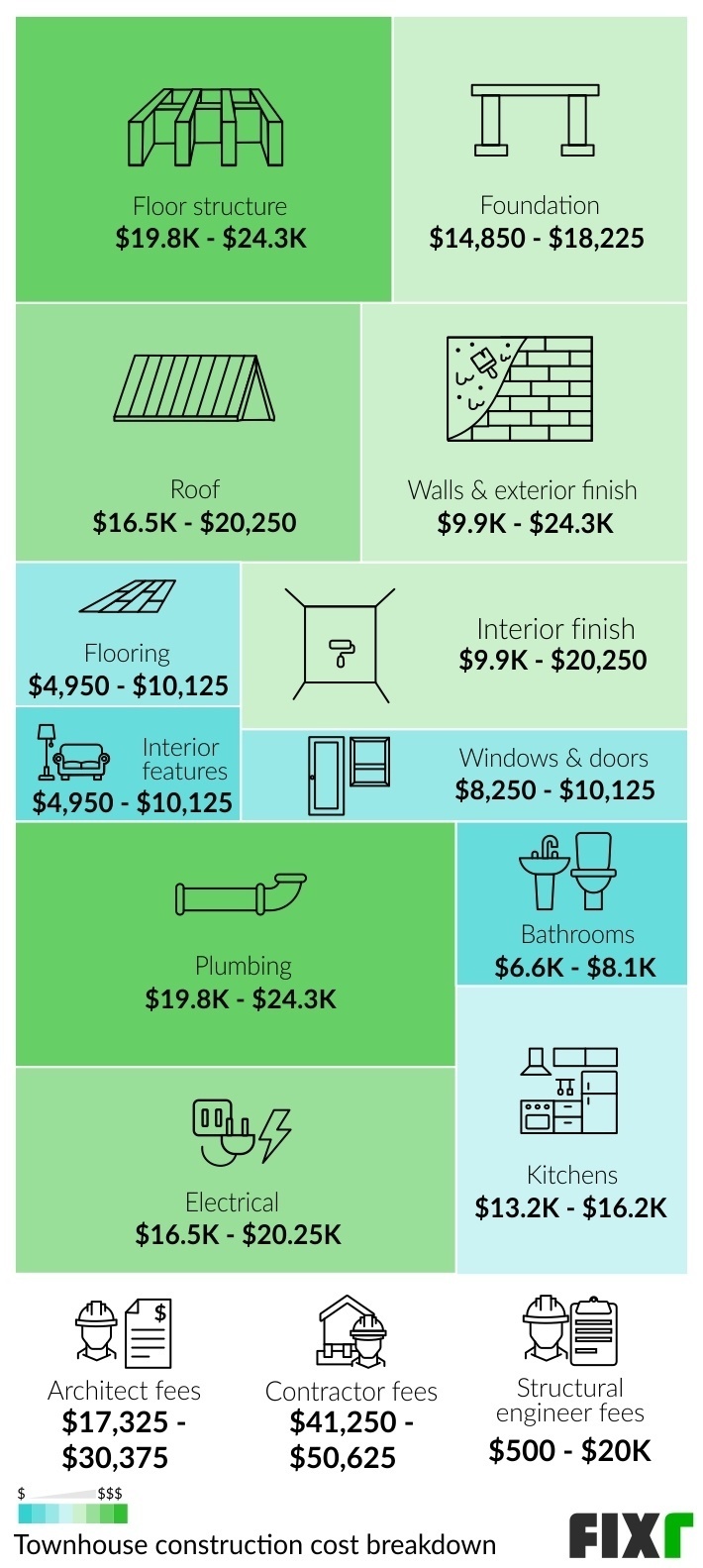
Foundation and site work
Site preparation, excavation, and footings are non-negotiable costs that vary based on soil and slope. This phase pays for structural stability. Unexpected rock or drainage issues often hit the budget here first.
Framing and structural components
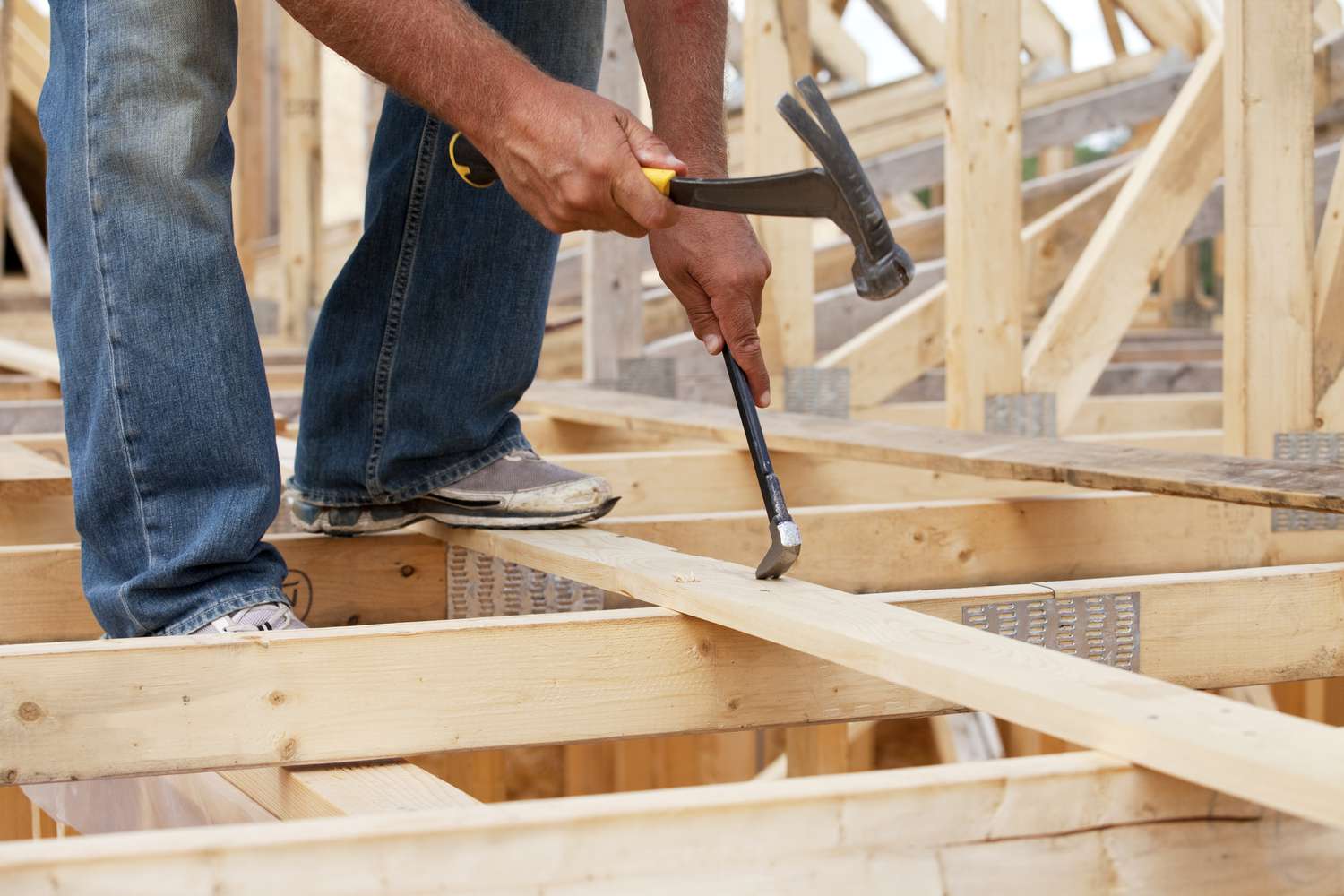
Framing is typically the largest material line item, requiring vast amounts of lumber or steel. It includes roof trusses and sheathing, which protect the interior. Labor costs spike as carpenters, roofers, and window installers work in tight sequence.
Mechanical, electrical, and plumbing
Known as the rough-in stage, this phase runs pipes, wires, and ductwork through open walls. Materials are expensive, but labor intensity is high due to strict code requirements. Errors here are costly to fix once drywall is installed.
Finishes and trim
This phase includes drywall, painting, flooring, cabinetry, and fixtures. While per-unit costs for items like granite or hardwood can be high, this phase consumes the most discretionary budget. It is also the longest phase, often lasting months, which means labor costs accumulate long after the structure is complete.
Calculate your specific estimate
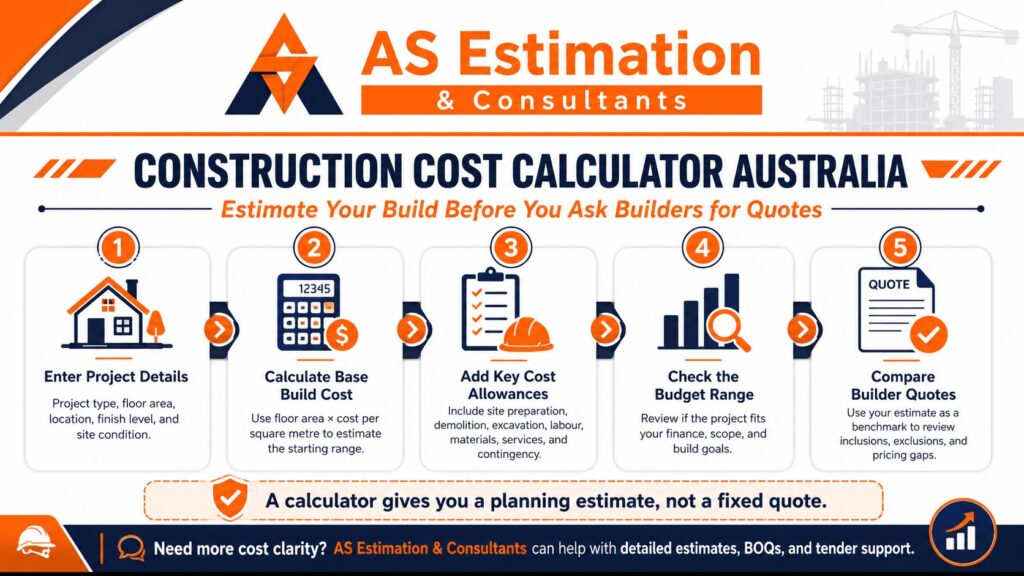
Move from general data to specific line items. This process involves breaking down the build into measurable components and adjusting for your local market.
1. Define the square footage and layout
Measure the total heated square footage, including all floors and finished basements. Procore notes that professional estimators begin by reviewing the bid package to understand the scope before applying costs. Include garages, porches, and decks if they are part of the structural build. A complex roofline or multiple stories increases labor costs compared to a simple rectangular footprint.
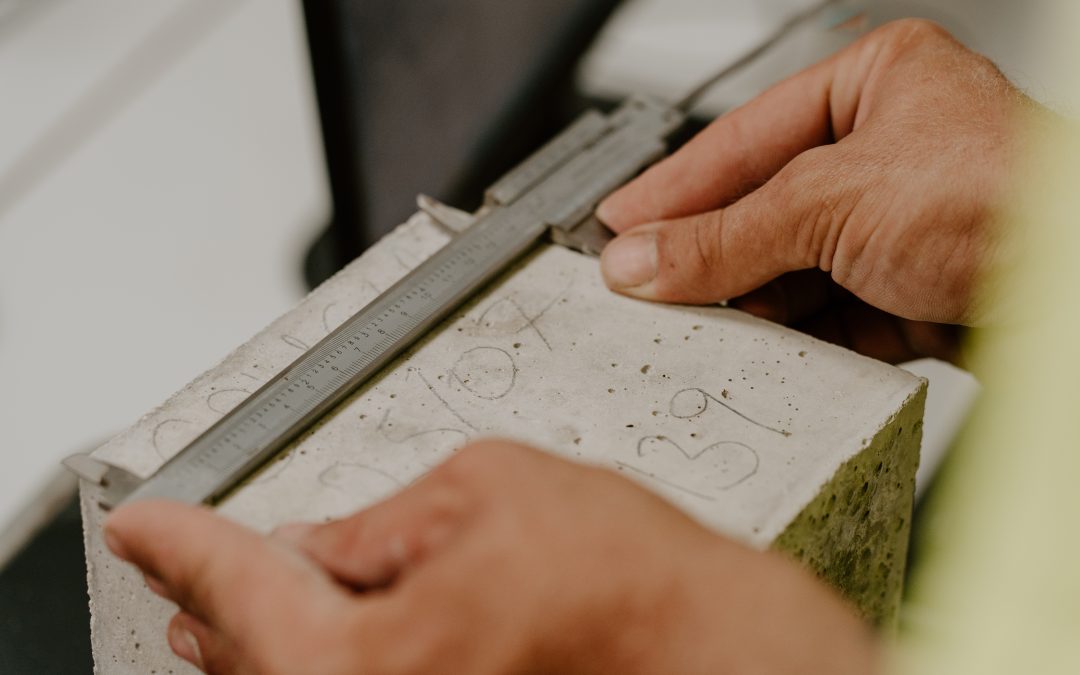
List every room and measure length and width. Multiply to get the area for each space. Sum these areas to get your total square footage. This is the base number for your initial calculation.
Identify features that drive up labor. Multi-story builds require more scaffolding and crane time. Complex roof pitches or custom foundations (like walk-out basements) add significant material and engineering costs. Apply a complexity multiplier to your base square footage.
Decide on the quality of materials. A builder-grade home uses standard vinyl and laminate, while a custom build might include hardwood, stone, and smart home integration. Research local costs for these specific finishes. Higher-end materials can double the cost per square foot for interiors.
National averages often miss local inflation. Check with local suppliers for current lumber, concrete, and drywall prices. Labor rates vary wildly by region; urban areas typically cost more than rural ones. Use these local figures to replace the national average in your calculation.
2. Account for soft costs and permits
Your hard construction costs are only half the equation. Soft costs include architectural fees, engineering studies, permits, and insurance. These typically add 10-20% to your total budget. Check with your local building department for permit fees, which are often calculated as a percentage of the total construction value.
3. Add a contingency fund
Construction projects rarely go exactly to plan. Unforeseen site conditions, material delays, and design changes are common. Always add a contingency fund of 10-15% to your final estimate. This buffer protects you from unexpected overages and keeps the project moving forward.
4. Review and refine
Once you have your numbers, review them against local comparable builds. If your estimate is significantly lower than what others are spending, you may have missed a cost component. If it's higher, look for areas where you can simplify the design or finish levels.
Avoid common construction cost estimation errors
Even experienced builders miss details that inflate your final bill. A small oversight in the planning phase can turn a manageable budget into a financial crisis.
Underestimating soft costs
Many owners focus solely on bricks and mortar, forgetting that permits, architectural fees, and inspections add up quickly. These "soft costs" typically represent 10-20% of your total project budget. Ignoring them leaves you with less money for the actual build, forcing difficult compromises later.
Ignoring site-specific conditions
Soil stability, drainage issues, and unexpected rock formations can derail even the best-laid plans. If you skip a thorough site assessment, you risk surprise charges for excavation or foundation reinforcement. Always budget for geotechnical surveys to uncover hidden ground problems early.
Skipping a contingency fund
Unforeseen issues are not if, but when. Without a financial buffer, any minor delay or material shortage becomes a major problem. We recommend including a 10-20% contingency fund in your initial construction cost estimate to cover these inevitable surprises without stalling progress.
Verify that all permit fees, design charges, and legal costs are itemized in your initial budget spreadsheet. Missing these line items is the most common reason for early budget shortfalls.
Conduct a professional soil test and topographic survey. This step identifies drainage or stability issues that could require expensive foundation modifications before you break ground.
Ring-fence 10-20% of your total construction cost estimate in a separate account. This fund should only be accessed for genuine unforeseen issues, not for upgrading finishes or changing designs.
Tools to track your budget
You cannot manage what you do not measure. Construction Cost estimation requires a central source of truth that updates in real time. Relying on static spreadsheets often leads to version control errors and missed change orders. Use a dedicated workflow to capture every dollar spent against your initial plan.
Track costs with digital estimating software
Cloud-based platforms allow you to input line items, attach vendor quotes, and monitor variances instantly. These tools replace fragmented email chains with a single dashboard. You can compare estimated costs against actual invoices to catch overruns early. Look for software that supports itemized breakdowns by material, labor, and equipment.
Organize plans with physical planning tools
Digital records need physical backups. Keep a dedicated binder for all change orders, receipts, and revised blueprints. Use a large-format clipboard for on-site notes so you can sketch revisions directly over the plans. A simple binder system ensures that when the contractor asks for proof of payment, you have the document ready.
Create a master spreadsheet or open your estimating software. List every category from the NAHB Construction Cost Survey structure: land, permits, framing, electrical, and finishes. This baseline is your anchor for all future tracking.
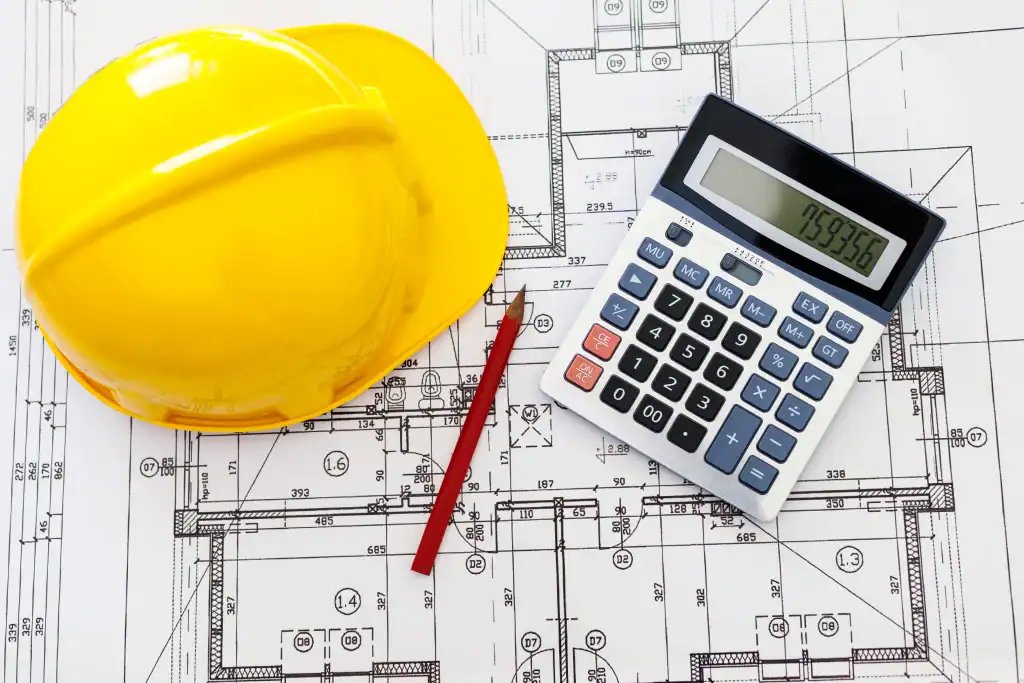
As invoices arrive, enter them into your log within twenty-four hours. Do not wait for the end of the week. Immediate entry prevents the "mystery deficit" that often surprises homeowners near project completion.
Compare your logged expenses against the original budget. If a category like "landscaping" is 20% over, adjust spending in a lower-risk category like "fixtures" to balance the total. This keeps your overall Construction Cost estimate realistic.


As an Amazon Associate, we may earn from qualifying purchases.
-
Set up a central budget log (digital or physical)
-
Define every cost category in your estimate
-
Establish a weekly review routine for variances
-
Archive all invoices and change orders immediately
No comments yet. Be the first to share your thoughts!