

National construction cost averages
The national average construction cost per square foot for a new home in 2026 sits between $180 and $350. This range reflects current volatility in material pricing and labor availability. For a standard 2,500-square-foot single-family home, the total project cost typically falls between $450,000 and $875,000. These figures represent hard construction costs and generally exclude land acquisition, architectural fees, or permit expenses.
Construction costs vary significantly by region. Metropolitan areas with high labor demand and strict building codes often push prices toward the upper end of the spectrum. Rural areas with lower land values and less competitive labor markets may see costs closer to the baseline. The NAHB Construction Cost Survey provides detailed percentage breakdowns for typical homes, helping builders and homeowners understand where the bulk of the budget is allocated.
Understanding these averages is essential for realistic financial planning. A $468,000 budget, for example, might cover a 2,800-square-foot home in a moderate-cost region, but would likely result in a smaller footprint or lower-end finishes in a high-cost metro area. The interactive tool below allows you to estimate your specific project costs based on your location and desired square footage.
Material and labor cost breakdown
Understanding construction cost requires looking past the final price tag to see how the budget is split. For a typical new home, the total expense divides into two main buckets: materials and labor. These components fluctuate based on regional markets, material choices, and the complexity of the design, but the general ratio remains a reliable planning baseline.
Labor: The largest share
Labor typically accounts for 40% to 50% of the total construction cost. This figure covers the wages for skilled tradespeople, including framers, electricians, plumbers, and finish carpenters. Because construction is labor-intensive, even small changes in the project timeline can significantly impact this portion of the budget. High demand for skilled workers in certain regions can drive these rates higher, making labor costs more volatile than material costs in some markets.

Materials: The physical foundation
Materials generally make up the remaining 50% to 60% of the budget. This category includes everything from the foundation concrete and lumber framing to roofing, windows, and interior finishes. While material prices are influenced by global supply chains and commodity markets, they are often more predictable than labor rates. Upgrading from standard vinyl windows to custom wood or fiberglass models will shift more money into this category, potentially reducing the relative share of labor in the total cost.
Interactive Construction Cost Calculator
Adjust the total square footage and your local labor rate to see how these variables affect the final breakdown between materials and labor.
Regional construction cost differences
National averages often mask the reality of local building markets. Geography dictates labor availability, material shipping distances, and regulatory fees, creating a wide spread in final prices. A home that costs $150 per square foot in one state might cost $300 in another.
The table below breaks down average construction costs per square foot across four distinct US regions. These figures represent typical single-family home builds and serve as a baseline for your location.
| Region | Low End ($/sq ft) | High End ($/sq ft) | Market Context |
|---|---|---|---|
| South | 120 | 180 | Lower labor costs; high competition among builders. |
| Midwest | 130 | 190 | Moderate material shipping; stable labor market. |
| Northeast | 180 | 280 | High labor rates; strict building codes and permitting. |
| West Coast | 220 | 350+ | Premium land logistics; seismic and energy standards. |
These ranges shift based on specific city dynamics. Urban centers within lower-cost regions may still charge premium rates due to zoning restrictions and higher land values. Conversely, rural areas in high-cost regions might offer lower labor rates but face higher material delivery fees.
Input your target square footage and select your specific region in the calculator below to see a more realistic budget estimate for your project.
Hidden Costs Often Missed in Estimates
Basic per-square-foot quotes for construction cost rarely tell the whole story. A $200 per sq. ft. estimate might look straightforward on paper, but it usually covers only the physical structure—foundation, framing, and standard finishes. When you actually break ground, the bill often jumps by 15% to 25% due to expenses that don’t fit neatly into a square footage calculation.
Permits, impact fees, and utility connections are the most common budget drainers. Local municipalities charge for building permits, plan reviews, and sometimes impact fees for schools or roads. These can easily add $5,000 to $15,000 to your total. Utility ties—bringing water, sewer, electric, and gas to the site—depend heavily on distance from the main lines. If your lot is remote, trenching and meter installation can cost tens of thousands more than a standard suburban hookup.
Other hidden costs include site preparation, landscaping, and temporary utilities during construction. Soil testing, tree removal, and grading are often overlooked until excavation begins. Temporary power, water, and portable toilets add up over a six-month build. If you’re building in a high-wind or seismic zone, engineering upgrades for the foundation or framing may not be included in the base quote. These are not optional extras; they are necessary safeguards that inflate the final price.
To avoid surprises, add a 10% to 20% contingency fund to your initial construction cost estimate. This buffer covers the unexpected—like a rock ledge that requires blasting or a sudden rise in lumber prices. Without it, you’ll likely cut corners elsewhere or halt work while you scramble for more funds. Planning for the unseen is the only way to keep your project on track.
Estimate your specific build cost
Generic averages rarely match your actual budget. A standard 2,000-square-foot home might cost $250,000 in one region and $400,000 in another due to labor rates, material transport, and local permit fees. To get a realistic number, you need to factor in your exact square footage, geographic location, and finish level.
Use the tool below to input your project details. It applies current regional multipliers and finish-level premiums to give you a tailored construction cost estimate. Adjust the sliders to see how upgrading from builder-grade to custom finishes impacts your total budget.
This tool provides a baseline for financial planning. Keep in mind that unexpected site conditions, such as rocky soil or steep slopes, can add 5-10% to your final bill. Use this estimate to guide your conversations with local contractors, who can provide more precise quotes based on specific site plans.
Checklist for accurate budgeting
Before you pour the foundation, run your numbers through a final verification. Construction Cost estimates often drift because of overlooked soft costs or incomplete site data. Use the calculator below to stress-test your total project budget against current market rates.
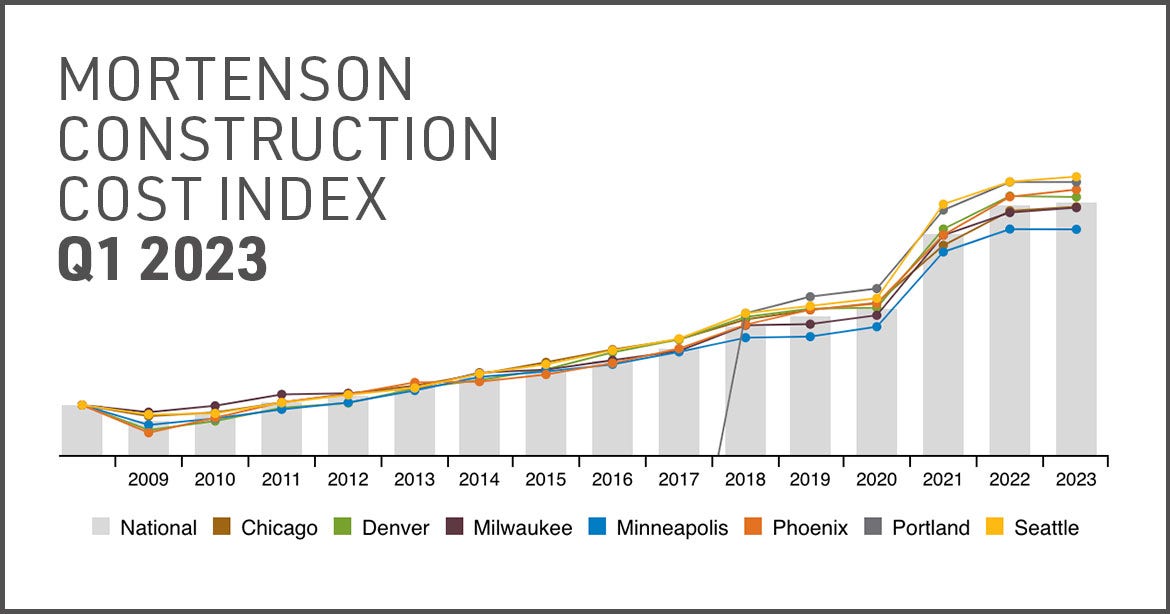
Review these five items to ensure your budget holds up under scrutiny:
- Hard Costs: Verify line items for materials and labor against local supplier quotes, not national averages.
- Soft Costs: Include permits, architectural fees, engineering stamps, and impact fees. These typically add 10–15% to the base build.
- Site Work: Account for excavation, grading, and utility connections. Unforeseen soil conditions can double these costs.
- Contingency: Maintain a 10–20% reserve for change orders and material price spikes.
- Financing: Confirm loan draw schedules align with your construction milestones to avoid cash flow gaps.
A precise budget is not a guess; it is a documented plan. If any line item lacks a current quote, pause and gather estimates before signing contracts.
Common construction cost: what to check next
Budgeting for a new build requires understanding how local markets and square footage impact your total construction cost. While national averages provide a baseline, specific regional pricing and material choices create significant variance in the final price tag.
No comments yet. Be the first to share your thoughts!