

Why accurate cost estimation matters
Construction cost estimation is the financial backbone of every building project. When estimates are precise, contractors win bids with healthy margins. When they are off, even by a small percentage, profit margins vanish and cash flow stalls.
Inaccurate estimates are the leading cause of construction project failure and budget overruns. A single miscalculation in material quantities or labor hours can cascade into change orders, delayed timelines, and strained client relationships. For general contractors and builders, the difference between a profitable project and a loss is often determined in the pre-construction phase.
Material costs fluctuate quarterly, as tracked by industry indices like the Mortenson Construction Cost Index. Labor rates vary by region and trade. Without robust tools, relying on spreadsheets or gut instinct leaves too much room for error. Accurate data allows you to price bids competitively while protecting your bottom line against unexpected price spikes.
Key features for reliable cost analysis
Accurate cost analysis relies on more than just a calculator; it demands software that reflects the dynamic reality of building materials and labor markets. Without up-to-date data, even the most sophisticated estimating tools produce numbers that drift from actual bids, leading to lost jobs or margin erosion.
Material databases and labor rate updates
The foundation of any reliable estimator is a comprehensive, frequently updated material database. This should include current pricing for lumber, concrete, steel, and finishes, sourced from regional suppliers where possible. Labor rates must also be adjustable by trade and location, accounting for local union scales or market shortages.
Software that automates these updates saves hours of manual research. When a supplier changes the price of drywall or a local trade rate shifts, the software should flag these changes so the estimator can adjust the bid immediately rather than discovering the discrepancy after the fact.
Integration capabilities
Seamless integration with other project management and accounting platforms is essential for modern contractors. The best estimating tools export data directly into scheduling tools like Procore or accounting systems like Sage 300 CRE. This eliminates double entry and ensures that the estimated budget flows directly into the project’s financial tracking.
Look for software that offers API connectivity or native plugins for the tools you already use. If the estimator has to manually retype line items from the estimate into the job cost sheet, errors are inevitable. Automation bridges the gap between the bid phase and the build phase, keeping the numbers consistent from start to finish.
Top construction estimating tools compared
Choosing the right software depends on your project scale and workflow. The table below compares four leading options across price, key features, and ideal use cases to help you decide.
| Tool | Price | Key Features | Best For |
|---|---|---|---|
| BuilderTrend | $89/mo | Estimating, scheduling, CRM | General contractors |
| Procore | Custom quote | Full project management, estimating | Large commercial firms |
| Jobber | $49/mo | Mobile-first, quick quotes | Small subcontractors |
| Stack | $199/mo | Digital takeoffs, bid management | Pre-construction teams |
BuilderTrend offers a solid balance of estimating and job management for general contractors. Procore is the industry standard for large commercial projects but requires a custom quote. Jobber is ideal for small subcontractors who need mobile-friendly quick quotes. Stack excels in digital takeoffs for pre-construction teams.
For those looking to estimate material costs for a specific home build, tools like the Dream Home Calculator can provide a quick baseline for budgeting. However, for active project management, dedicated software is essential.


As an Amazon Associate, we may earn from qualifying purchases.
Software for residential builders
Residential construction demands precision on material quantities and labor hours that general commercial tools often overlook. Builders need software that handles the nuance of home-building workflows, from framing takeoffs to finish material lists. The right estimation platform reduces the margin for error when pricing custom homes or speculative builds.
Tools like Buildertrend and CoConstruct specialize in this vertical, offering integrated job costing that ties estimates directly to daily operations. For standalone estimating, ProEst provides robust residential templates that streamline the transition from bid to build. These platforms help contractors manage the complexity of residential projects without the bloat of enterprise-grade commercial software.
The NAHB Construction Cost Survey highlights that material costs fluctuate significantly, making accurate real-time pricing essential. Residential estimators must account for these variances to protect their margins. Software that updates material databases regularly ensures bids remain competitive and profitable.
For builders looking to supplement their digital workflow with physical tools, the following resources and hardware can support on-site calculations and reference checks.


As an Amazon Associate, we may earn from qualifying purchases.
Software for commercial contractors
Large-scale commercial projects demand more than basic spreadsheets. They require tools that handle complex bidding workflows, strict compliance tracking, and intricate subcontractor management. The right software acts as the central nervous system for these operations, ensuring that every dollar spent is accounted for against the original estimate.
When managing a multi-million dollar build, the cost of error is high. Commercial contractors need platforms that integrate real-time data with historical benchmarks. This allows estimators to adjust for material volatility and labor shortages without losing track of the project's financial health. The goal is precision, not just speed.
For contractors looking to deepen their expertise, the following resources provide foundational knowledge on cost estimation methodologies and industry standards.

As an Amazon Associate, we may earn from qualifying purchases.
How to choose the right construction estimating software
Selecting the right estimator requires matching tool capabilities to your specific operational needs. A small residential builder has different priorities than a commercial general contractor managing complex bids. This framework helps you evaluate options based on team size, project type, and budget constraints.

Solo estimators need streamlined interfaces that minimize clicks. Larger teams require robust permission settings and cloud-based sharing to keep bids synchronized. Look for software that supports real-time collaboration to prevent version control issues during tight bidding windows.

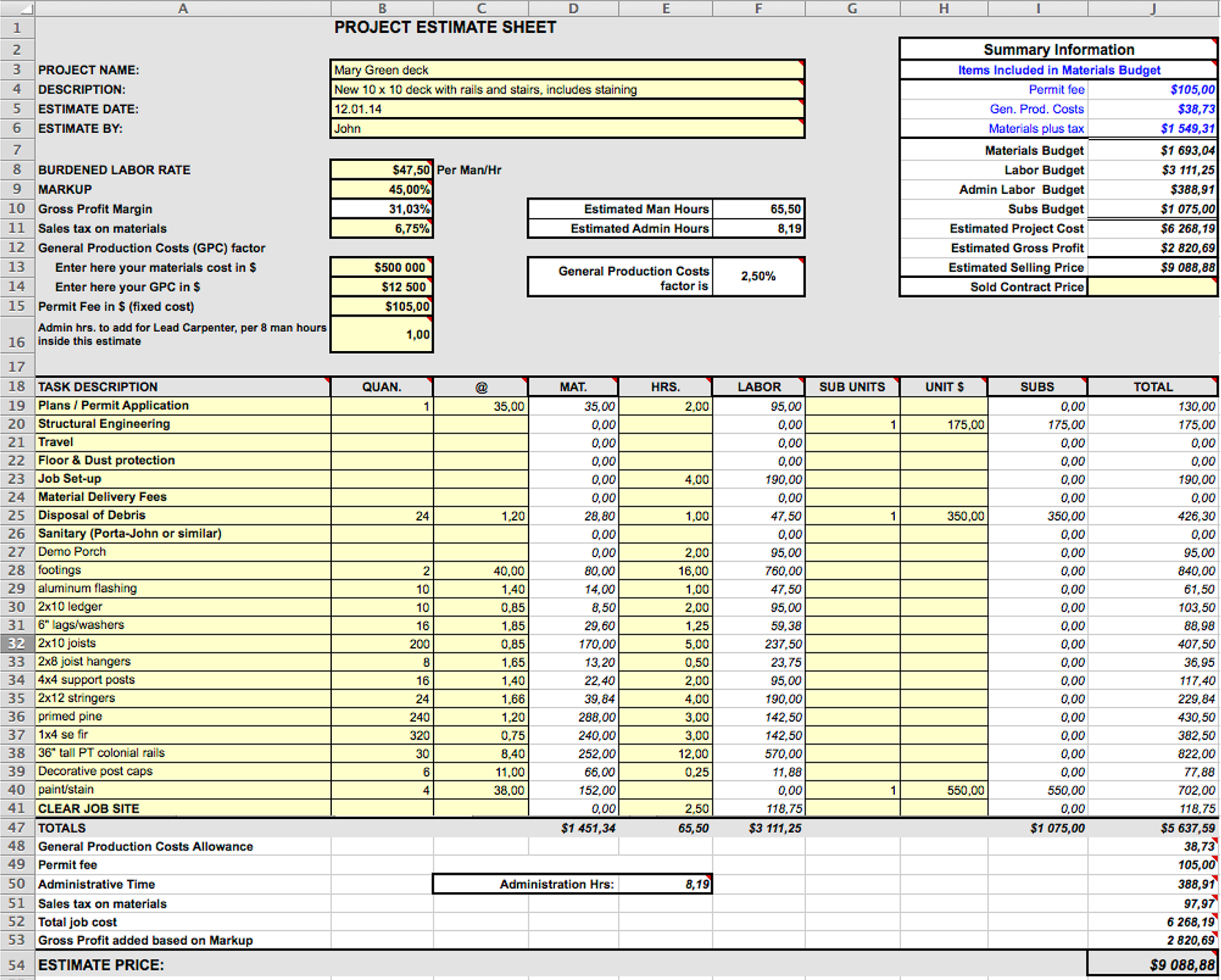
Residential builders often prioritize quick takeoffs and material lists. Commercial contractors need advanced features for unit pricing, labor burden calculations, and subcontractor management. Ensure the software handles the specific line-item granularity your projects demand without forcing workarounds.
Your estimator should integrate with existing accounting or project management platforms. Check if the software supports standard file formats like Excel or CSV for easy data export. Avoid platforms that lock you into proprietary ecosystems that make switching costs prohibitive later.
Request a demo or free trial to gauge usability. Complex software may offer more features but require significant training time. Prioritize tools with accessible customer support and clear documentation to ensure your team can adopt the software quickly.
Use this checklist to streamline your evaluation process.
-
Verify cloud access and offline capabilities
-
Check for automated unit price databases
-
Confirm export options for accounting software
-
Review user reviews for customer support quality
Common Estimation Mistakes to Avoid
Even the most sophisticated construction estimating tools cannot correct for poor input data. Contractors often rely on outdated material costs, assuming prices remain static when supply chain volatility constantly shifts them. If your software doesn’t integrate real-time pricing, you are estimating in a vacuum. Always verify that your chosen tool pulls from current regional databases rather than relying on historical averages.
Labor inefficiencies are another frequent blind spot. Many estimators simply multiply total hours by an hourly rate, ignoring the reality of weather delays, site access issues, and crew turnover. A robust estimation platform should allow you to adjust labor factors based on specific job site conditions. Without this flexibility, your bids will either bleed money or price you out of the market.
Finally, skipping contingency planning is a dangerous shortcut. Unforeseen conditions are not "if" but "when." Effective software should include built-in templates for standard contingency percentages, allowing you to adjust them based on project risk. Treating contingencies as an afterthought is the fastest way to turn a profitable bid into a loss.
No comments yet. Be the first to share your thoughts!