

What is the average wedding ring cost?
The traditional advice to spend two months’ salary on an engagement ring is an outdated marketing myth that no longer reflects how people actually shop. In 2026, the national average for an engagement ring sits around $5,200, according to recent industry surveys, but this figure masks a wide range of realistic spending tiers. Most couples spend between $300 and $2,000, depending on the materials and design choices they prioritize.
Wedding bands follow a different pricing structure entirely. A basic gold band typically costs between $300 and $800, while platinum bands usually range from $500 to $1,500. These prices reflect the weight of the metal and the labor involved in crafting a durable daily-wear piece. Unlike engagement rings, which often feature expensive center stones, wedding bands are priced more predictably based on material weight and finish.
When budgeting for both, it helps to view the engagement ring and wedding band as separate purchases with distinct cost drivers. The engagement ring’s price is heavily influenced by the diamond or gemstone quality, while the wedding band’s cost is driven by metal type and width. Understanding this distinction allows for a more flexible budget that doesn’t rely on arbitrary rules of thumb.
Wedding ring cost under $1,000
The idea that you need to spend months of salary on a ring is a marketing myth, not a rule. In 2026, the average cost of a wedding ring sits comfortably between $300 and $2,000 for most couples. This budget band allows you to buy high-quality materials like sterling silver, gold-filled metals, or small diamond solitaires without going into debt.
At this price point, you are paying for craftsmanship and material purity rather than brand prestige. A basic gold band typically costs between $300 and $800, while platinum bands usually range from $500 to $1,500. If you prefer a minimalist look, sterling silver offers durability and style for under $100. For those who want a touch of sparkle, small diamond solitaires or moissanite stones can be found in this range, often set in gold-filled or sterling silver bands.
Choosing a ring under $1,000 doesn't mean compromising on durability. Gold-filled jewelry, for instance, contains a thick layer of real gold bonded to a base metal, offering the look of solid gold at a fraction of the cost. Sterling silver is another excellent option, requiring only regular polishing to maintain its shine. These materials provide a lasting symbol of commitment without the heavy price tag of high-karat gold or large center stones.


As an Amazon Associate, we may earn from qualifying purchases.
Mid-range picks from $1,000 to $3,000
The sweet spot for most buyers sits between $1,000 and $3,000. In this bracket, you move past basic bands into pieces that offer genuine material value—platinum settings, larger diamonds, or intricate designs that feel substantial without the luxury markup. This is where you get the most visible impact for your money.
We focus on actual market averages rather than arbitrary rules. A ring in this price range typically features a center diamond between 0.5 and 0.75 carats, set in durable metals like 14k or 18k gold or platinum. The goal is durability and daily wearability, not just flash.
Below are three concrete examples that represent the best value in this tier. Each offers a different aesthetic, from classic solitaires to modern two-tone designs, all verified by current market data.


As an Amazon Associate, we may earn from qualifying purchases.
| Metal | Carat Range | Best For |
|---|---|---|
| 14K White Gold | 0.50 - 0.60 | Classic minimalism |
| 18K Rose Gold | 0.55 - 0.70 | Vintage or romantic looks |
| Platinum | 0.60 - 0.80 | Durability and prestige |
Luxury rings over $5,000
Rings in the $5,000 to $10,000+ range shift focus from simple bands to investment-grade stones and heritage craftsmanship. At this price point, buyers typically look for natural diamonds exceeding one carat with high color and clarity grades, or they commission custom designs featuring unique colored gemstones. The cost reflects not just the stone's size, but its rarity, cut precision, and the reputation of the jeweler.
For those seeking maximum carat weight without the premium of natural diamonds, high-quality lab-grown options dominate this tier. A buyer can often secure a 2-3 carat lab-grown diamond with excellent specifications for under $5,000, leaving budget for a more intricate platinum setting. Conversely, natural diamond buyers at this level are usually securing stones with minimal inclusions and near-colorless grades (G-H or better), which command a significant premium due to their scarcity.
Heritage brands and bespoke jewelers also operate in this bracket, where the price includes design exclusivity and hand-finished details. These pieces often feature proprietary settings or historical design elements that distinguish them from mass-produced jewelry. When evaluating these rings, consider the resale value and certification; GIA or AGS reports are standard for natural diamonds over one carat, providing the necessary verification for such a significant purchase.

As an Amazon Associate, we may earn from qualifying purchases.
How to estimate your ring budget
The "two months' salary" rule is a marketing invention from the 1930s, not a financial necessity. For most couples, the national average cost sits around $5,200, according to The Knot's 2024 Jewelry & Engagement survey. This figure reflects what people actually spend, not what they should. When planning your wedding ring cost, start with your total wedding budget rather than an arbitrary percentage of income.
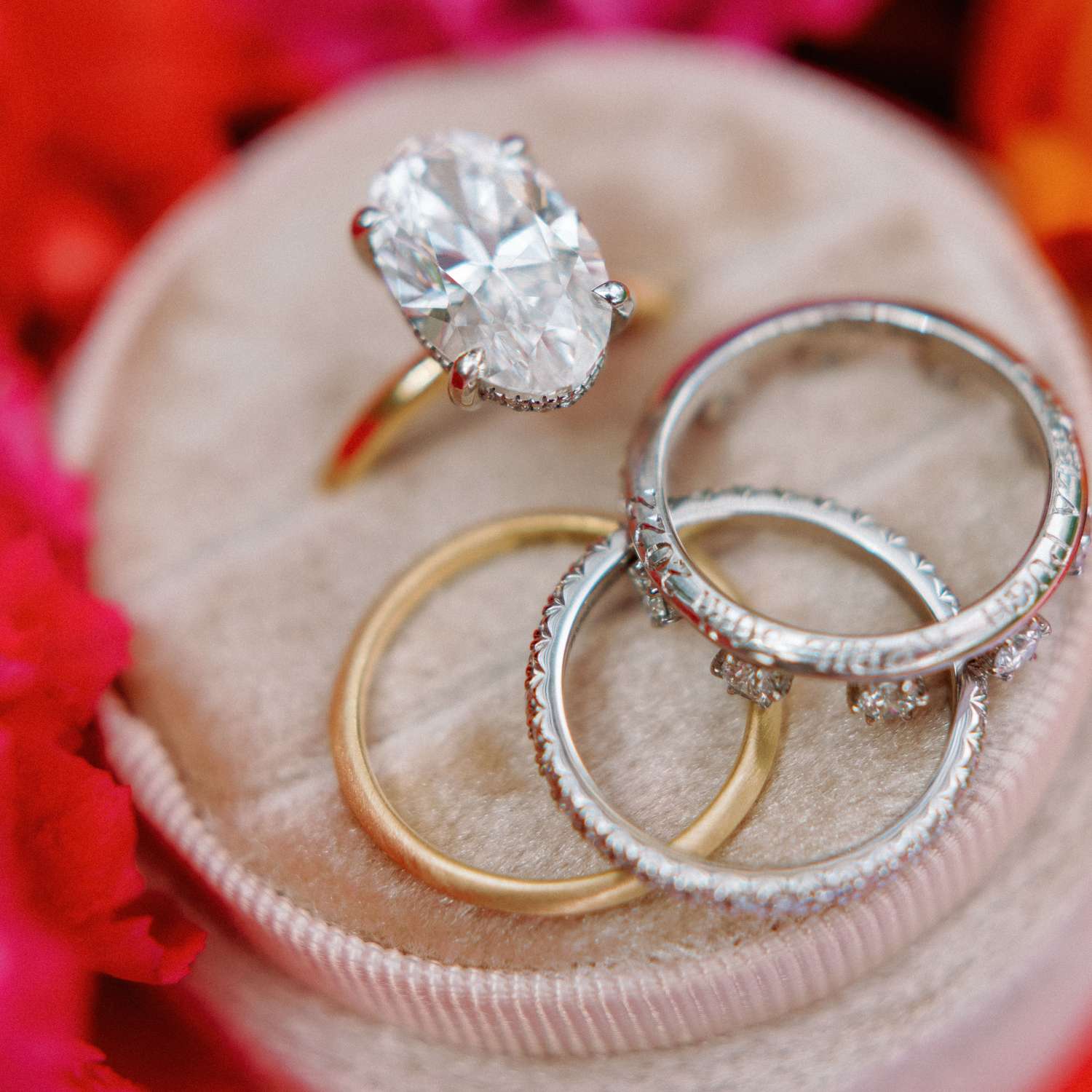
Before looking at rings, determine the maximum amount you can allocate to the entire wedding. If your total budget is $20,000, spending $10,000 on a ring leaves little for the venue or food. A realistic ring budget is often 5-10% of the total wedding cost, depending on your priorities.
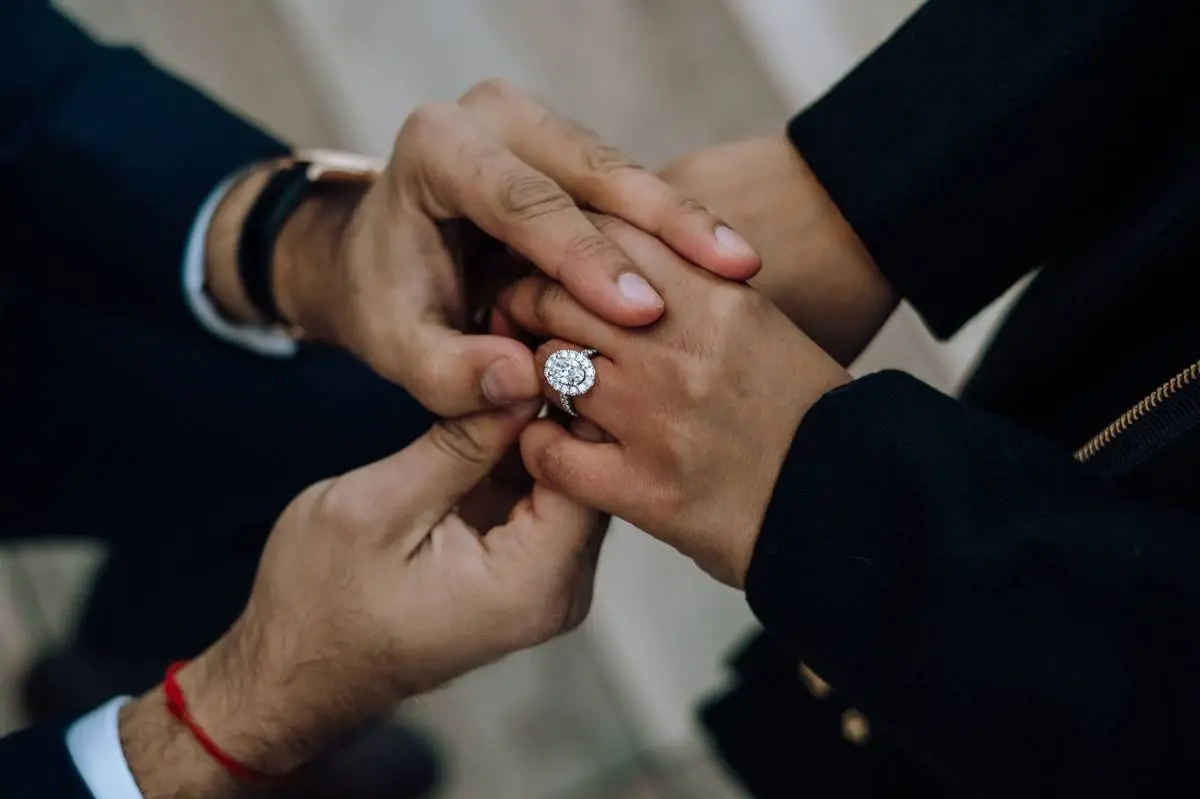
The band material significantly impacts the final price. Platinum is durable but expensive, while 14k gold offers a balance of cost and longevity. Simple bands cost less than intricate designs. Decide on the metal and style early, as this sets the baseline for the rest of the budget. A plain tungsten or titanium band can cost under $200, while a platinum eternity band may exceed $1,500.
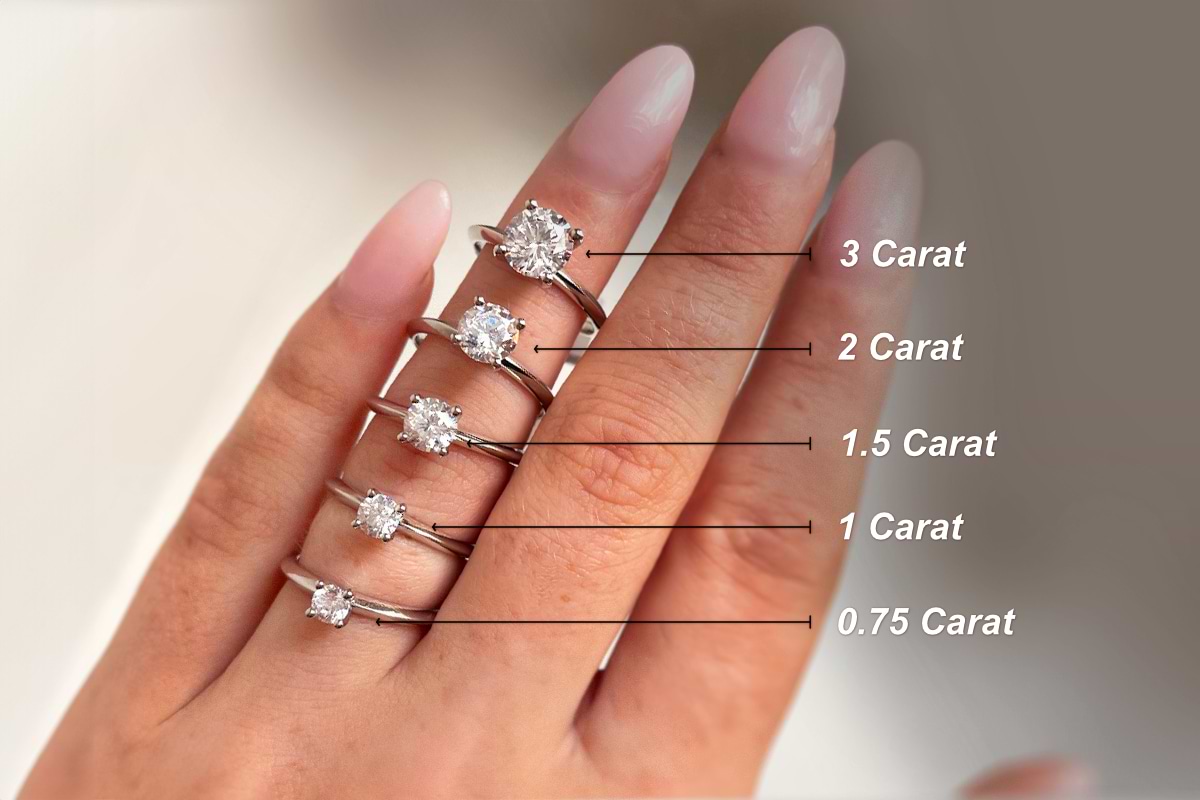
If you are including a center stone, the carat weight, cut, clarity, and color (the 4 Cs) drive the majority of the cost. You do not need a large stone to have a beautiful ring. A well-cut 0.5-carat diamond often looks better than a poorly cut 1-carat stone. Allocate the bulk of your ring budget here, but remember that a smaller, high-quality stone can be more impressive than a larger, lower-quality one.
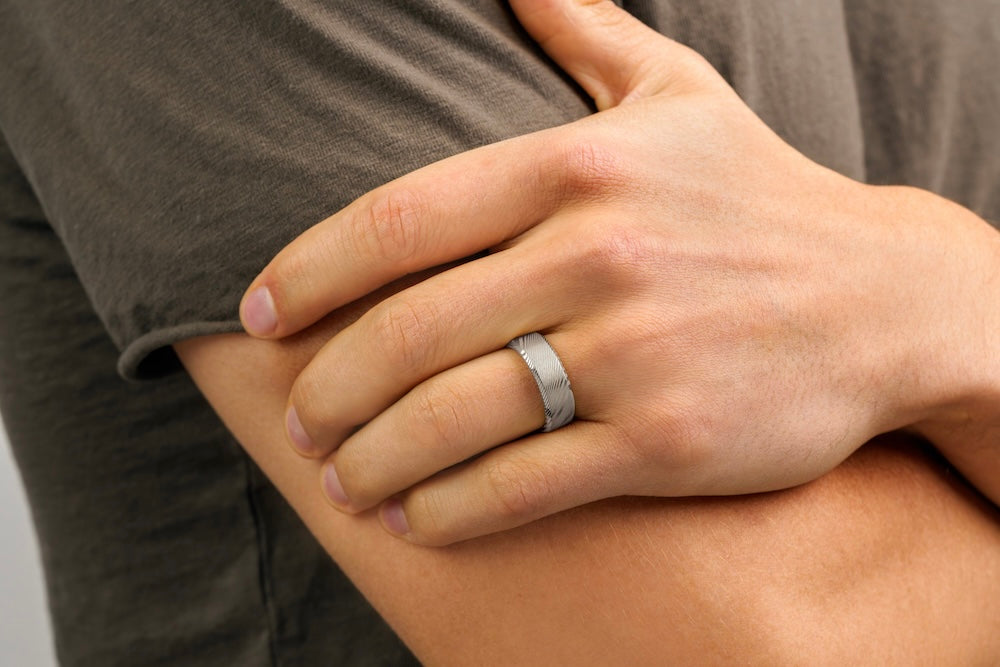
Once you have selected your metal, style, and stone preferences, set a firm limit. Do not exceed this number, even if you find a "perfect" ring that is slightly over budget. This prevents buyer's remorse and keeps your overall wedding finances on track. Stick to the cap to ensure you can afford other essential wedding elements.


As an Amazon Associate, we may earn from qualifying purchases.
By focusing on actual market averages and your personal financial situation, you can choose a ring that feels special without causing financial strain. The goal is a symbol of commitment, not a source of debt.
Frequently asked questions about ring costs
Does the metal type significantly change the price?
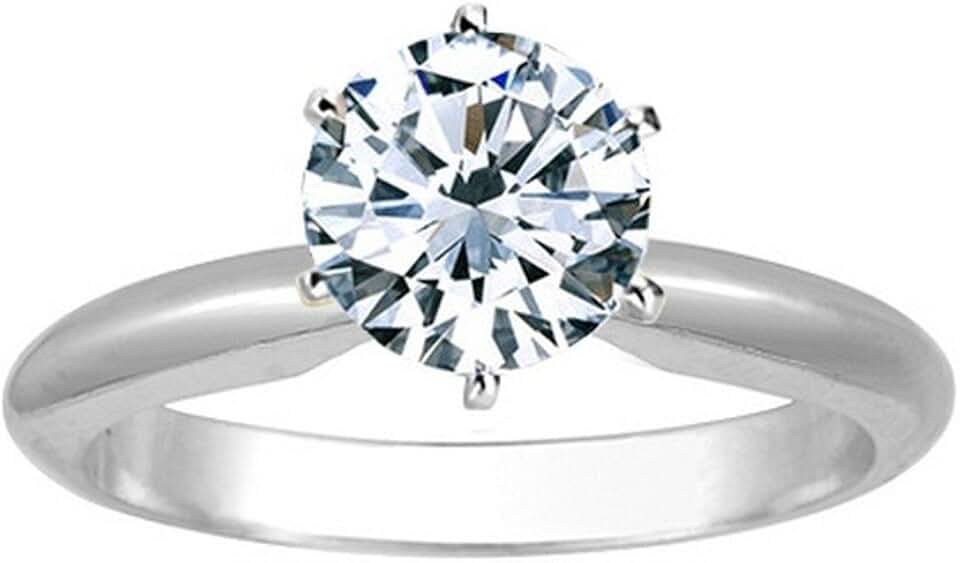
The band material is the most predictable variable in your budget. White gold remains the most popular choice for its classic look and lower cost, typically ranging from $200 to $400 for a standard band. Platinum is denser and more durable, commanding a premium that can add $300 to $600 to the total. Choosing a simpler metal profile, like the setting on a
, keeps costs down while allowing more budget for the center stone.
Are lab-grown diamonds actually cheaper?
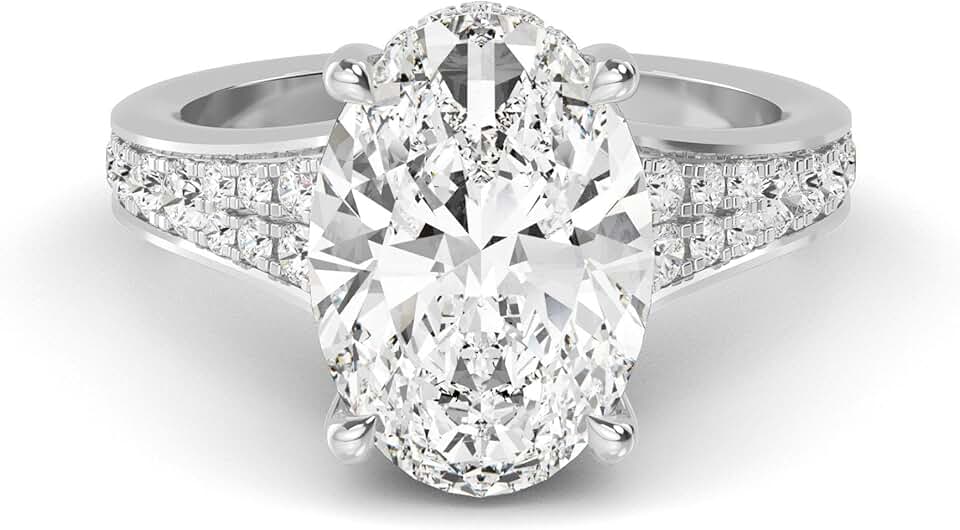
Lab-grown diamonds offer the same chemical composition as mined stones but at a fraction of the price. You can often find a 1-carat lab-grown diamond for $800 to $1,200, compared to $4,000 to $6,000 for a mined equivalent with similar clarity and color. This price difference allows you to upgrade other specs, such as choosing a larger carat weight or a higher clarity grade. A piece like the
demonstrates how lab-grown options provide significant visual impact without the mined diamond premium.
Is the two-month salary rule still relevant?
The "two months' salary" guideline is a marketing myth from the 1980s and has no basis in current economic reality. The national average spend on an engagement ring is approximately $5,200, according to The Knot’s 2024 Jewelry & Engagement survey. This average reflects what people actually spend, not what advertisers suggest they should. Focusing on your personal budget rather than an arbitrary rule ensures you buy a ring that fits your financial life, not a marketing statistic.
No comments yet. Be the first to share your thoughts!