

The rising cost of staying dry
Construction costs are climbing, and it’s not just inflation. Climate change is fundamentally reshaping how and where we build, and the price tag is significant. We’re seeing more frequent and intense weather events – hurricanes, floods, wildfires – forcing a shift from simply building to code to building for the conditions we anticipate in the coming decades. This isn’t about future-proofing; it’s about present-day risk mitigation.
Building back after a disaster to the same standards simply isn’t enough anymore. Insurance companies are already factoring climate risk into premiums, and we’re starting to see mortgage lenders scrutinize a property’s resilience. A home deemed vulnerable could face higher insurance rates, or even difficulty securing a mortgage at all. Ignoring climate risk isn't just irresponsible; it's becoming a financial liability.
The costs associated with climate resilience aren’t limited to materials and labor. There are hidden expenses like increased permitting fees for stricter building standards, potential relocation costs if a property becomes uninhabitable, and the long-term economic impact of disrupted supply chains. It’s a complex picture, and one that demands careful consideration.
Why materials are getting more expensive
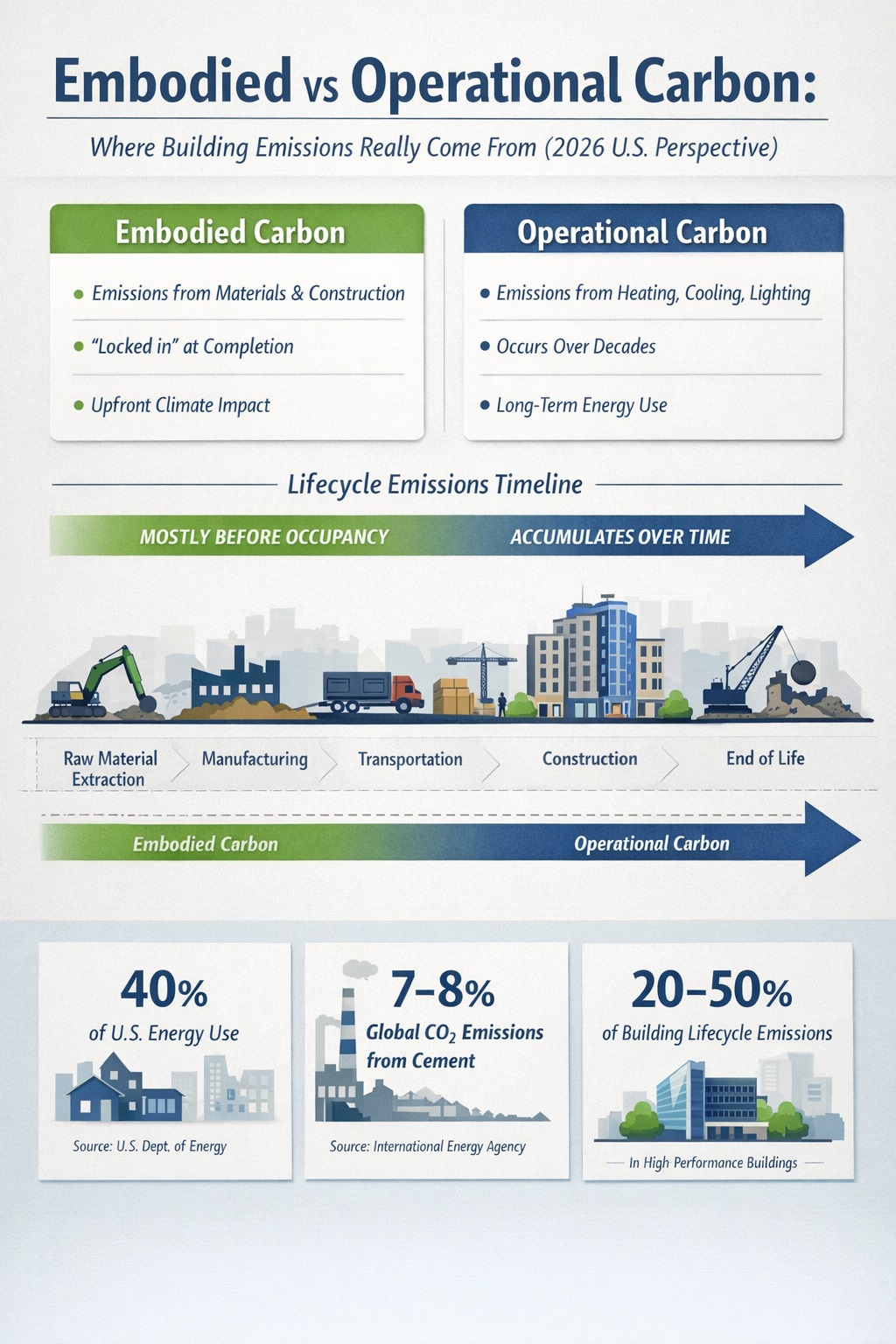
The materials that contribute to climate-resilient construction aren’t cheap, and prices have been on the rise. High-performance concrete mixes, designed for increased durability and resistance to cracking, now cost roughly 15-20% more than standard concrete. Corrosion-resistant steel alloys, essential in coastal environments, have seen price increases of around 25% since 2020.
Engineered lumber, like cross-laminated timber (CLT), offers superior fire resistance and strength compared to traditional lumber, but comes with a price premium of approximately 30-40%. Roofing materials are also seeing significant increases. Metal roofing, a durable and fire-resistant option, is about 50-75% more expensive upfront than traditional asphalt shingles. Tile roofing, while long-lasting, can add even more to the budget.
Moisture-resistant insulation now costs 10-15% more than it did two years ago. If you are building in a humid or flood-prone zone, you can't skip this—standard fiberglass batts turn into moldy sponges when wet. I expect these prices to stay high through 2026 as demand for closed-cell foam and mineral wool outpaces production.
- High-performance concrete adds a 15-20% premium over standard mixes.
- Corrosion-Resistant Steel: Up 25% since 2020
- Engineered Lumber (CLT): 30-40% premium
- Metal Roofing: 50-75% more expensive than asphalt shingles
- High R-Value Insulation: 10-15% price increase
Comparative Cost & Lifespan: Standard vs. Climate-Resilient Building Materials (Estimated 2026)
| Material Category | Standard Option | Resilient Alternative | Upfront Cost | Lifespan Expectancy |
|---|---|---|---|---|
| Roofing | Asphalt Shingles | Metal Roofing | Lower | Shorter |
| Roofing | Asphalt Shingles | Clay/Concrete Tile | Trade-off | Significantly Longer |
| Wall Framing | Wood Frame | Insulated Concrete Forms (ICF) | Higher | Better for long-term durability |
| Wall Sheathing | OSB/Plywood | Fiber Cement Siding | Trade-off | Better moisture resistance |
| Windows | Vinyl Windows | Impact-Resistant Windows | Higher | Better for storm protection |
| Foundation | Concrete Slab | Elevated Foundation (where applicable) | Higher | Better for flood zones |
| Exterior Doors | Solid Wood Doors | Fiberglass Doors | Trade-off | Better resistance to warping/rot |
| Insulation | Fiberglass Batt | Spray Foam Insulation | Higher | Better air sealing & performance |
Qualitative comparison based on the article research brief. Confirm current product details in the official docs before making implementation choices.
The shortage of skilled workers
The demand for skilled labor in climate-resilient construction is surging, but the supply isn't keeping pace. Specialized training is needed in areas like floodproofing techniques, wildfire mitigation strategies, and the installation of high-performance building envelopes. This skills gap is driving up labor costs, as contractors compete for qualified workers.
Contractors are increasingly charging premiums for projects requiring resilient building practices. This is particularly true in regions prone to extreme weather events. Regional differences in labor availability are also significant. Coastal areas, for example, may have a higher concentration of workers experienced in floodproofing, while areas prone to wildfires may see higher demand for fire-resistant construction specialists.
Prefabrication offers a potential solution to mitigate labor shortages. By shifting some construction tasks to a controlled factory environment, we can reduce the reliance on on-site labor and improve quality control. However, prefabrication requires its own specialized skillset and may not be suitable for all projects.
Foundation costs for rising water
Foundation costs are significantly impacted by the need for climate resilience, especially in areas prone to flooding. Traditional slab foundations are often inadequate in flood zones, requiring more expensive alternatives like elevated foundations or pilings. The cost of elevating a home can range from $10 to $25 per square foot, depending on the height and complexity of the project.
Flood vents, designed to allow water to flow through the foundation and reduce hydrostatic pressure, add another $5 to $10 per linear foot. Different flood zone requirements dictate the level of protection needed, and engineered solutions are often necessary to meet these standards. Soil testing and remediation can also add to the cost, particularly in areas with unstable soil conditions or contaminated land.
Permeable paving and drainage systems are increasingly used to manage stormwater runoff, reducing the risk of flooding and erosion. These systems can add $5 to $15 per square foot to the landscaping costs. The overall cost of a climate-resilient foundation can easily exceed that of a traditional foundation by 20-50%, or even more in high-risk areas.
- Elevating a home typically runs between $10 and $25 per square foot.
- Flood Vents: $5 - $10 per linear foot
- Permeable Paving: $5 - $15 per square foot
- Soil Testing/Remediation: Variable, depending on site conditions
Resilient Roofing: Beyond Asphalt Shingles
Asphalt shingles remain the most affordable roofing option, but they offer limited protection against extreme weather. Metal roofing, while more expensive upfront, provides superior durability, wind resistance, and fire protection. Installation costs for metal roofing are typically 15-20% higher than asphalt shingles, but the lifespan is significantly longer – often 50 years or more.
Tile roofing is another durable option, but it’s heavier than metal and requires a reinforced roof structure, adding to the cost. Cool roofs, designed to reflect sunlight and reduce heat absorption, can lower energy bills but may have a slightly higher initial cost than traditional roofing materials. The cost of reinforcing a roof structure to handle heavier materials like tile can range from $2 to $5 per square foot.
Impact resistance is a key consideration in areas prone to hail or debris storms. Impact-resistant shingles and roofing materials can add 10-15% to the cost, but can prevent costly repairs down the line. Wind resistance is also crucial, especially in hurricane-prone regions. Choosing roofing materials and installation methods that meet local wind code requirements is essential.
HVAC and Energy Efficiency: Long-Term Savings
High-efficiency HVAC systems, including heat pumps, represent a significant investment but offer long-term savings on energy bills and increased resilience during power outages. Heat pumps can cost 20-30% more than traditional furnaces, but they’re more energy-efficient and can provide both heating and cooling. Integrating renewable energy sources, like solar panels and battery storage, adds to the upfront cost but further enhances resilience.
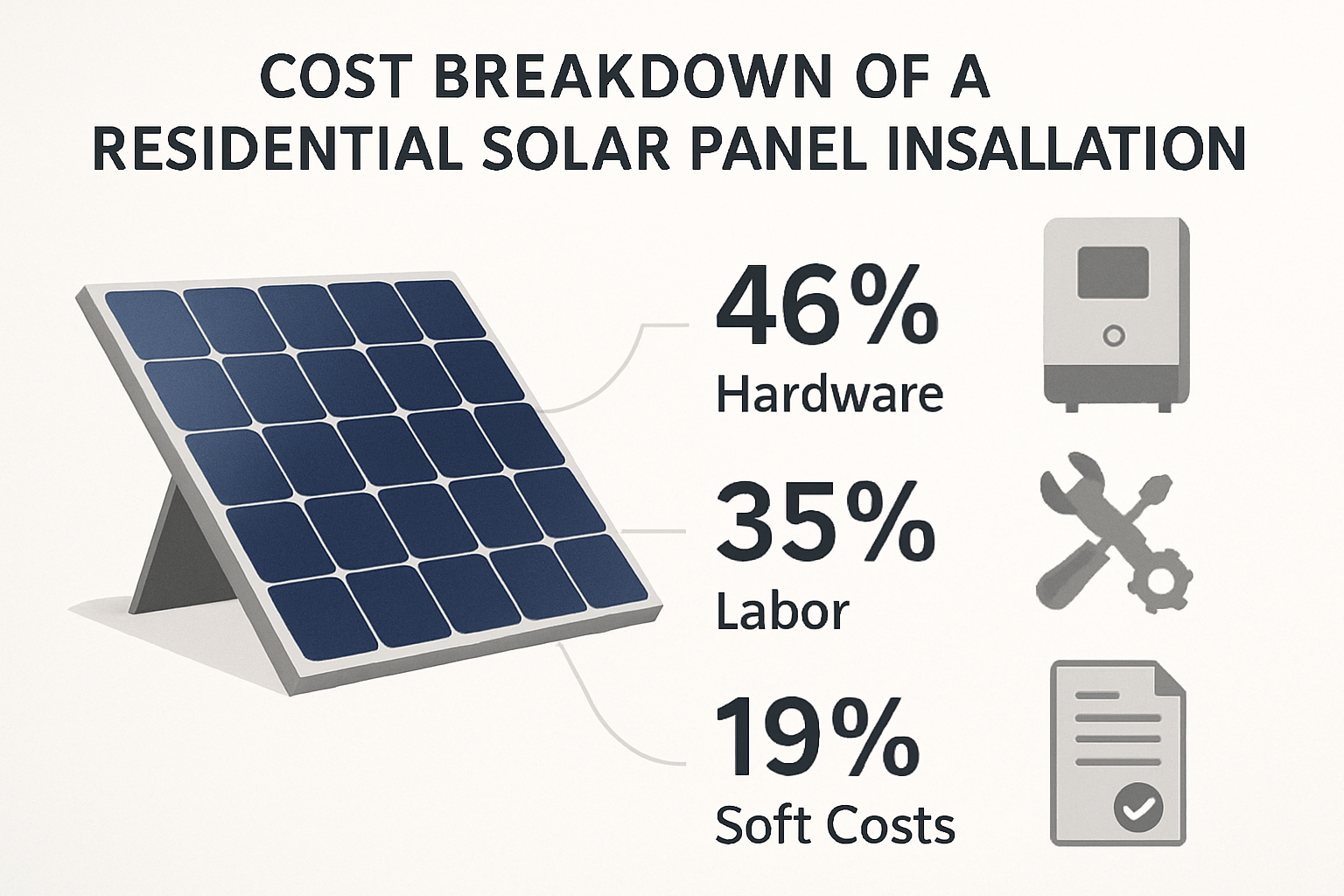
The cost of solar panel installation varies depending on system size and location, but typically ranges from $3 to $5 per watt. Battery storage systems can add another $10,000 to $20,000 to the cost. Building orientation and passive solar design can significantly reduce HVAC loads, lowering energy consumption and costs. Orienting a home to maximize solar gain in the winter and minimize it in the summer can reduce heating and cooling needs by up to 20%.
Several tax credits and incentives are available to offset the cost of energy-efficient upgrades and renewable energy installations. The federal Investment Tax Credit (ITC) currently offers a 30% tax credit for solar panel installations. State and local incentives may also be available, so it’s important to research what’s offered in your area.
No comments yet. Be the first to share your thoughts!