
Average wedding ring cost in 2026
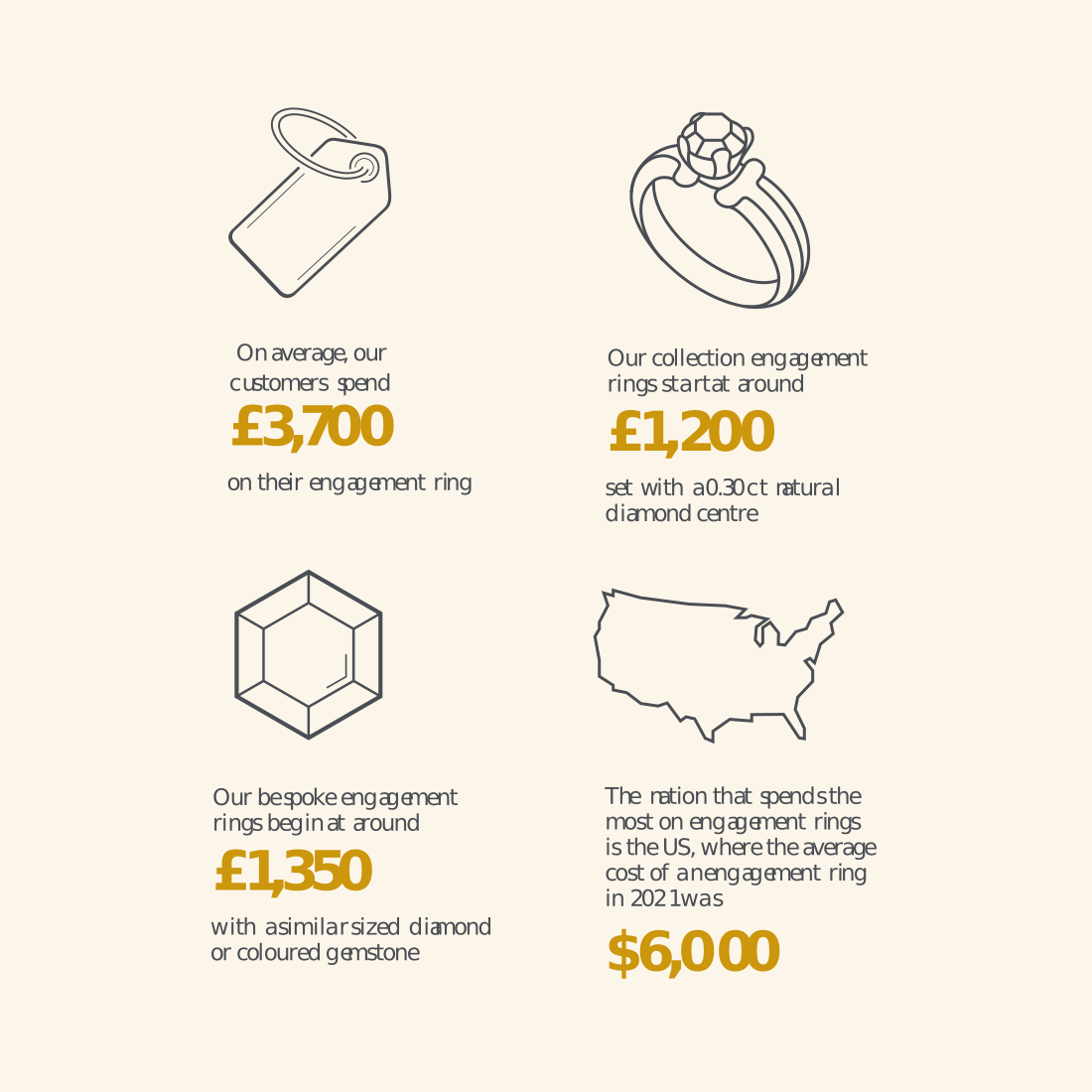
The baseline for wedding ring spending in 2026 reflects a steady market with clear distinctions between engagement rings and wedding bands. Engagement rings carry the heavier price tag, with national averages hovering between $5,200 and $5,500. This figure, drawn from recent industry surveys like The Knot’s 2024 Jewelry & Engagement report, serves as the standard reference point for couples planning their budget.
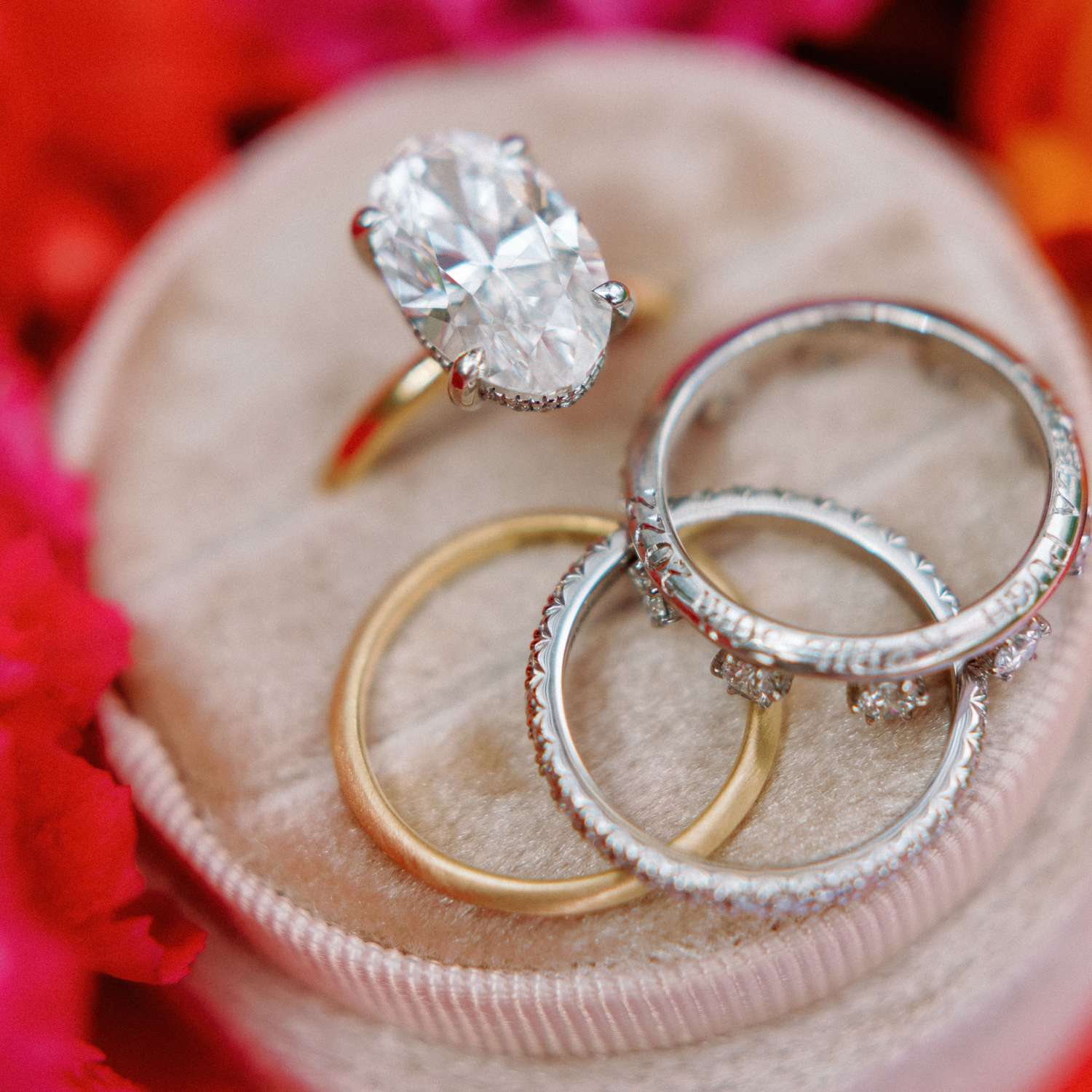
Wedding bands, by contrast, are significantly more affordable. The average cost of a wedding ring in the U.S. tends to fall between $1,000 and $1,500. While basic styles can start as low as $500, and custom or designer pieces may exceed $2,500, the $1,000–$1,500 range remains the most common spending bracket for the simpler, often metal-only bands worn daily.
Understanding these averages helps ground expectations. The engagement ring is typically the larger initial investment, while the wedding band is a complementary piece. When planning your total jewelry budget, it is practical to allocate roughly four times more to the engagement ring than to the wedding band, though individual preferences for materials and stone size will always shift these numbers.
Calculate your estimated ring cost
Understanding the true cost of a wedding ring requires looking beyond the two-month salary myth. The national average sits near $5,200 for engagement rings, but actual prices vary wildly based on material choices and stone quality. A simple solitaire in white gold with a lab-created stone can cost under $1,000, while a platinum band with a high-clarity natural diamond often exceeds $10,000.
Use the calculator below to build a realistic budget for your specific preferences. Adjust the metal type, diamond origin, carat weight, and setting style to see how each variable impacts the final price range. This tool provides data-driven estimates based on current 2026 market trends, helping you align your expectations with actual retail pricing.
How metal choice changes the price
The band material is the single biggest variable in wedding ring costs. While diamonds get the attention, the metal composition determines the baseline weight and market value of the piece. Platinum commands a premium due to its density and purity, while gold alloys vary significantly based on karat weight and color.
Platinum is a dense, naturally white metal that typically costs 1.5 to 2 times more than 14K gold. It is hypoallergenic and retains its color without plating, but its weight drives up the material cost. Gold is an alloy mixed with other metals to achieve specific colors and hardness. 14K gold contains 58.3% gold, while 18K contains 75%. Higher gold content increases the price but reduces durability, making 14K the standard for daily wear.
| Metal Type | Durability | Maintenance | Typical Cost Impact |
|---|---|---|---|
| Platinum | High | Low (polishing) | Highest (+30-50%) |
| White Gold | Medium | High (re-plating) | Moderate |
| Yellow Gold | Medium | Low | Moderate |
| Rose Gold | Medium | Low | Moderate |
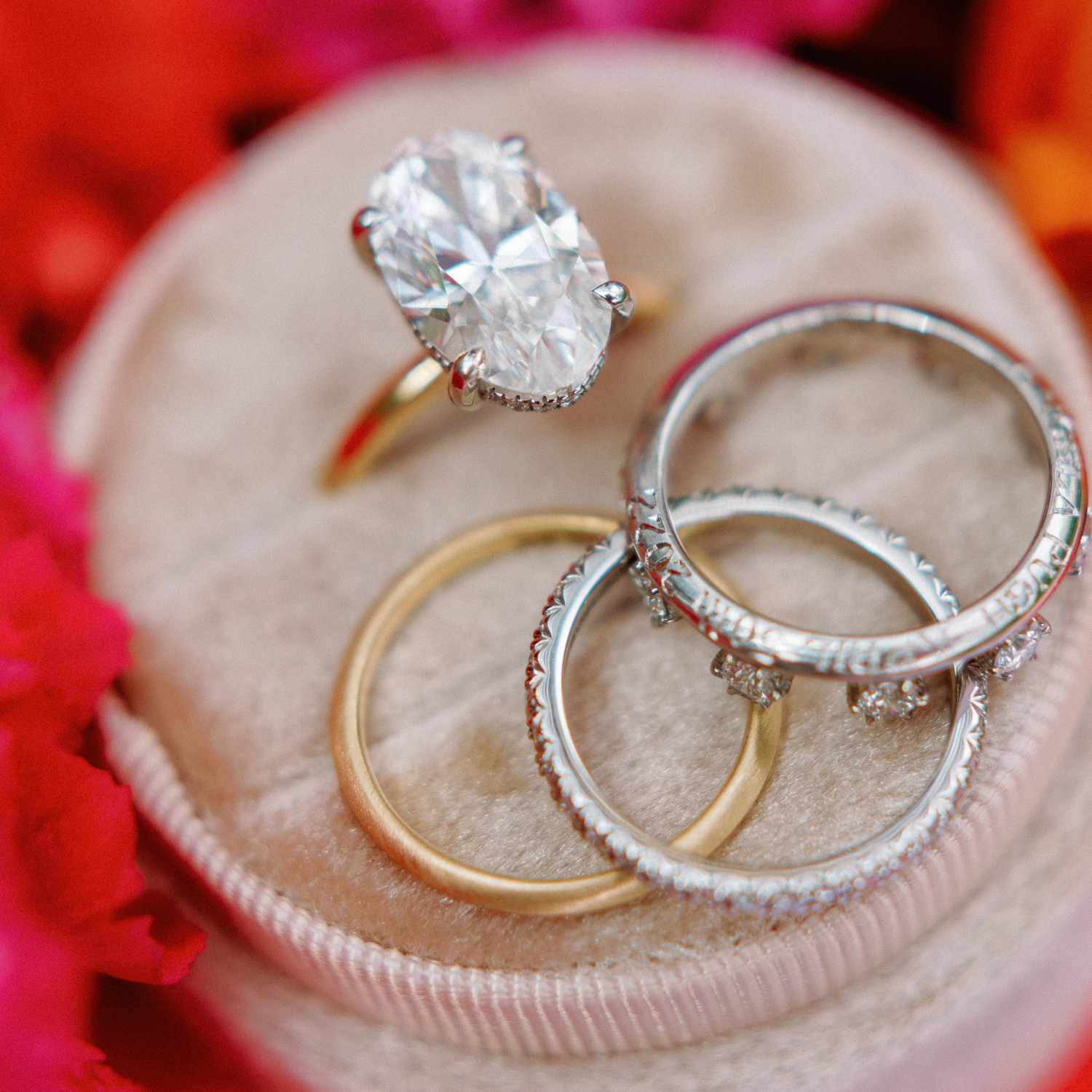
White gold requires rhodium plating to maintain its bright white appearance, adding recurring maintenance costs over the ring's life. Yellow and rose gold do not require plating, making them more cost-effective long-term. The image below illustrates how metal choice influences the overall aesthetic and value of the band.
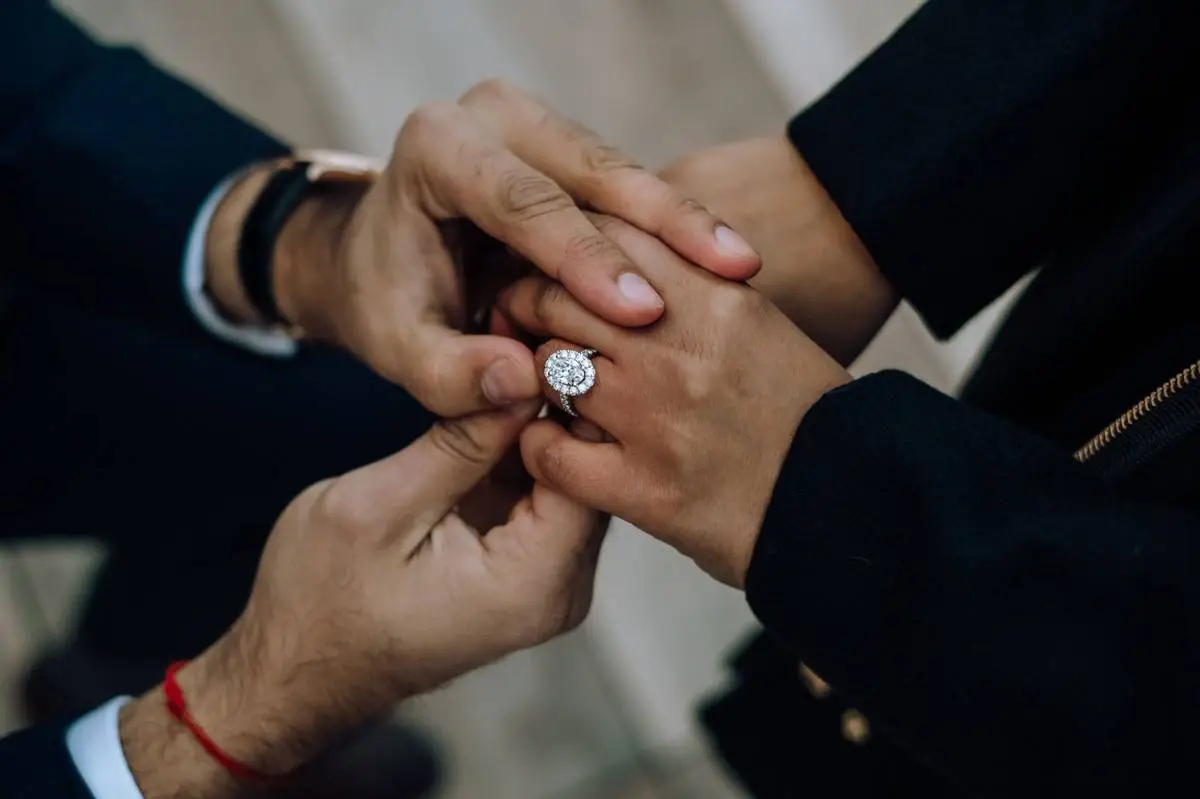
Selecting the right metal involves balancing upfront cost against long-term upkeep. Platinum offers a lifetime finish but requires a larger initial investment. Gold provides a lower entry price but may need periodic refinishing. Understanding these trade-offs helps you allocate your budget effectively between the band and any center stone.
How diamond shape and clarity drive cost
The diamond’s shape and clarity are the primary levers for adjusting the total wedding ring cost without changing the carat weight. While carat is the most visible metric, it is the cut quality, shape, and clarity grade that create the widest price gaps. Understanding these variables allows you to target specific areas for savings while maintaining a high-quality appearance.
Shape premiums and savings
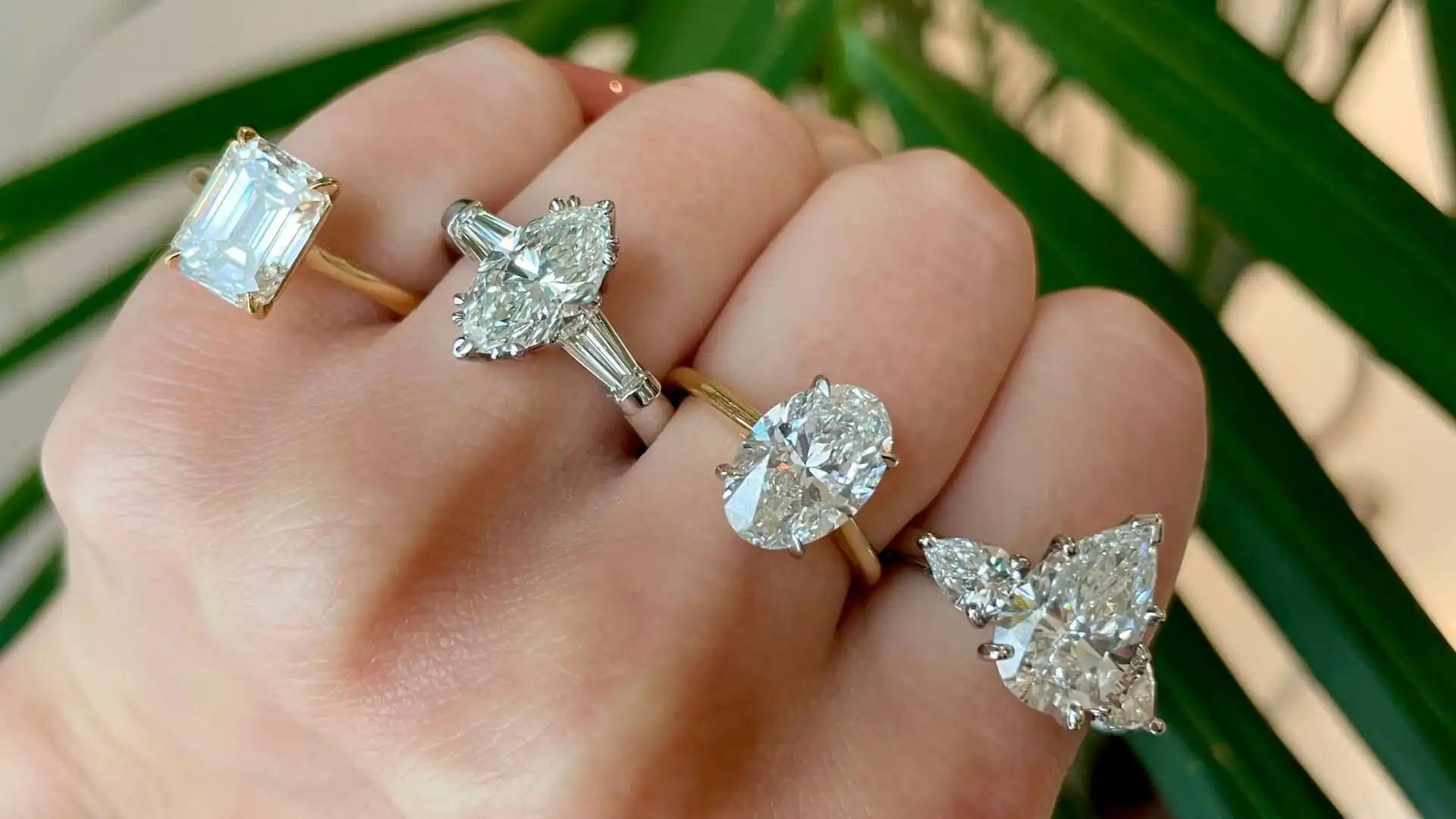
Round brilliant diamonds are the most popular shape, but they also carry a premium because they require more rough material to cut and command the highest market demand. Choosing a fancy shape—such as oval, cushion, or emerald—can reduce the price per carat by 20–40% compared to a round diamond of the same size and quality. These shapes often offer a larger face-up appearance for the same weight, making them a smart choice for budget-conscious buyers.
Clarity grades that matter
Clarity refers to the presence of internal inclusions or surface blemishes. For most wearers, the human eye cannot detect inclusions in diamonds graded VS2 (Very Slightly Included 2) or SI1 (Slightly Included 1). These grades offer significant savings over VVS (Very Very Slightly Included) or FL (Flawless) diamonds, which are priced for perfection rather than everyday wear. By targeting VS2 or SI1, you can often save hundreds of dollars per carat with no visible difference to the naked eye.
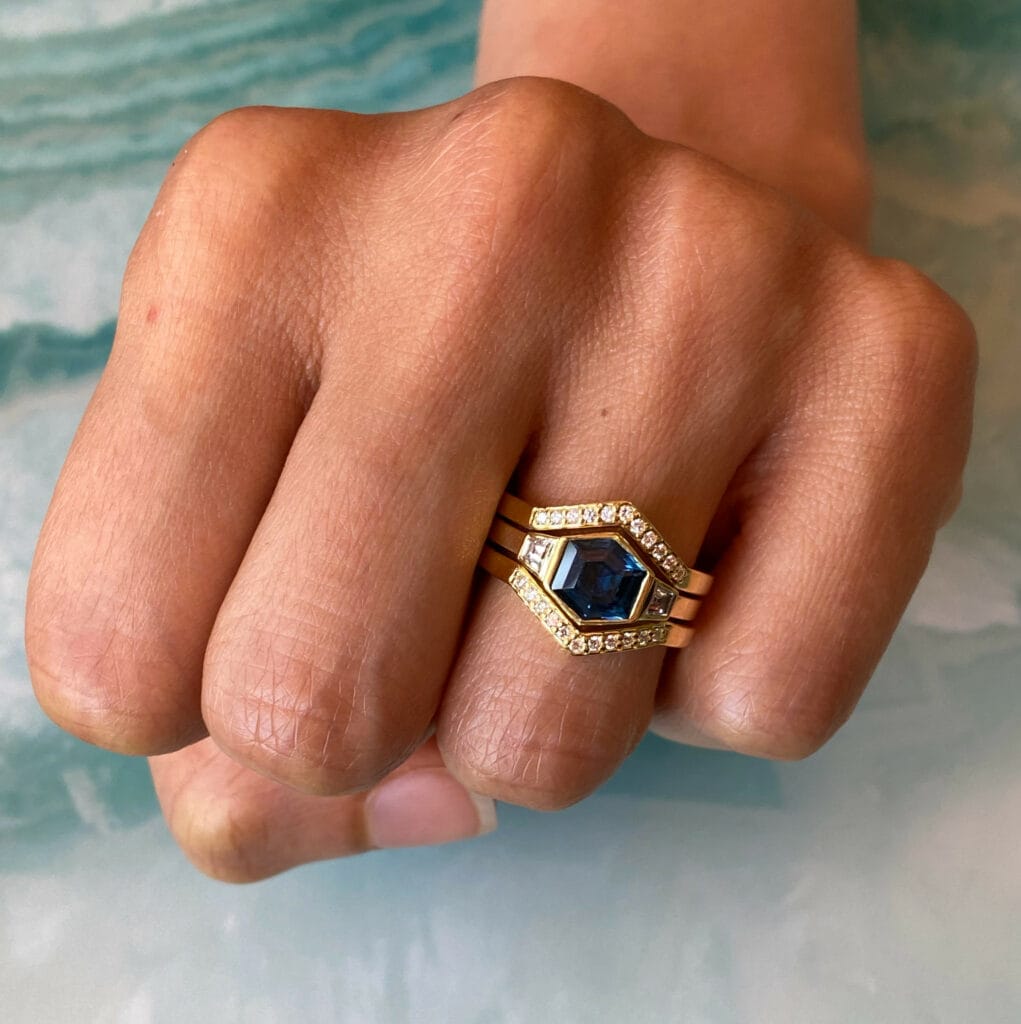
Balancing the 4 Cs
A common mistake is prioritizing carat weight over cut and clarity. A smaller diamond with excellent cut and high clarity will sparkle more and look better than a larger, poorly cut stone. When setting a budget, allocate more resources to the cut quality, as this directly impacts brilliance. Then, select a clarity grade that is eye-clean (VS2 or SI1) to maximize value. This approach ensures the diamond looks impressive without paying for invisible perfection.
How setting styles and hidden fees impact your total
The metal setting is where the final price gap between a budget ring and a luxury piece often appears. A simple solitaire setting requires less labor than a halo or pavé design, which involves setting dozens of smaller stones by hand. Expect to pay an additional $200 to $800 for these intricate styles, depending on the metal weight and stone count.
Beyond the ring itself, several recurring and one-time costs can quietly inflate your budget. Resizing is rarely included in the base price and typically costs $50 to $100. Insurance is another essential expense; annual premiums usually range from 1% to 2% of the ring’s appraised value. Without this coverage, replacing a lost or damaged ring can cost thousands out of pocket.
Always ask for a detailed breakdown of labor and materials before purchasing. Jewelers may quote a low price for the setting but add significant fees for engraving, custom sizing, or stone upgrades. Transparency in these line items helps you avoid surprises at checkout.
Final Checklist for Buying
Before you finalize the purchase, verify that the ring meets specific quality and value standards. Use this ordered checklist to avoid common pitfalls and ensure you are getting fair market value for your wedding ring cost.
Only buy diamonds that come with a grading report from the Gemological Institute of America (GIA) or the American Gem Society (AGS). These are the industry’s most rigorous standards. Avoid rings with reports from less reputable labs that may inflate quality grades. A certificate ensures the diamond’s 4Cs (cut, color, clarity, carat) match what you are paying for.
Prices vary significantly between brick-and-mortar stores and online vendors. Online retailers often have lower overhead, allowing them to offer better value on similar specs. Use the price calculator in this guide to benchmark your quote. Do not accept the first price offered; check at least three sources to establish a fair range.
Ensure the retailer offers a clear return policy, ideally 30 days or more. This gives you time to have the ring appraised or inspected by an independent jeweler. Check if they offer exchanges rather than just cash refunds, as this provides more flexibility if the ring does not meet expectations or if sizing is incorrect.
The sticker price is not the final cost. Factor in sales tax, resizing fees, and mandatory insurance. Wedding rings are valuable assets that should be covered under a jewelry rider on your homeowner’s or renter’s insurance policy. Get a quote for this coverage before purchasing to understand the true long-term cost.
Examine the metal purity (14k, 18k, or platinum) and the security of the prongs or setting. Ensure the diamond is centered and the band is smooth. If buying online, request high-resolution videos or 360-degree views to inspect for flaws that photos might hide. A well-constructed setting protects your investment.
Common questions about wedding ring costs
Budgeting for a wedding ring often starts with questions about what is "normal" or expected. The data suggests that typical spending falls between $500 and $2,500, with the U.S. average hovering around $1,000 to $1,500. However, these figures are statistical baselines, not strict rules. Custom designs and premium metals like platinum will naturally push prices higher, while simpler bands or alternative materials can keep costs well below the average.
It is important to distinguish between the cost of the ring and the broader wedding budget. There is no financial requirement to spend a specific amount based on salary or months of pay. The primary goal is to select a piece that fits your financial reality while meeting your style preferences. Transparency about pricing helps avoid unnecessary debt, allowing you to allocate funds toward other wedding expenses or savings goals.
No comments yet. Be the first to share your thoughts!