

Average wedding ring cost in 2026
The landscape of wedding ring pricing has shifted, but the traditional benchmarks still offer a useful baseline for budgeting. Recent market data suggests that the average cost of an engagement ring in 2026 hovers around $5,500, with many couples spending between $2,000 and $6,000. This range captures the bulk of the market, from modest solitaires to more elaborate designs.
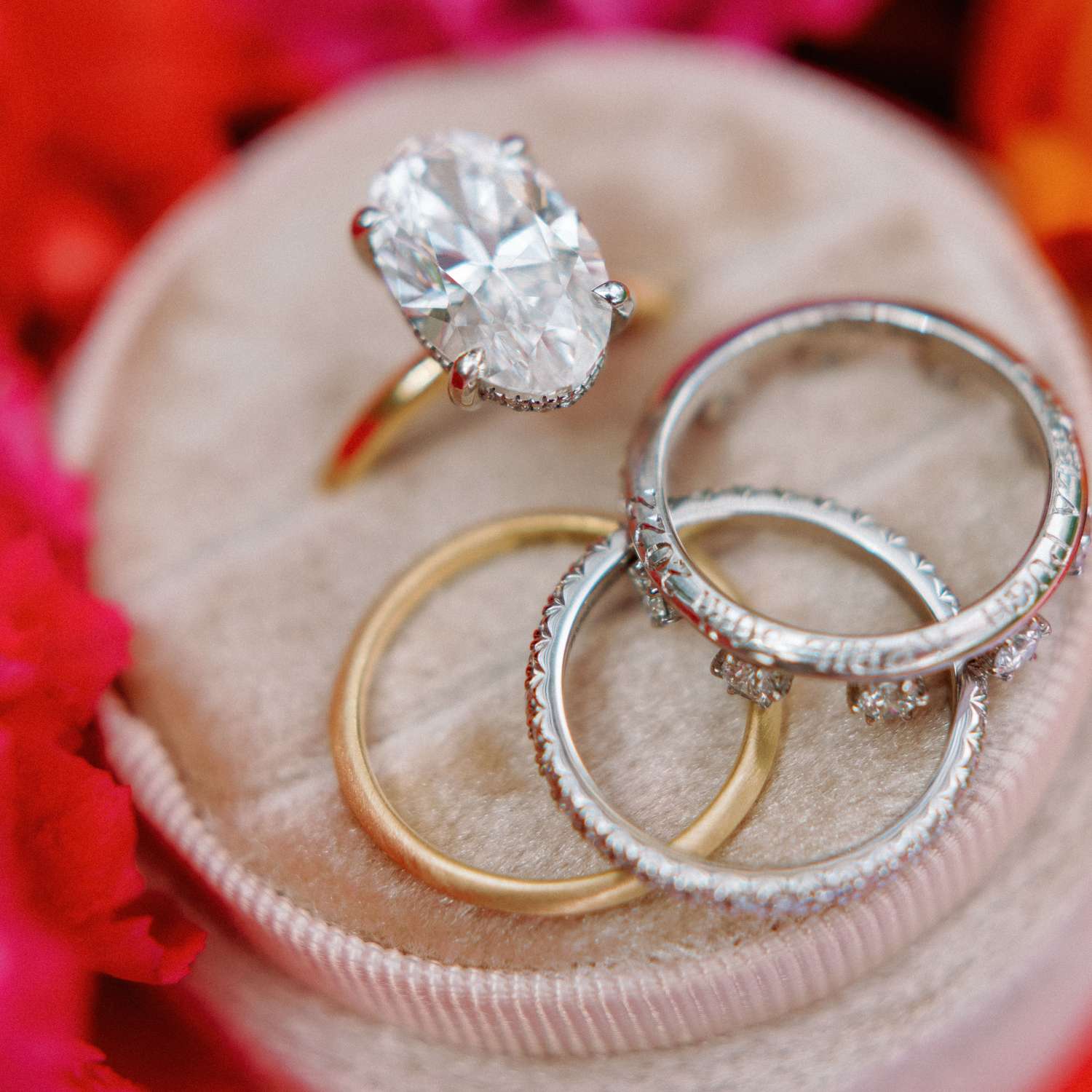
Several factors drive this variation. The choice of diamond shape, metal type, and setting complexity all influence the final price tag. For instance, a platinum band with a large round brilliant diamond will naturally cost more than a gold band with a smaller, oval-cut stone. Understanding these variables helps you anticipate where your money goes.
While $5,500 is a common average, it is not a rule. Budget-friendly options start well below $2,000, often featuring lab-grown diamonds or simpler settings. On the high end, custom designs with rare gemstones can easily exceed $10,000. Knowing your personal limit early on allows you to focus on styles that fit your financial comfort zone without surprise costs.
Best wedding rings by budget tier
Wedding ring costs vary widely depending on metal type, stone quality, and retailer markup. Rather than guessing, it helps to look at concrete examples across three common spending levels. This approach shows what is realistically available at different price points, from simple bands to center-stone designs.
The following examples illustrate typical options found in the current market. Prices for these items fluctuate based on daily gold and diamond market rates, so the figures below represent general ranges rather than fixed costs. Using Amazon’s product search allows you to see real-time availability and current pricing for similar styles.
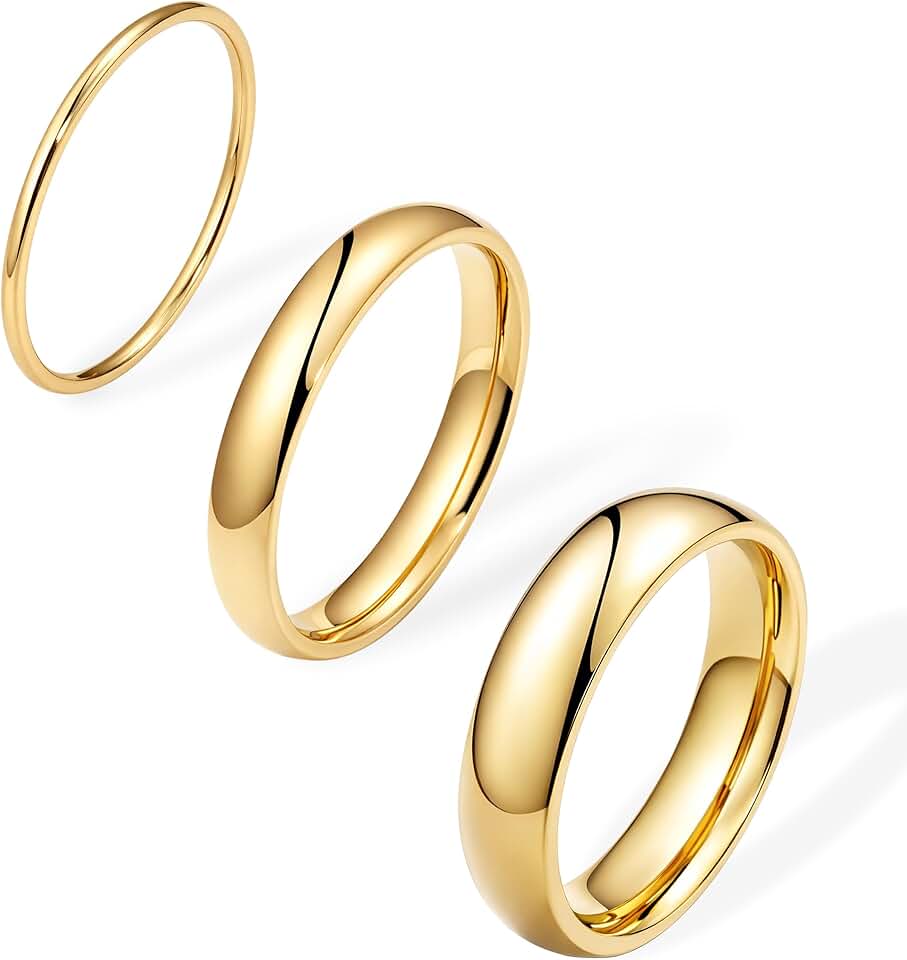
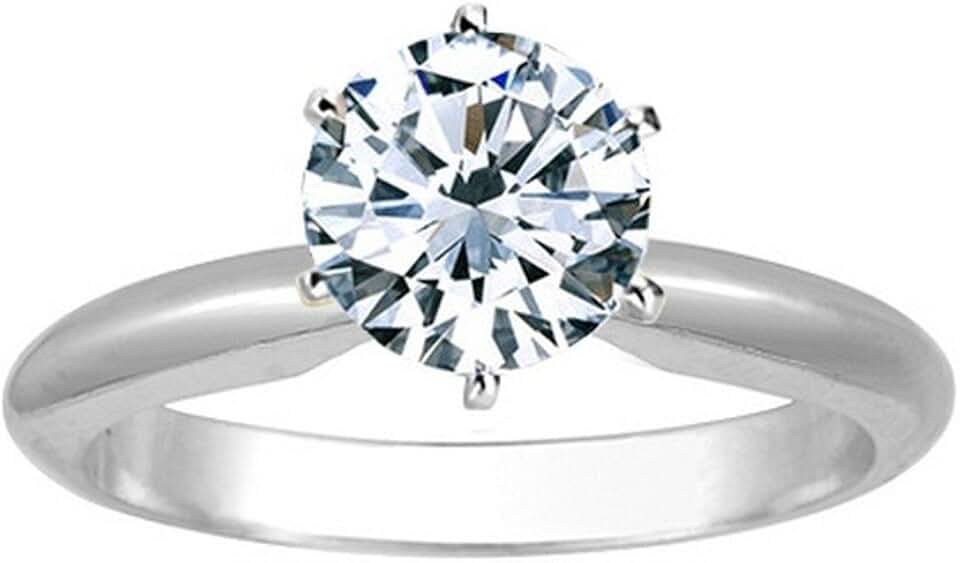

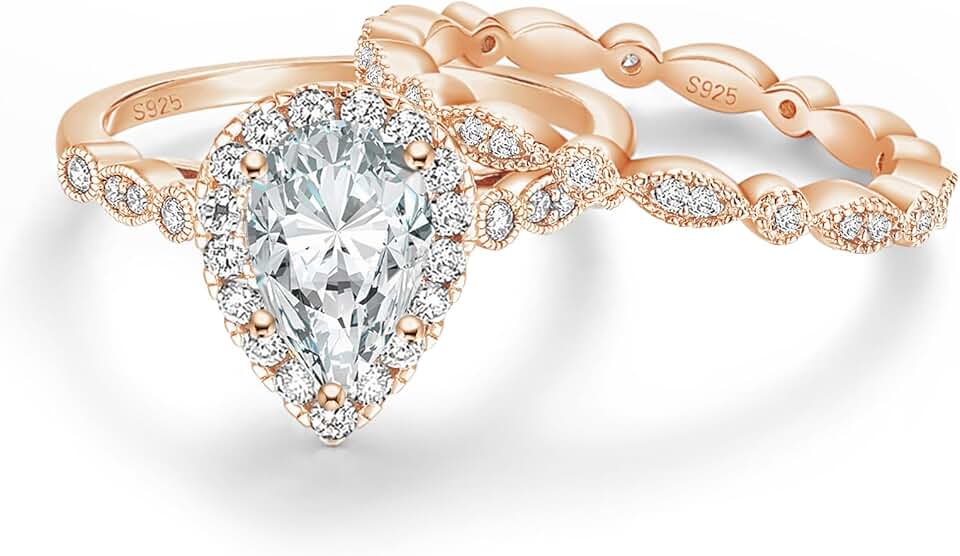
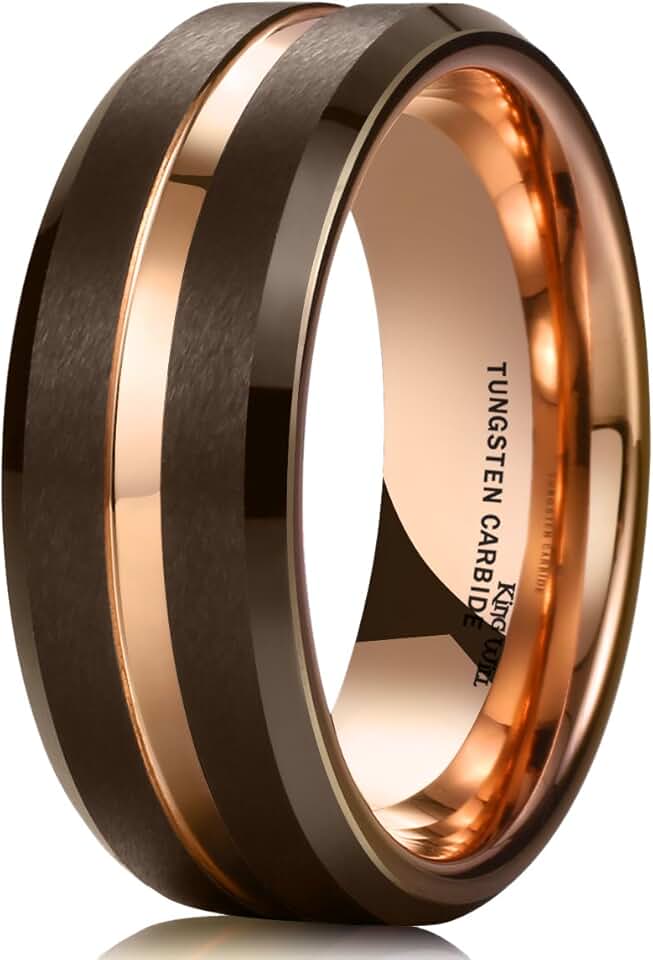

As an Amazon Associate, we may earn from qualifying purchases.
Starting with the under $500 tier, you will typically find solid metal bands in gold, silver, or platinum alternatives. These rings often lack center stones, focusing instead on comfort and durability. A simple 14k gold band or a tungsten carbide ring falls into this category. These are practical choices for couples prioritizing longevity over flashy design, and they often serve well as daily-wear staples.
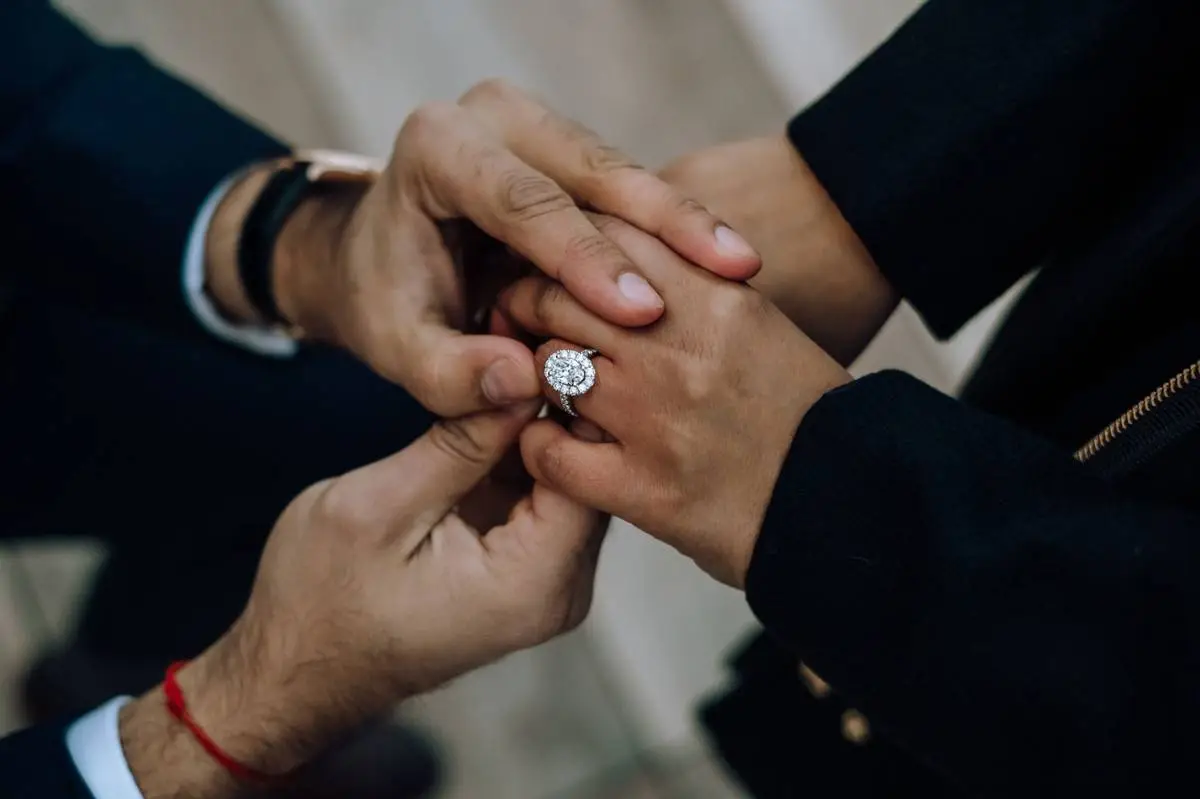
Moving to the $500–$2,000 range, the options expand significantly to include small diamond accents or more intricate metalwork. You might find a halo setting with smaller diamonds or a thicker platinum band with milgrain detailing. This tier often offers the best balance between aesthetic appeal and budget, allowing for some sparkle without the premium cost of a large center stone.
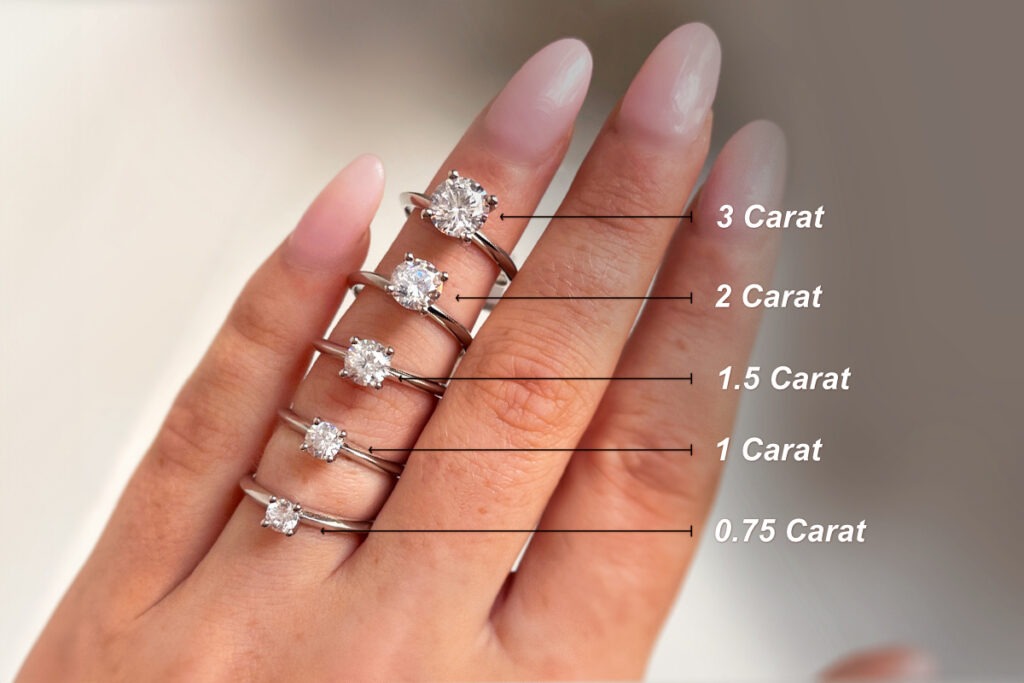
The $2,000+ tier opens the door to high-quality center stones, such as a 0.5 to 1.0 carat diamond, or premium metals like pure platinum. Rings in this bracket often feature more complex settings, such as three-stone designs or intricate pavé work. While prices can climb well above $5,000 for larger stones, the $2,000–$4,000 range still offers substantial value for those seeking a traditional, eye-catching centerpiece.
When shopping, remember that the "price" is only part of the equation. Retailer fees, resizing costs, and warranty services can add to the final bill. Checking multiple sources, including the Amazon links above, helps you compare not just the ring itself, but the total value proposition including seller reputation and return policies.
How diamond shape affects price
The shape of a diamond is one of the most significant factors in determining the final cost of a wedding ring. While carat weight, color, and clarity are standard grading metrics, the cut shape dictates how much rough diamond material is lost during the cutting process. Some shapes are easier to cut from raw crystals, while others require more precision and waste more of the original stone.
Round brilliant diamonds remain the most popular choice, but they also command the highest price per carat. This is because cutting a round stone requires removing the most material from the rough crystal to achieve the ideal symmetry and light performance. Fancy shapes like oval, princess, and pear cuts are generally more efficient to produce, often resulting in a lower price point for the same carat weight and quality.
When shopping for a 2026 wedding ring, understanding these shape premiums helps you allocate your budget more effectively. You might choose a round diamond for its timeless sparkle or select a fancy shape to maximize carat weight within a fixed budget. The following table compares the typical price ranges for common diamond shapes based on current market data.
| Shape | Avg. Price per Carat (1ct, VS1, G) | Cutting Complexity | Best For |
|---|---|---|---|
| Round Brilliant | Highest | High | Maximum sparkle and resale value |
| Princess | Moderate | Medium | Modern, geometric settings |
| Oval | Moderate to Low | Medium | Elongating the finger |
| Cushion | Moderate | Medium | Vintage or romantic styles |
| Emerald | Low to Moderate | Low | Clarity and step-cut elegance |
Metal choice and setting impact
The metal you choose and the way it is set into a ring are the two biggest variables in wedding ring cost. While diamonds or center stones often get the spotlight, the band itself can shift the price by hundreds or even thousands of dollars. Understanding how material density and craftsmanship affect the final price helps you allocate your budget where it matters most.
Gold and Platinum: Density and Durability
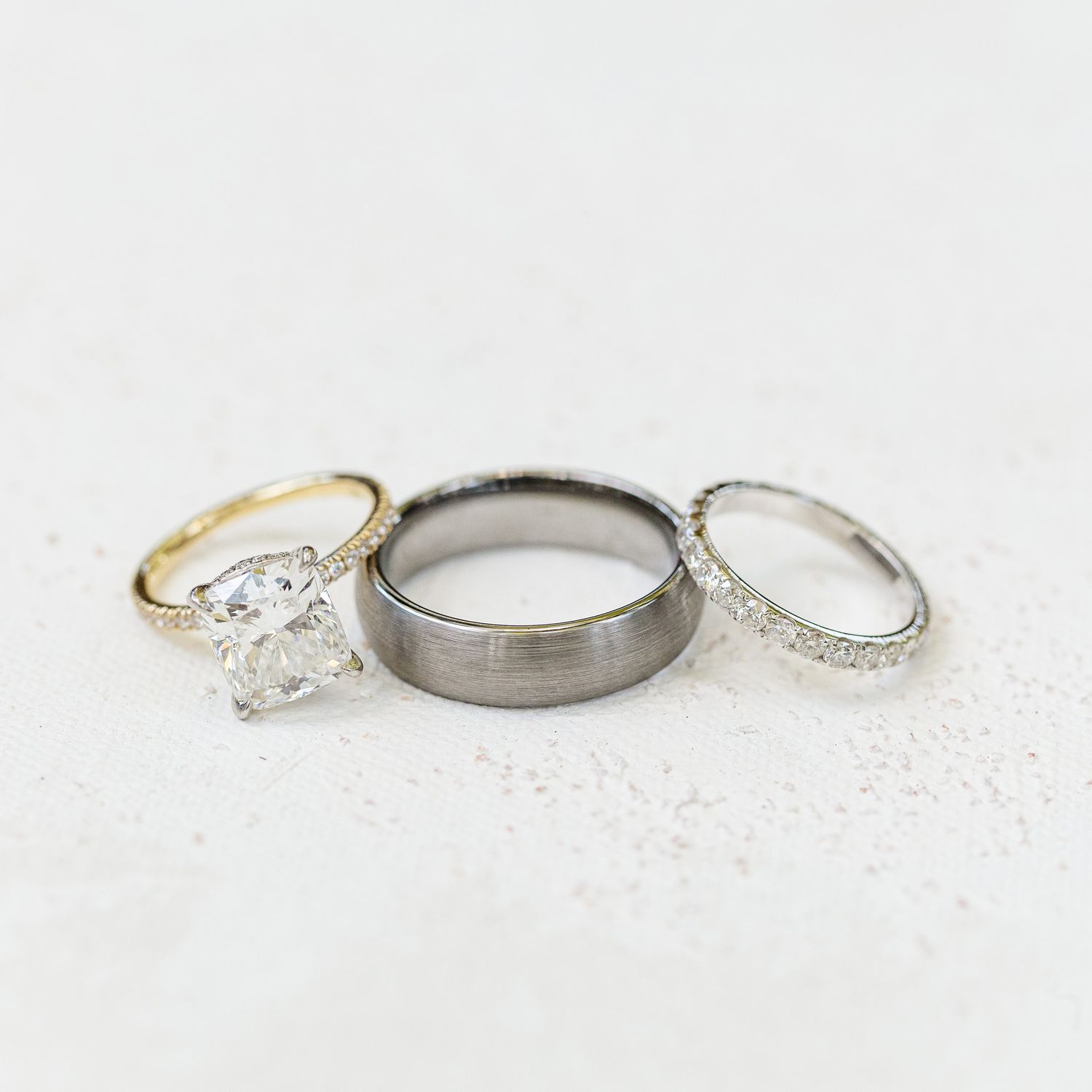
Platinum is the most expensive common wedding band metal because it is dense and naturally white. You pay for the weight of the metal itself. A standard platinum band often costs significantly more than a similar-sized gold band because platinum is roughly 60% denser than 14k gold. This density also means platinum is more durable and resistant to wear, though it will develop a patina over time.
Gold pricing depends on its karat and color. 14k gold contains 58.3% pure gold, while 18k gold is 75% pure. The higher the karat, the higher the material cost, but 14k remains the most popular choice for durability. White gold is often plated with rhodium to achieve its bright white finish, which may require periodic replating. Yellow and rose gold do not need this maintenance, making them a lower-cost option in the long run.
Silver and Alternative Metals
Sterling silver is the most affordable precious metal option, but it is soft and prone to tarnishing. It is generally not recommended for daily-wear wedding bands due to its low durability. Alternative metals like titanium, tungsten, and cobalt chrome offer a middle ground. These metals are scratch-resistant and hypoallergenic, often costing less than platinum but more than silver. They are difficult to resize, which is a trade-off for their affordability and durability.
Setting Styles and Craftsmanship
The setting style dictates how much labor goes into creating the ring. A simple solitaire setting, where a single stone is held by prongs, is standard and cost-effective. More complex settings, such as halo, pavé, or channel settings, require additional stones and intricate metalwork. Each tiny stone in a pavé setting adds to the material cost and the jeweler’s labor time.
A bezel setting, where a metal rim surrounds the stone, is more expensive to craft than prong settings because it requires precise metal shaping. However, it offers superior protection for the stone. When evaluating cost, consider that intricate designs often carry a higher labor premium, regardless of the metal used.
Smart Shopping Checklist
Buying a wedding ring involves more than just picking a diamond. Retail markups can be steep, often inflating the price by 200% or more. To ensure you get the best value for your wedding ring cost, follow this verification process before finalizing your purchase.
Determine your maximum spend before you start looking. Industry myths suggest spending two months' salary, but this is not a rule. Treat the ring as a purchase, not an obligation. If your budget is $2,000, do not look at rings priced at $5,000.
Don't rely on the seller's description alone. Use the GIA (Gemological Institute of America) report or a similar independent grading. Check the Cut, Color, Clarity, and Carat weight yourself. A slight drop in color (e.g., from D to G) can save hundreds of dollars with no visible difference to the naked eye.
Prices vary significantly between brick-and-mortar stores and online vendors. Online retailers often have lower overhead, allowing for better pricing on similar quality stones. Use comparison tools to check the same specifications across multiple sites. Never buy from the first store you visit.
Ensure you have a clear return window, typically 30 days, in case the ring doesn't fit or look right. Ask about resizing costs and warranty coverage for chipped stones or lost settings. A robust warranty protects your investment against everyday wear and tear.
Common wedding ring cost: what to check next
Pricing for wedding and engagement rings varies widely based on materials, stone quality, and where you buy. Retail markups can be significant, with some buyers paying much less than suggested retail prices by leveraging industry connections or shopping online.
Is there a set budget for an engagement ring?
There is no fixed rule for how much you should spend. While traditional marketing often suggests spending two or three months' salary, this guideline is largely outdated and not based on economic reality. Most couples spend between $1,000 and $3,000, with many paying even less. The best budget is one that fits your financial situation without causing debt.
Why do retail prices differ so much from what people pay?
Retail jewelry stores often have high overhead costs, including rent and staff, which drive up prices. Many consumers find they can purchase similar quality rings for a fraction of the retail price by buying from online retailers or independent jewelers. For example, a ring listed at $6,000 in a brick-and-mortar store might be available online for $1,000 or less for the same specifications.
Does a higher price always mean better quality?
Not necessarily. Price is influenced by brand reputation, marketing, and retail markup as much as by the quality of the metal or stone. A $2,000 ring from a reputable online seller may have better specs than a $5,000 ring from a luxury brand. Always compare the 4Cs (cut, color, clarity, carat) and metal purity rather than just the price tag.
No comments yet. Be the first to share your thoughts!