

Is an ADU Right for You? Weighing the Benefits and Initial Considerations
An Accessory Dwelling Unit (ADU) is a separate living space on your property, like an in-law suite or backyard cottage. They're becoming popular for many reasons: housing aging parents, generating rental income, or boosting property value.
The benefits are clear: rental income can help with mortgage payments, a separate space offers support for family, and property value often increases. But it's not without its challenges.
Permitting can be a lengthy and complex process. Neighborhood opposition to increased density is also a concern, and construction itself will disrupt your property and daily life. Before focusing on costs, weigh these potential drawbacks against your lifestyle.
Zoning regulations are the first hurdle. Cities and counties have specific rules on ADU size, height, setbacks, and style, which can change. Research your local planning department's website and consider meeting with a planner to discuss your project.
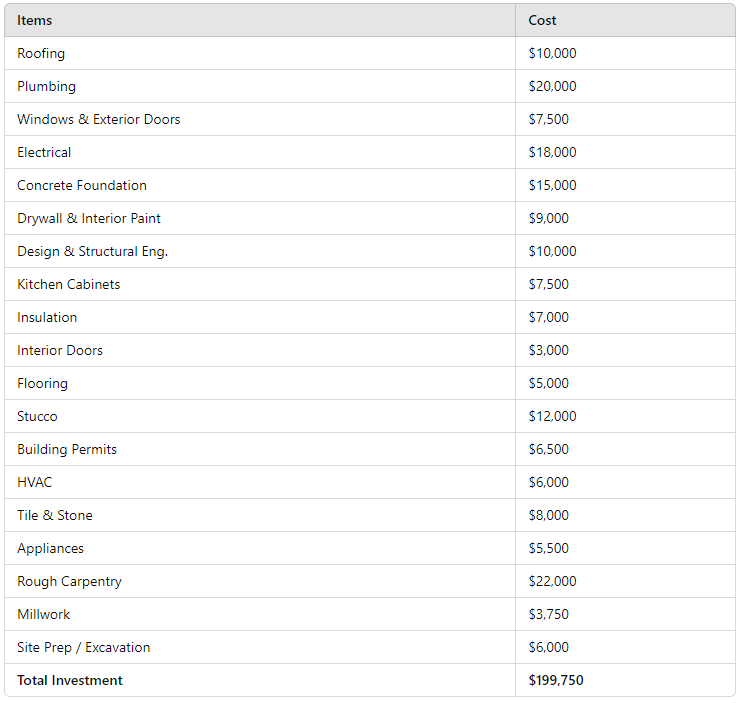
Decoding ADU Types: From Garage Conversions to New Construction
The type of ADU significantly impacts cost. The main categories are garage conversions (most affordable, limited by existing space), attached ADUs (additions to the main house), and detached new construction (most expensive, most flexible). Garage conversions use existing structures but may need substantial code modifications.
Attached ADUs offer more flexibility than garage conversions but can disrupt the household. Plumbing, electrical work, privacy, and soundproofing require careful consideration. Detached new construction provides the most design freedom but is the most expensive.
A detached ADU offers independence and privacy, allowing custom design without impacting the main house. However, it requires a separate foundation, utilities, and access, increasing costs. The choice depends on your budget, property, and desired privacy.
- Garage Conversion: Lowest cost, limited by existing space.
- Attached ADU: Moderate cost, potential for disruption.
- Detached ADU: Highest cost, most flexibility and privacy.
ADU Type Comparison: Costs & Considerations
- Garage Conversion - Typically $40,000 - $80,000+. This involves transforming an existing garage into a living space. Permitting Difficulty: Moderate, often simpler than new construction but still requires meeting building codes. Construction Timeline: 2-4 months. Privacy Level: Moderate, dependent on garage location and soundproofing. Potential Rental Income: $1,200 - $2,000+/month depending on location and size.
- Detached ADU (New Construction) - Typically $150,000 - $300,000+. A completely separate, new structure built on your property. Permitting Difficulty: High, requires full building permits and often zoning variances. Construction Timeline: 6-12 months. Privacy Level: High, offering complete separation from the main house. Potential Rental Income: $1,500 - $2,500+/month, often higher due to independent structure.
- Attached ADU (New Construction) - Typically $120,000 - $250,000+. An addition to the existing house, creating a new living space. Permitting Difficulty: High, similar to detached ADUs, requiring extensive permitting. Construction Timeline: 5-9 months. Privacy Level: Moderate, less privacy than a detached unit due to shared walls. Potential Rental Income: $1,300 - $2,300+/month.
- Permitting Costs - Expect $5,000 - $20,000+ depending on location and complexity. This includes application fees, plan review fees, and potential impact fees. Check your local municipality’s planning department for accurate estimates. Timeline Impact: Permitting can add significant time (several months) to the overall project.
- Foundation Costs - For detached and attached ADUs, foundation costs can range from $10,000 - $40,000+, depending on soil conditions and foundation type (slab, crawlspace, basement). Garage conversions generally reuse existing foundations.
- Utility Connections - Connecting to water, sewer, gas, and electricity can add $5,000 - $15,000+. Costs increase with distance from existing utility lines. Consider the need for separate metering.
- Design & Architectural Fees - Professional design services typically cost 5-15% of the total construction cost. This covers architectural plans, engineering, and potentially interior design.
- Finishing Costs - Interior finishes (flooring, cabinets, appliances) can range from $20,000 - $60,000+ depending on material choices. Higher-end finishes significantly increase costs.
The Biggest Cost Drivers: What Really Impacts Your ADU Budget
Building an ADU isn't cheap. Design fees for architects and structural engineers typically range from 5% to 15% of the total project cost, depending on design complexity.
Permitting costs are unpredictable and vary by location, with some cities charging thousands in impact fees. Site preparation, including grading, excavation, and utility connections, is another significant expense, especially on challenging terrain. Material costs for framing, roofing, siding, windows, and doors also fluctuate.
Labor costs vary by region and trade availability; expect to pay more in high-demand areas. Don't forget 'soft costs' like impact fees, utility connections, and inspections, which can add thousands.
Underestimating these less visible expenses is common. A clear scope of work and a detailed contract are essential. Prepare for unexpected issues by building a 10% to 20% contingency fund into your budget.
DIY Potential: Assessing Skill, Time, Savings & Risk for ADU Tasks
| Task | Skill Level Required | Time Commitment | Potential Cost Savings | Risk of Errors/Code Violations |
|---|---|---|---|---|
| Plumbing | High | Significant - several weeks to months | Substantial - $3,000 - $7,000+ | High - potential for leaks, improper drainage, and code violations requiring costly rework |
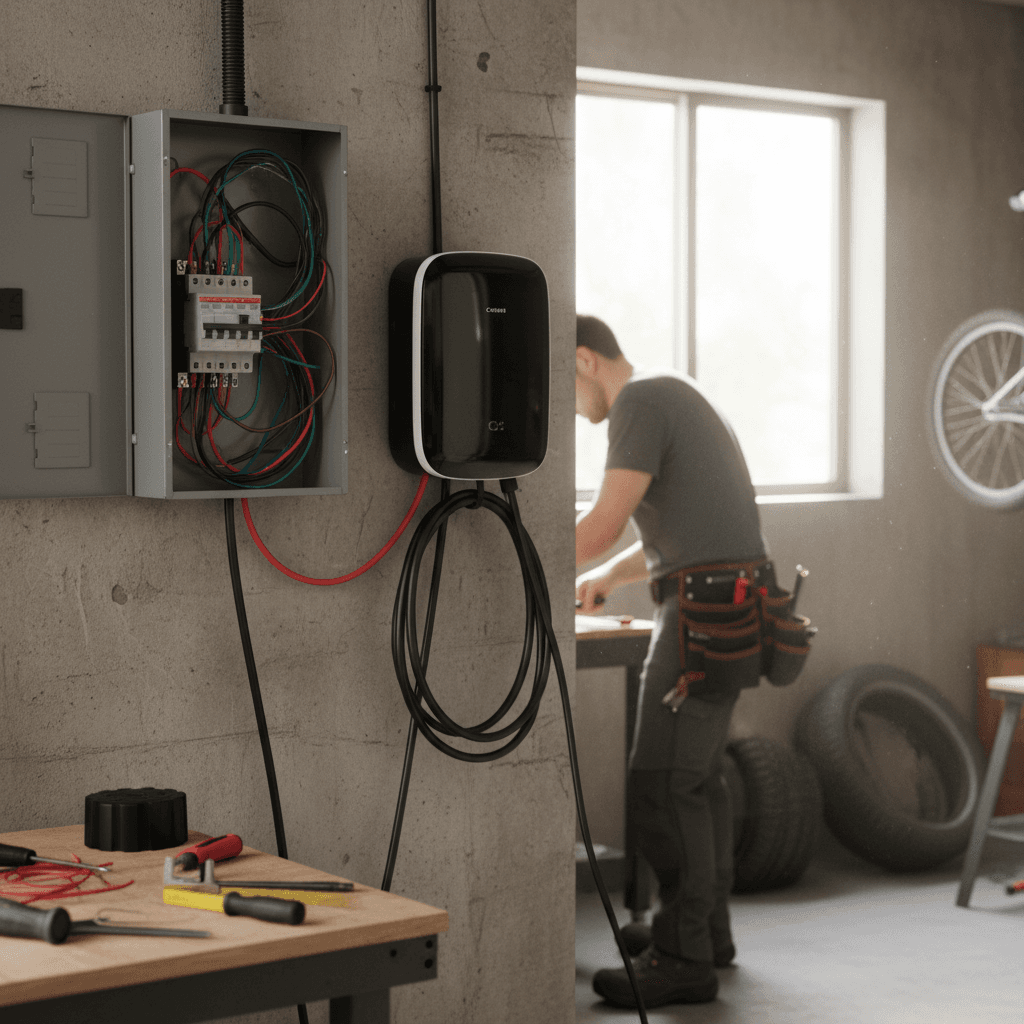
| Electrical | High | Significant - several weeks to months | Substantial - $2,500 - $6,000+ | Very High - fire hazard, electrical shock risk, and strict code requirements necessitate professional expertise |
| Framing | Medium | Moderate - 1-3 weeks | Moderate - $1,500 - $4,000+ | Medium - structural integrity concerns, potential for improper load bearing, and building code adherence |
| Painting | Low | Low - a few days to a week | Low - $500 - $1,500 | Low - primarily aesthetic, but improper preparation can affect finish quality |
| Insulation | Medium | Moderate - 3-7 days | Moderate - $800 - $2,500 | Medium - improper installation can lead to energy loss and moisture problems |
| Drywall Installation | Medium | Moderate - 1-2 weeks | Moderate - $1,000 - $3,000 | Medium - requires skill to achieve a smooth, level finish and avoid cracking |
Illustrative comparison based on the article research brief. Verify current pricing, limits, and product details in the official docs before relying on it.
Regional Cost Breakdown: How Location Impacts ADU Pricing
ADU construction costs vary dramatically by location. California, with high labor rates and strict codes, is consistently expensive, with homeowners spending $250,000 or more, according to Samara.com.
Texas and Florida are generally more affordable due to lower labor costs and less stringent regulations, though material costs can fluctuate. The national average ADU cost was around $181,000 in 2023, with costs per square foot ranging from $162 to $682 (buildinganadu.com).
Virginia offers a middle ground, with ADU construction costs estimated between $150 to $400 per square foot (Costtoconstruct.com, 2026). These are averages; rural projects are typically cheaper than those in dense cities.
Contractor availability impacts price; high demand means higher labor costs. Get multiple bids and compare carefully, considering experience and reputation over just the lowest price.
ADU and Home Construction Cost Comparison 2024
Average cost per square foot and total project ranges (Updated December 2024)
| Asset | Current Price | 24h | 7d | 30d | Market Cap |
|---|---|---|---|---|---|
| Accessory Dwelling Unit Construction ADU | $285.00 | +1.2% | +3.8% | +8.5% | $150-$450/sq ft |
| Single Family Home Construction SFH | $165.00 | +0.8% | +2.1% | +5.2% | $120-$250/sq ft |
| Home Addition Construction HOME_ADD | $195.00 | +1.5% | +4.2% | +7.8% | $150-$300/sq ft |
| Garage Conversion GARAGE_CONV | $125.00 | +0.9% | +2.8% | +6.1% | $75-$200/sq ft |
| Basement Finishing BASEMENT_FIN | $95.00 | +0.6% | +1.9% | +4.3% | $65-$150/sq ft |
| Tiny Home Construction TINY_HOME | $325.00 | +2.1% | +5.5% | +11.2% | $250-$500/sq ft |
Analysis Summary
ADU construction costs remain elevated at $285/sq ft, significantly higher than traditional single-family homes but competitive with tiny homes. Garage conversions offer the most cost-effective path to additional living space, while basement finishing provides the lowest per-square-foot investment.
Key Insights
- ADU costs have increased 8.5% over the past month due to specialized permitting requirements and compact design complexity
- Garage conversions offer 56% cost savings compared to new ADU construction while providing similar functionality
- Tiny homes command premium pricing at $325/sq ft due to custom design requirements and mobility features
Cost data based on national averages from construction industry reports, permit databases, and contractor surveys. Prices vary significantly by location, with coastal markets typically 25-40% higher than national averages.
Disclaimer: Stock prices are highly volatile and subject to market fluctuations. Data is for informational purposes only and should not be considered investment advice. Always do your own research before making investment decisions.
ADU Size and Features: How Square Footage and Amenities Affect Cost
ADU size is the primary cost driver. While cost per square foot typically ranges from $150 to $400 (higher in expensive areas), larger ADUs may have a lower cost per square foot due to economies of scale.
Finishes significantly impact cost. Basic units are cheaper than high-end ones with granite countertops and stainless steel appliances. Adding a full kitchen, bathroom, laundry hookups, or accessibility features like ramps increases the budget.
Simpler designs and materials save money. Rectangular floor plans and standard-sized windows/doors are more cost-effective. Avoid unnecessary features and focus on essential elements.
Consider long-term costs: energy-efficient appliances and insulation reduce utility bills, while durable materials lower maintenance. A well-designed ADU can also attract renters, increasing income.
Permitting and Regulations: Hidden Costs and Potential Delays
Permitting is often the most frustrating part of building an ADU. Zoning restrictions, setbacks, height limits, and impact fees add cost and complexity. Thoroughly research local regulations before starting.art designing your ADU. The Accessory Dwelling Units – Introductory Brief from vhc.virginia.gov notes a growing trend toward easing ADU regulations, but significant barriers remain in many areas.
Many cities and counties require ADUs to meet specific design standards to blend in with the neighborhood. This can limit your design options and add to the cost. Impact fees, which are charged to offset the cost of providing public services to the new unit, can be substantial. Be sure to factor these fees into your budget.
The permitting process can be lengthy and unpredictable. Delays are common, and can significantly impact your budget. It's important to be patient and persistent, and to work closely with your local planning department. Consider hiring a permit expediter to help navigate the process.
Ignoring permitting requirements can lead to fines, legal issues, and even the demolition of your ADU. It's simply not worth the risk. Always obtain the necessary permits before starting construction.
Financing Your ADU: Loans, Grants, and Other Options
Building an ADU is a significant investment, and financing is often necessary. Home equity loans are a common option, allowing you to borrow against the equity in your primary residence. Construction loans are specifically designed for building projects, but typically require a detailed plan and budget. Personal loans are another possibility, but often come with higher interest rates.
Government grants and incentives may be available in some areas. Check with your local housing authority to see if there are any programs that can help offset the cost of building an ADU. Some states offer tax credits or rebates for ADU construction.
Consider the potential for rental income to offset the cost of the ADU. A well-designed and well-located ADU can generate a significant stream of income. This income can help you pay off your loan and cover ongoing expenses.
Shop around for the best interest rates and loan terms. Compare offers from multiple lenders and carefully review the terms and conditions. Be sure to factor in all costs, including origination fees and closing costs.
- Home Equity Loan: Borrow against home equity.
- Construction Loan: Specifically for building projects.
- Personal Loan: Higher interest rates.
- Government Grants: Check local housing authorities.
Essential Tools for ADU Construction in 2024
Includes two powerful 20V MAX XR tools · Brushless motor for increased efficiency and runtime · Compact and lightweight design for ease of use
This versatile drill/driver combo kit is crucial for a wide range of tasks, from framing to finishing, making it indispensable for ADU construction.
Powerful brushless motor delivers 5,000 RPM for faster cutting · Automatic Speed Change technology adjusts torque and speed · Compact and lightweight for reduced operator fatigue
A reliable circular saw is essential for all your cutting needs, from lumber for framing to sheathing materials for your ADU.
POWERSTATE Brushless Motor provides constant power under load · REDLINK PLUS Intelligence ensures optimal performance and tool protection · Variable speed trigger for precise control
The reciprocating saw is a workhorse for demolition and cutting through various materials, making it invaluable for framing adjustments and utility rough-ins.
Durable construction for long-lasting use · Ergonomic handles for comfortable grip · Includes a variety of common screwdriver sizes and types
A good set of screwdrivers is fundamental for assembling components, installing fixtures, and numerous other fastening tasks during ADU construction.
Impact-resistant lenses for superior protection · Anti-fog coating for clear visibility · Comfortable fit for extended wear
Safety is paramount; these protective glasses will shield your eyes from debris and hazards encountered throughout the construction process.
As an Amazon Associate I earn from qualifying purchases. Prices may vary.
Staying on Budget: Tips for Minimizing ADU Construction Costs
Keeping costs under control requires careful planning and execution. Value engineering – choosing cost-effective materials and designs – is a smart strategy. For example, opting for standard-sized windows and doors can save money. Getting multiple bids from contractors is essential. Compare their estimates carefully, and don't automatically go with the lowest bid.
Carefully manage change orders. Any changes to the original plan can add to the cost. Be sure to get a written estimate for any changes before approving them. Clear communication with your contractor is crucial throughout the project. Regular meetings and frequent updates can help prevent misunderstandings and costly mistakes.
Consider doing some of the work yourself, if you have the skills and time. However, be realistic about your abilities. It's often best to leave certain tasks, such as electrical and plumbing work, to the professionals. A well-planned and carefully managed project is more likely to stay on budget.
Remember to build a contingency fund into your budget to cover unexpected expenses. Construction projects rarely go exactly as planned, and it's important to be prepared for the unexpected. A contingency fund of 10% to 20% is a good starting point.
No comments yet. Be the first to share your thoughts!