

Is an ADU Right for Your Property? Understanding the Upsides and Real Costs
Accessory Dwelling Units, or ADUs, are everywhere in the conversation about California housing right now. And for good reason. They offer a compelling solution to the state’s housing shortage, a way for homeowners to generate income, and increased property value. But let’s be realistic: building an ADU isn’t a small undertaking, and it certainly isn’t cheap. In 2024, you’re looking at a significant financial commitment, and it's important to go in with your eyes wide open.
The appeal is clear. Renting out an ADU can provide a steady stream of income – potentially covering a mortgage or supplementing retirement funds. Plus, adding an ADU demonstrably increases your property value. However, the costs extend beyond just construction. Permitting, design fees, and even potential property tax reassessments all need to be factored into the equation. Ignoring these can quickly derail your budget.
We consistently see ADU construction costs in California ranging from $150,000 to $400,000. That's a substantial sum, often exceeding a quarter of the average California home value of around $785,000. While returns can be strong, it’s not a guaranteed win. Careful planning and a realistic budget are absolutely essential. It's easy to get carried away with design ideas, but staying grounded in financial reality is key.
Before you start envisioning your new rental unit, ask yourself if your property is actually suitable for an ADU. Zoning regulations, lot size, and existing structures all play a role. A thorough assessment of these factors, along with a detailed cost analysis, will help you determine if an ADU is the right investment for you. Don't skip this step – it could save you a lot of heartache (and money) down the road.
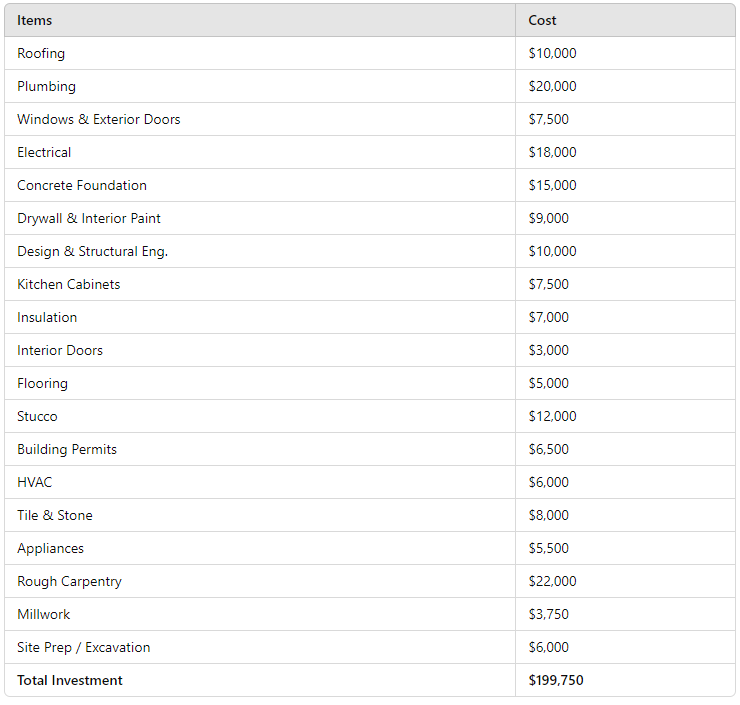
Decoding the ADU Cost Spectrum: What Drives the Price?
The price of an ADU is rarely simple. It's a complex equation with many variables, and the range is enormous. Location is a huge factor. Construction costs in Southern California, for example, will almost always be higher than in more rural areas of the state. Within Southern California, costs also vary significantly between cities like Los Angeles and San Diego.
Size and complexity of the design are major drivers. A simple studio ADU will cost considerably less than a two-bedroom unit with a full kitchen and bathroom. Custom designs with unique features will also increase the price. The type of foundation required—slab, pier and beam, or basement—also impacts costs, with basements generally being the most expensive.
Choosing between new construction and a conversion significantly alters the budget. New construction offers more flexibility in design but requires more extensive site preparation and permitting. Conversions, like turning a garage into an ADU, can be faster and cheaper if the existing structure is in good condition. However, don't underestimate the potential for hidden costs in conversions, like necessary electrical or plumbing upgrades.
Material choices have a very real impact. For flooring, you might see laminate running around $3-$7 per square foot, while hardwood could easily be $8-$15. Siding options range from vinyl at $4-$8 per square foot to wood at $10-$20. Appliances are another area where costs can quickly escalate. A basic appliance package might cost $3,000, while a high-end package could exceed $10,000. Don't forget about countertops – quartz, granite, and solid surface options all come with different price tags.
- Location: Southern California is more expensive than rural areas.
- Size: Studio ADUs are cheaper than two-bedroom units.
- Design Complexity: Custom designs add cost.
- Foundation Type: Basements are the most expensive.
New Construction vs. ADU Conversion: A Head-to-Head Cost Comparison
Deciding whether to build new or convert an existing space is one of the first major decisions you'll make. New construction generally falls in the $200-$450 per square foot range, while conversions can sometimes be done for less – but that's not always the case. A 600 square foot new build could easily cost between $120,000 and $270,000. A conversion of the same size might come in under $100,000, but that’s optimistic.
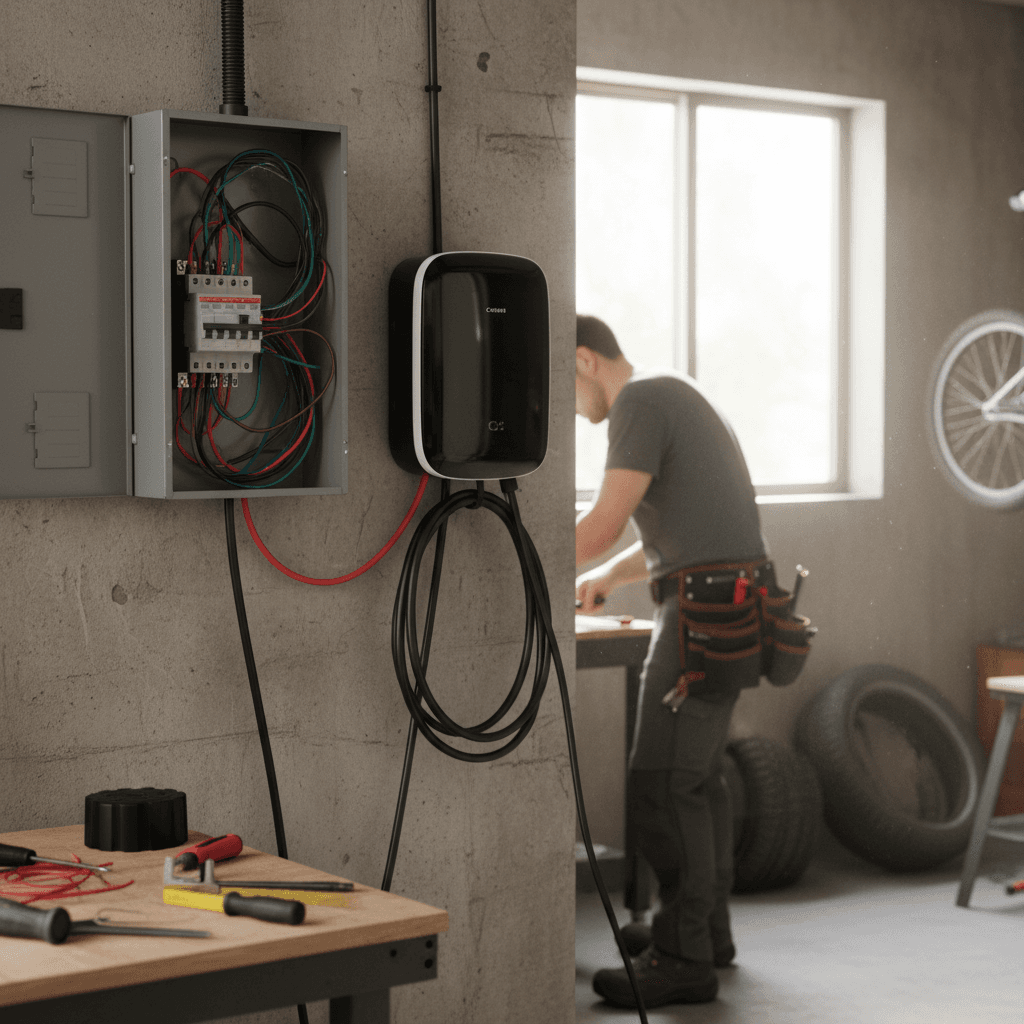
The hidden costs of conversions are often underestimated. A garage, for instance, might need a new foundation to meet building codes. Electrical systems often require upgrades to handle the increased load. Plumbing needs to be extended, and insulation may need to be added. Bringing the space up to code can quickly add tens of thousands of dollars to the project.
Let’s look at a specific example. Converting a detached garage might seem straightforward, but if the foundation is cracked or the roof needs repair, you’re immediately looking at an additional $10,000-$20,000. If the garage lacks proper insulation and ventilation, you’ll need to address those issues, adding another $5,000-$10,000. These costs can quickly erase any initial savings.
New construction offers more design flexibility. You can tailor the space to your exact needs and preferences. However, it also involves more extensive permitting and site preparation. Ultimately, the best option depends on your specific property, budget, and design goals. A thorough assessment of both options is crucial.
ADU Construction Costs: New Construction vs. Conversion (2024 Estimates)
| Cost Category | New Construction (500 sq ft) | ADU Conversion (500 sq ft - existing space) | Notes |
|---|---|---|---|
| Design & Permitting | $8,000 - $20,000 | $4,000 - $10,000 | Conversion costs lower due to less extensive architectural plans; permitting still required. |
| Foundation (if required) | $15,000 - $30,000 | $0 - $5,000 | New construction always requires a foundation. Conversions may only need minor foundation work if slab-on-grade. |
| Framing | $25,000 - $40,000 | $10,000 - $20,000 | Conversion costs lower as existing structure provides framing. New construction includes all framing materials and labor. |
| Plumbing | $10,000 - $20,000 | $8,000 - $15,000 | New construction requires running all new plumbing lines. Conversions can utilize existing lines, reducing costs. |
| Electrical | $12,000 - $25,000 | $8,000 - $18,000 | Similar to plumbing, new construction requires complete wiring. Conversions may leverage existing electrical panel capacity. |
| Interior Finishes (including appliances) | $30,000 - $60,000 | $20,000 - $40,000 | Includes flooring, cabinetry, countertops, bathroom fixtures, and kitchen appliances. Conversion costs depend on existing finish level. |
| Total Estimated Cost | $100,000 - $250,000 | $50,000 - $120,000 | These are estimates. Actual costs vary significantly based on location, materials, and complexity. California averages range $150-$450/sq ft. |
| Cost per Square Foot | $200 - $500 | $100 - $240 | Reflects the total cost divided by the 500 sq ft area. Conversion ADUs are significantly cheaper per square foot. |
Data sourced from AI research — verify before making decisions
Material Choices and Finishes: Where You Can Save (and Where You Shouldn’t)
Material selections are where you have a lot of control over the final cost of your ADU. It's tempting to cut corners, but be strategic. Flooring is a good place to start. Laminate or luxury vinyl plank (LVP) offer a cost-effective alternative to hardwood, with prices ranging from $3 to $7 per square foot versus $8 to $15 for hardwood.
Siding is another area where you can save. Vinyl siding is significantly cheaper than wood, but it doesn't have the same aesthetic appeal or durability. Consider fiber cement siding as a middle ground – it's more expensive than vinyl but offers better performance and a more natural look. Appliance packages are a big-ticket item. You can save money by opting for basic models, but don't sacrifice quality entirely.
Countertops offer a wide range of options. Laminate is the most affordable, but it's also the least durable. Quartz and granite are more expensive but offer superior performance and aesthetics. It's often wise to spend a little more on countertops, as they're a focal point in the kitchen and bathroom.
However, there are areas where you shouldn’t skimp. Insulation is one of them. Proper insulation will save you money on energy bills in the long run and make the ADU more comfortable. Electrical and plumbing work should always be done by licensed professionals. Cutting corners on these areas could lead to safety hazards and costly repairs down the road.
Permitting and Design Fees: The Often-Overlooked Expenses
Don't underestimate the cost of permitting and design fees. These expenses can add up to 10-20% of the total project cost. Architectural plans are essential, and you'll need to hire a qualified architect or designer. Expect to pay between $5,000 and $15,000 for a complete set of plans, depending on the complexity of the design.
Engineering reports are often required to ensure the structural integrity of the ADU. These reports can cost between $1,000 and $5,000, depending on the scope of the work. Permit applications themselves can range from $500 to $2,000, depending on the city and the size of the ADU. Inspections are also required at various stages of construction, and each inspection comes with a fee.
These fees vary significantly by location within California. Cities with stricter building codes and more complex permitting processes tend to have higher fees. Delays are common, so factor in extra time and money for potential setbacks. A good contractor will be familiar with the local permitting process and can help you navigate the bureaucracy.
To minimize delays, submit a complete and accurate application. Be prepared to address any questions or concerns from the building department promptly. It’s also helpful to build a good relationship with the local building inspectors. A proactive approach can save you time and money in the long run.
- Architectural Plans: $5,000 - $15,000
- Engineering Reports: $1,000 - $5,000
- Permit Applications: $500 - $2,000
- Inspections: Variable, depending on the number of inspections required.
Budget-Friendly ADU Options: Garage Conversions, JADUs, and Prefabricated Units
If you’re looking to minimize costs, consider these three options. Garage conversions are often the most affordable, especially if the garage is already in good condition. As we discussed earlier, costs can range from $50,000 to $150,000, depending on the extent of the renovations. Junior ADUs (JADUs) are another cost-effective option. These smaller units are typically under 500 square feet and have more relaxed building requirements.
JADUs are often simpler to permit and can be a good option if you only need a small rental unit. Prefabricated or modular ADUs are gaining popularity. These units are built in a factory and then transported to your property for installation. They offer reduced labor costs and faster construction times. Companies like ADU Garage and Modern Prefab offer a range of options.
Prefabricated units typically cost between $150 and $300 per square foot, including installation. However, you’ll still need to factor in site preparation costs, such as foundation work and utility connections. The cost of a 600 square foot prefabricated ADU could be around $90,000 to $180,000. Remember that these are estimates, and the actual cost will vary depending on the specific unit and your location.
Each option has its trade-offs. Conversions may require more renovations, JADUs are limited in size, and prefabricated units may require more site preparation. Carefully consider your needs and budget before making a decision. It's also worth noting that some cities offer incentives or rebates for building ADUs, so be sure to check with your local government.
Financing Your ADU Project: Loans, Grants, and Other Options
Funding an ADU project requires careful planning. Home equity loans are a common option, allowing you to borrow against the equity in your home. Construction loans are specifically designed for renovation or new construction projects. These loans typically have higher interest rates than home equity loans, but they may offer more favorable terms.
Government grants and incentives are also available in some areas. The California Housing Finance Agency (CalHFA) offers programs to help homeowners finance ADUs. Check with your local city and county for additional incentives. Be aware that eligibility requirements can be strict, and the application process can be competitive.
Building an ADU could impact your property taxes. In some cases, the assessed value of your property may increase after the ADU is completed, leading to higher property tax bills. It's important to understand the potential tax implications before you start construction. Consult with a tax advisor to get personalized advice.
Carefully compare interest rates, fees, and repayment terms before choosing a financing option. Consider the long-term financial implications of the loan and make sure you can comfortably afford the monthly payments. A well-planned financing strategy is essential for a successful ADU project.
- Home Equity Loans: Borrow against your home's equity.
- Construction Loans: Specifically for renovation/new builds.
- CalHFA Programs: State-level assistance.
- Local Incentives: Check with your city/county.
Essential Books for Your ADU Construction Journey in 2024
Comprehensive overview of ADU types · Design and planning strategies · Case studies and examples
This book offers a broad understanding of ADU possibilities, helping readers visualize potential projects and understand the scope of construction.
Detailed construction processes · Material selection guidance · Understanding building codes
While not solely focused on ADUs, this guide provides fundamental construction knowledge essential for any DIY or contractor-assisted build.
Focus on cost-effective solutions · Permitting and zoning information · Financing options
This book directly addresses the cost aspect of ADUs, providing practical advice on budgeting, financing, and navigating the permitting process.
Space-saving design principles · Efficient building techniques · DIY project focus
Many ADUs share similarities with tiny homes in terms of size and efficiency, making this guide valuable for compact construction strategies.
Official California building regulations · Updated code information · Essential for compliance
For readers in California, understanding the specific Title 24 building codes is non-negotiable for legal ADU construction and permitting.
As an Amazon Associate I earn from qualifying purchases. Prices may vary.
Real-World ADU Cost Examples: Case Studies from Across California
Let's look at some real-world examples. In Los Angeles, a homeowner converted a detached garage into a 500 square foot ADU. The total cost, including permitting and renovations, was $85,000. In San Diego, a homeowner built a new 700 square foot ADU from the ground up. The project cost $220,000, including all labor and materials.
In Sacramento, a homeowner installed a prefabricated 650 square foot ADU. The total cost, including site preparation and installation, was $160,000. These examples demonstrate the wide range of costs associated with ADU projects. The final cost will depend on the size, complexity, and location of the ADU, as well as the materials and finishes you choose.
These projects weren’t without their challenges. The Los Angeles homeowner encountered unexpected plumbing issues during the garage conversion, adding $5,000 to the budget. The San Diego homeowner faced delays in the permitting process, pushing back the completion date by several weeks. The Sacramento homeowner had to pay extra for site preparation due to uneven terrain. These experiences highlight the importance of careful planning and a realistic budget.
No comments yet. Be the first to share your thoughts!