

EV Charger Costs: A 2026 Snapshot
The electric vehicle market is growing fast, increasing the need for charging stations at homes, workplaces, and public areas. Costs for installing EV chargers depend on the charger type, installation difficulty, and location.
EV charging has three main levels. Level 1 uses a standard 120-volt outlet, offering the slowest charge and typically no extra installation costs. Level 2, common for homes and workplaces, uses a 240-volt outlet and needs professional installation. DC Fast Charging is the fastest but most expensive, usually at public stations, requiring major electrical upgrades. The cost varies significantly between these levels.
By 2026, charger prices are changing. While component costs are decreasing, labor shortages and supply chain issues can cause price swings. Advanced features like smart charging and V2G technology increase costs, even as basic models become cheaper. Costs differ based on installation type.
Residential Charger Installation: Breaking Down Costs
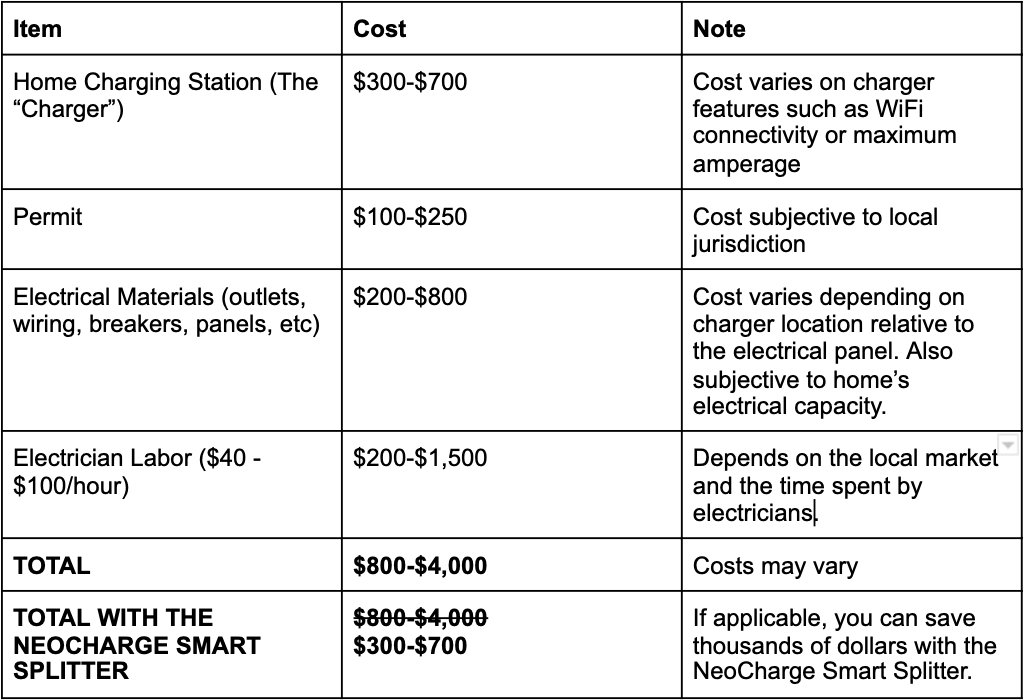
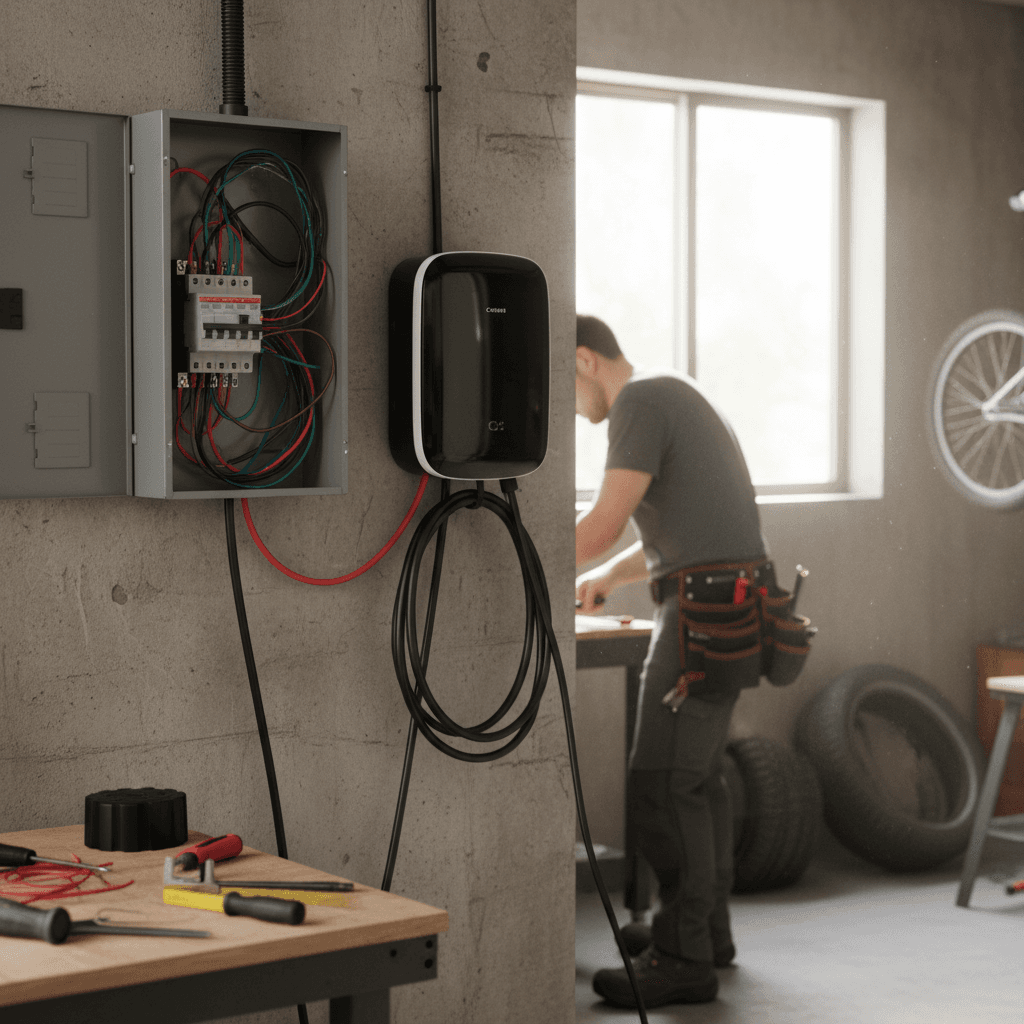
Home EV charger installation is usually simple, but costs vary. The charger itself costs $400 to $1200 for a basic Level 2 model, depending on features and amperage. An electrical panel upgrade is often the largest expense, potentially adding $1000 to $5000 or more if the home lacks capacity for a 240-volt charger.
Wiring a dedicated 240-volt circuit costs $300 to $800, depending on the distance and complexity. Permits for electrical work typically range from $50 to $300. Electrician labor adds another $200 to $600, based on the job and local rates.
Your home's existing electrical capacity is the main cost driver. If your panel has enough spare capacity and the charger is close by, installation might cost $700 to $1500. However, if a panel upgrade is needed and the wiring run is long, costs can exceed $6000. Get a professional assessment before buying a charger.
Cosmetic work, like patching and painting walls or ceilings after wiring, can add $100 to $500.
Level 2 Home Charger Costs: A Deeper Dive
Level 2 chargers are ideal for most homeowners, offering faster charging than Level 1 without the high cost of DC Fast Charging. Popular brands include Tesla, ChargePoint, Wallbox, and JuiceBox. Prices range from $400 for basic models to over $1200 for smart chargers with advanced features.
Smart chargers provide features like remote monitoring and scheduling, adding $100 to $300 to the cost. Some integrate with utility programs for potential rebates or lower rates during off-peak hours.
Amperage is important. Most Level 2 chargers are 32-amp or 40-amp, with some up to 48 amps. Higher amperage charges faster but needs a dedicated circuit and possibly thicker wiring. A 48-amp charger may need a larger panel upgrade than a 32-amp model. A typical 40-amp installation with wiring and minor panel adjustment costs $1200 to $2500.
A complex setup with a full panel upgrade and long wiring for a 48-amp charger can cost $4000 to $6000. An electrician should assess your system to recommend the right amperage and charger type.
- Tesla Wall Connector: ~$550 - $750 (requires Tesla vehicle or adapter)
- ChargePoint Home Flex: ~$600 - $900 (smart features, adjustable amperage)
- Wallbox Pulsar Plus: ~$500 - $800 (compact design, smart features)
- JuiceBox 40: ~$450 - $650 (reliable, various amperage options)
Featured Products

UL Certified · Indoor/Outdoor Use · Up to 40 Amp Charging
A cost-effective and durable option for reliable residential EV charging.
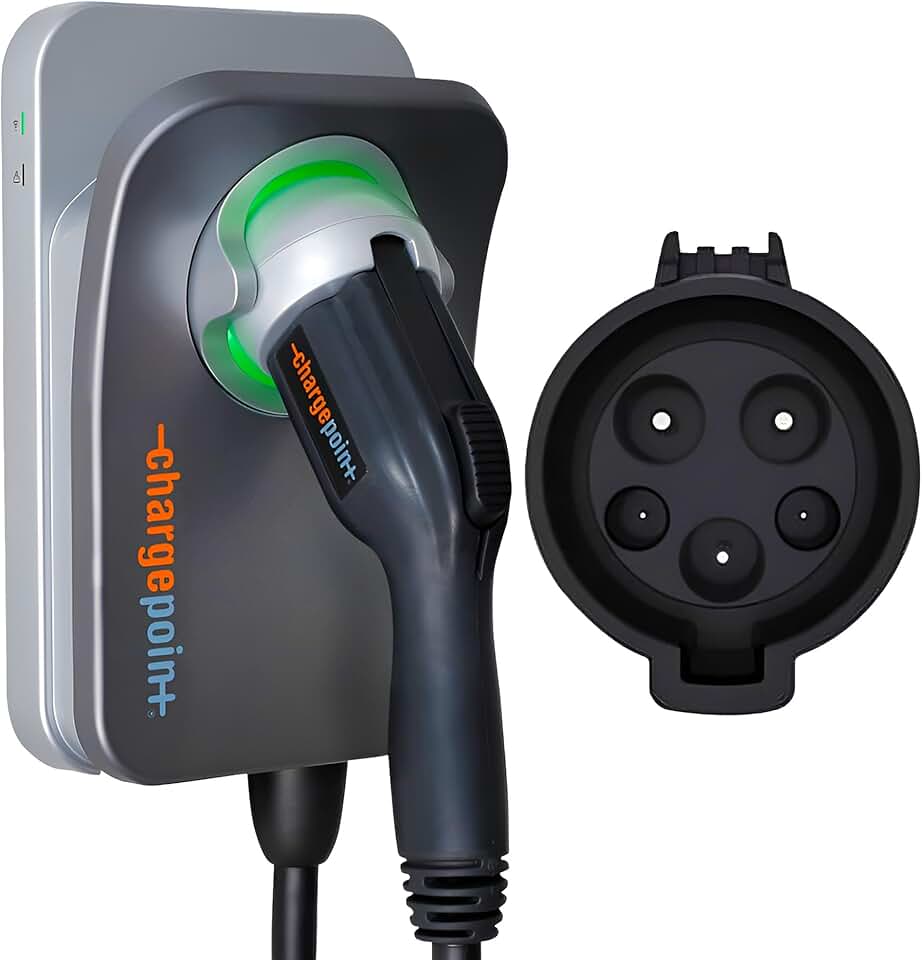
Smart Charging Features · Hardwired Installation · Level 2 Charging
Provides smart charging capabilities and a secure hardwired connection for home EV owners.
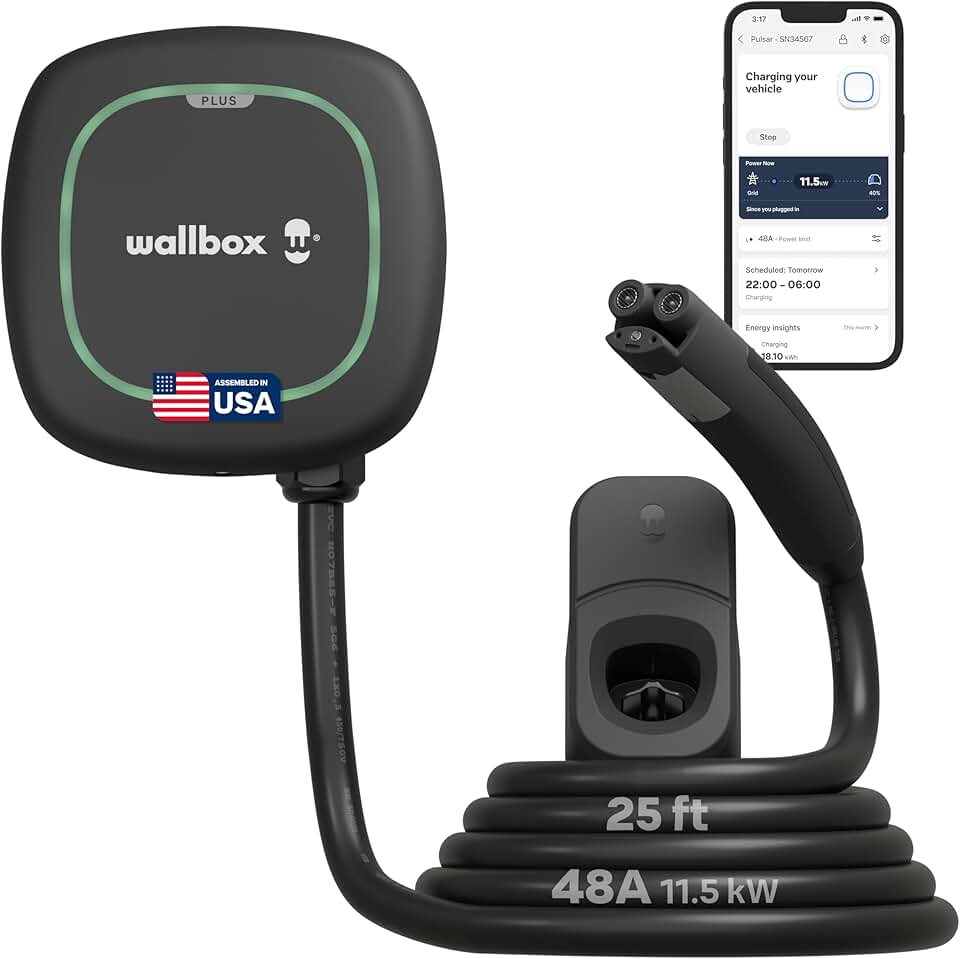
48 Amp / 11.5kW Charging · NACS and J1772 Compatibility · Energy Star and UL Certified
A high-power, versatile charger with broad EV compatibility and energy efficiency certifications.
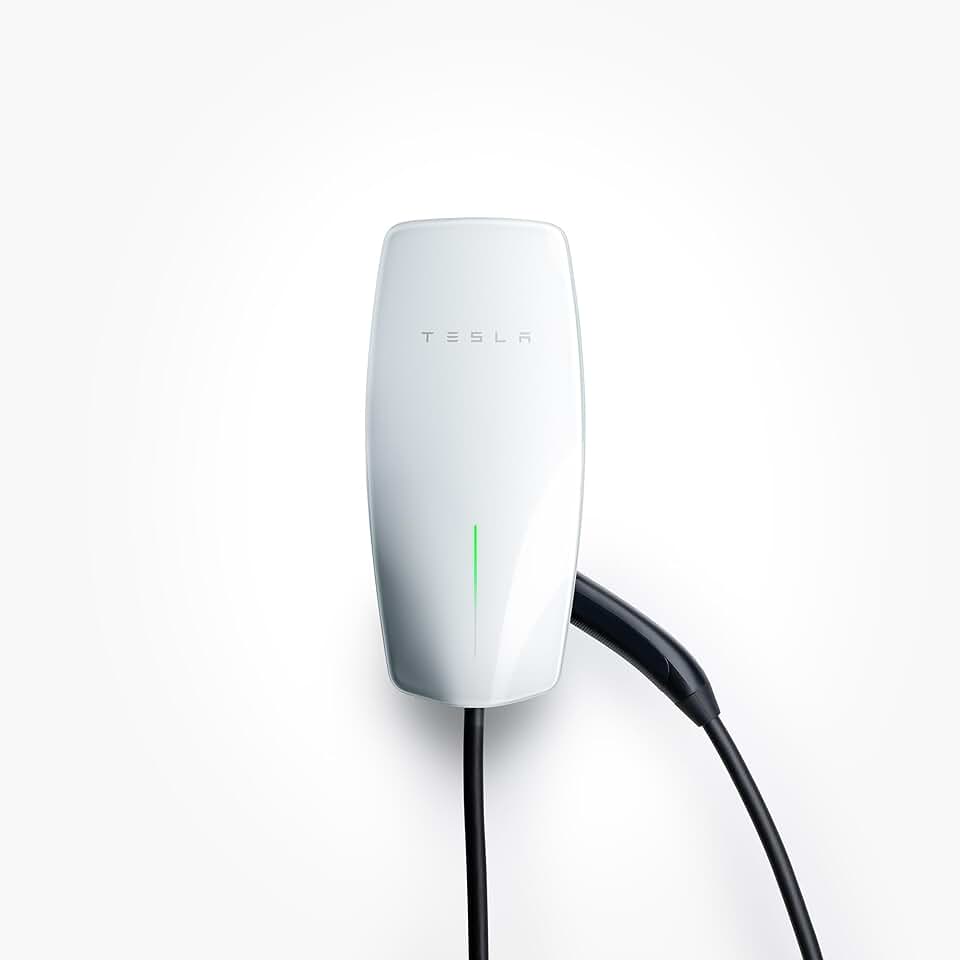
Dual Plug (NACS + J1772) · Compatible with All North American EVs · Level 2 Charging
Offers unparalleled compatibility for virtually all electric vehicles with its dual connector design.

Smart Charging Features · NEMA 14-50 Plug · Level 2 Charging
A smart and convenient Level 2 charging solution for homeowners with a NEMA 14-50 outlet.
As an Amazon Associate I earn from qualifying purchases. Prices may vary.
Commercial Charging Station Costs: A Complex Equation
Commercial EV charging station installations are more complex and costly than residential ones. Costs depend on the number of chargers, charging level (Level 2 or DC Fast Charging), and site factors. Level 2 chargers work for workplaces and destinations where cars park for hours. DC Fast Chargers are best for highway rest stops needing quick charging.
Site preparation can be a major expense, including paving, concrete, landscaping, and ADA compliance. Electrical upgrades are almost always needed, possibly involving a new transformer, service entrance, and dedicated circuits. These upgrades can cost $10,000 to $50,000 or more, depending on existing capacity.
Commercial chargers need networking and payment systems for monitoring, tracking, and processing payments. Costs range from $50 to $200 per charger monthly, depending on the provider and features. Ongoing maintenance, including inspections, repairs, and updates, is also important. A maintenance contract can cost several hundred dollars per charger annually.
The number of chargers greatly affects the total cost. A single Level 2 charger costs $3,000 to $10,000 installed. Ten chargers could cost $30,000 to $100,000. A single DC Fast Charger can cost over $50,000 installed, with multi-charger stations costing hundreds of thousands.
DC Fast Charger Costs: The High-End Investment
DC Fast Chargers are the most expensive upfront investment. The chargers alone cost $30,000 to $100,000 each, based on power and features. Charger cost is often a small part of the total installation. The necessary electrical infrastructure is extensive, usually needing a dedicated high-voltage transformer and major service upgrades.
These upgrades can add $50,000 to $200,000 or more. Permits and inspections are stricter for DC Fast Chargers, increasing time and cost. Grid capacity is a concern, as many areas need power grid upgrades for DC Fast Charging's high demand.
undefineds crucial to conduct a thorough feasibility study to assess the potential revenue and ensure the investment is financially viable. It's not uncommon for a DC Fast Charging station to require a multi-year payback period.
Permitting and Incentives: Reducing Your Costs
The permitting process for EV charger installation varies significantly by location. Residential installations typically require a simple electrical permit, while commercial installations may require multiple permits related to electrical work, building codes, and ADA compliance. Permit fees can range from a few dollars to several hundred dollars, depending on the scope of the project.
Fortunately, numerous federal, state, and local incentives are available to help offset the cost of EV charger installation. The federal tax credit for EV charging equipment currently covers 30% of the cost, up to a certain limit. Many states offer additional rebates and grants. The Database of State Incentives for Renewables & Efficiency (DSIRE) is a valuable resource for finding incentives in your area:
Utility companies also often offer incentives for EV charger installation, particularly for demand response programs. These programs incentivize customers to charge their EVs during off-peak hours, reducing strain on the grid. It’s essential to research all available incentives before starting your project to maximize your savings.
Electric Vehicle Charging Station Incentives by State (Late 2026)
| State | Incentive Type | Maximum Amount | Eligibility Requirements |
|---|---|---|---|
| California | Rebate | Up to $1,000 | Purchase of a Level 2 charger; income limitations may apply for certain programs. |
| Massachusetts | Tax Credit | Up to $3,000 | Residential installation of EVSE; must meet safety standards. |
| Colorado | Rebate | Up to $900 | Purchase and installation of a qualifying Level 2 charger; requires pre-approval. |
| Oregon | Rebate | Up to $2,500 | Residential and commercial installations; income qualifications for residential rebates. |
| New York | Rebate | Up to $2,000 | Purchase and installation of a Level 2 charger; participation in a utility program may be required. |
| Florida | Grant | Varies | Commercial installations focused on public access charging; competitive application process. |
| Texas | Tax Credit | Up to $2,500 | Residential and commercial installations; must meet certain energy efficiency standards. |
| Illinois | Rebate | Up to $4,000 | Commercial installations in disadvantaged communities; focused on increasing access to charging. |
Illustrative comparison based on the article research brief. Verify current pricing, limits, and product details in the official docs before relying on it.
Ongoing Costs: Maintenance and Operation
The costs associated with EV charging don’t end with installation. Regular maintenance is essential to ensure the charging station operates safely and reliably. This includes periodic inspections, cleaning, and software updates. Repairs and replacements may be necessary over time, particularly for components like cables and connectors. A proactive maintenance plan can help minimize downtime and extend the lifespan of the charger.
Electricity usage is a significant ongoing cost. The cost per kWh varies depending on your location and electricity provider. For commercial stations, network fees for remote monitoring and payment processing can add to the operating expenses. Customer support costs may also be incurred, especially for public charging stations. Usage patterns directly affect these costs, with higher utilization rates leading to increased electricity consumption and maintenance needs.
Future Cost Trends: What to Expect
Several factors are likely to influence EV charger costs in the coming years. Technological advancements, particularly in power electronics and battery technology, could drive down the cost of chargers themselves. Increased demand and economies of scale should also contribute to lower prices. However, potential supply chain disruptions and labor shortages could offset these gains.
The development of smart grids and vehicle-to-grid (V2G) technology could also impact charging costs. Smart grids can optimize charging schedules to reduce strain on the grid and lower electricity rates. V2G technology allows EVs to send power back to the grid, potentially generating revenue for EV owners. Predicting the future is always difficult, but it's reasonable to expect continued innovation and cost reductions in the EV charging space.
Government policies will also play a role. Increased incentives and regulations promoting EV adoption could accelerate the deployment of charging infrastructure and drive down costs. However, unexpected policy changes could also create uncertainty. The overall trend suggests that EV charging will become more affordable and accessible in the years to come, but careful planning and cost analysis remain essential.
No comments yet. Be the first to share your thoughts!