

EV charger costs in 2026
EV charger installation costs for 2026 depend heavily on copper prices and local labor rates. While supply chains have stabilized since the pandemic, electricians are charging more as demand for home electrification grows. Budgeting for a charger now requires looking at the hardware and the raw materials needed for the run.
Right now, predicting precise costs is difficult. Supply chain issues that plagued the industry in recent years are easing, but geopolitical events can quickly disrupt things. Material costs, while stabilizing, remain higher than pre-pandemic levels. We’re seeing a shift towards more sophisticated charging technology, like smart chargers with load management features, which adds to the upfront investment. This overview aims to provide a realistic picture of what to expect, acknowledging the inherent uncertainty in these projections.
We'll break down the costs for both residential and commercial installations, giving you a solid foundation for budgeting. Keep in mind that these are estimates, and getting quotes from qualified installers is essential for accurate pricing. The cost of an EV charger isn't just the unit itself; it's the entire process, from initial assessment to final inspection.
Residential installation expenses
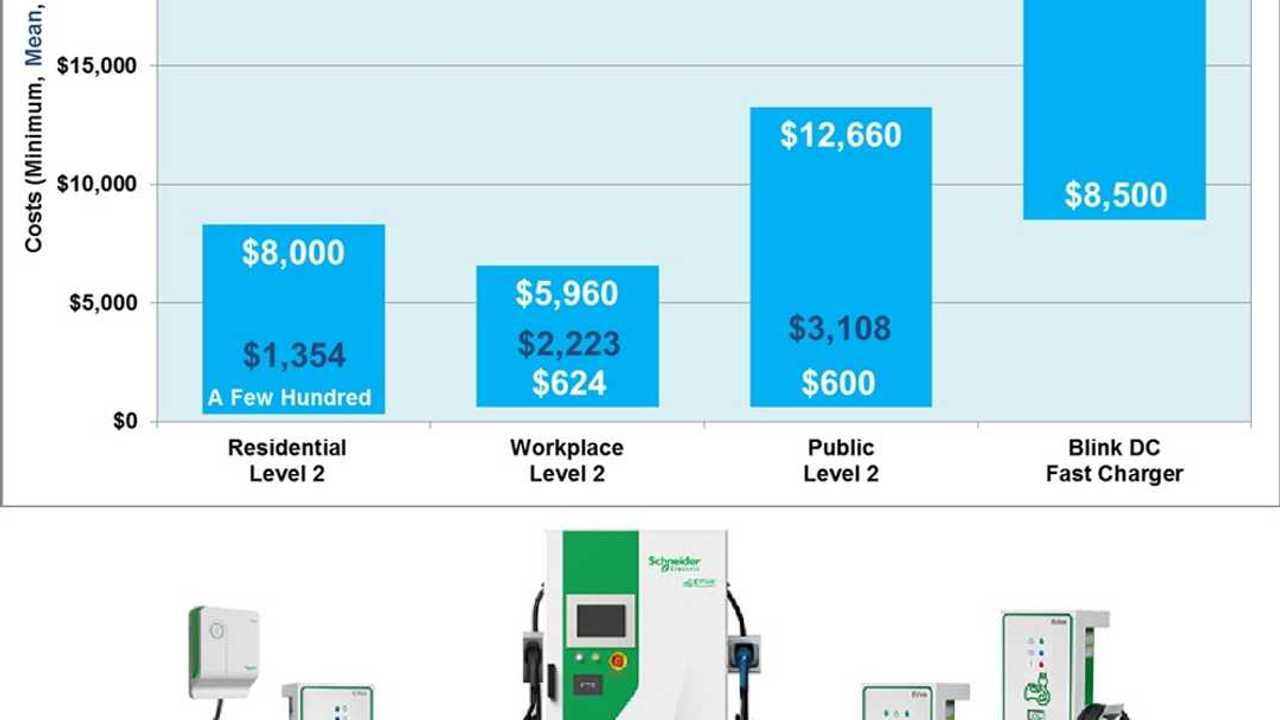
For most homeowners, a Level 2 charger is the sweet spot – it provides a significant charging speed increase over a standard Level 1 charger (the one that comes with the EV) without the high cost of DC fast charging. The charger unit itself can range from $500 to $1,200, depending on amperage and features like Wi-Fi connectivity and smart charging capabilities. Brands like Tesla, ChargePoint, and Wallbox offer popular options.
However, the charger is often the smallest part of the cost. The biggest potential expense is an electrical panel upgrade. Many older homes don’t have the electrical capacity to support a 240-volt circuit for a Level 2 charger. Upgrading the panel can easily add $1,000 to $3,000 or more, depending on the scope of work. You'll also need to factor in the cost of wiring (typically $5 to $10 per foot), conduit ($2 to $5 per foot), permits (ranging from $50 to $300 depending on location), and labor (typically $100 to $200 per hour).
A dedicated circuit is almost always required for a Level 2 charger. This means running a new 240-volt line from your electrical panel to the charger location. The complexity of this wiring run – distance, obstacles, whether it’s indoors or outdoors – will significantly impact the labor cost. Don't forget to check for local rebates or tax credits, which can help offset some of these expenses. The federal tax credit for EV charger installation can cover 30% of the cost, up to a certain amount.
An electrician needs to check your panel capacity before you buy a unit. If the panel is full, you'll face an immediate upgrade cost. They also identify the shortest path for the conduit, which keeps material costs down. Skipping this check usually leads to mid-project price hikes.
Here's a rough estimate of residential Level 2 charger installation costs:
Charger Unit: $500 - $1,200
Electrical Panel Upgrade (if needed): $1,000 - $3,000+
Wiring & Conduit: $100 - $500
Permits: $50 - $300
Labor: $300 - $800
Total: $1,950 - $5,800+
Commercial charging requirements
Commercial EV charging installations are significantly more complex and expensive than residential setups. Businesses have different needs – often requiring multiple chargers, faster charging speeds, and network connectivity for billing and access control. The level of charger dictates a lot of the cost. Level 2 chargers are suitable for workplaces where vehicles are parked for extended periods, while DC Fast Chargers (DCFC) are essential for locations like highway rest stops or fleet depots.
DCFC installations are substantially more expensive, with costs ranging from $20,000 to $80,000 per charger, depending on the power level and site preparation needs. Level 2 chargers for commercial use typically fall in the $3,000 to $10,000 range per charger. Beyond the unit cost, site assessment is crucial – evaluating the existing electrical infrastructure and determining the necessary upgrades. This can involve trenching, digging, and running new electrical services, potentially requiring coordination with utility companies.
Transformer upgrades are frequently necessary for commercial installations, especially for DCFC. This can be a major expense, potentially costing tens of thousands of dollars. Networking and software costs are also significant, as businesses need a system to manage access, track usage, and process payments. These systems can range from a few hundred to several thousand dollars per year.
ADA compliance is another important consideration for commercial installations. Charging stations must be accessible to individuals with disabilities, requiring specific parking space dimensions and charger placement. Permitting processes are typically more involved for businesses, often requiring detailed site plans and engineering drawings. Load management is critical to prevent overloading the electrical system. This involves software and hardware that intelligently distributes power among the chargers.
Ongoing maintenance is also a factor. Commercial chargers require regular inspections and maintenance to ensure reliable operation. This can include software updates, hardware repairs, and network monitoring. Expect to budget for these expenses in your long-term cost analysis.
Variables that change the price
Several variables significantly impact the final cost of an EV charging station installation. Location is a big one. Rural areas often have higher labor costs and longer lead times for materials. Urban areas may face permitting challenges and limited space for installation. The ease of access for electricians to the installation site also plays a role – difficult access increases labor costs.
Charger speed is a primary cost driver. Level 2 chargers are less expensive than DCFC, but they charge vehicles much slower. The brand reputation and features also influence the price. Established brands like Tesla and ChargePoint often command a premium. Smart charging features, like remote monitoring and load management, add to the cost.
Demand response capabilities – the ability to adjust charging rates based on grid conditions – can qualify for incentives but also increase the initial investment. The number of chargers you're installing at once can also impact the price; bulk discounts are often available. Finally, the condition of your existing electrical infrastructure is a major factor. If your electrical panel is old or undersized, you'll need to factor in the cost of an upgrade.
Charging Station Comparison
- Level 2 Chargers - Most common for home and workplace charging; offer a significant charging speed increase over Level 1.
- DC Fast Chargers (Level 3) - Primarily used in public charging stations, providing the fastest charging speeds, but with higher installation costs.
- Portable Chargers (Level 1) - Typically come with the EV; utilize a standard household outlet and are the slowest charging option.
- Permitting Fees - Vary significantly by location; commercial installations generally require more extensive permitting than residential.
- Electrical Panel Upgrades - Often necessary, especially for Level 2 and Level 3 chargers; costs depend on existing panel capacity and required amperage.
- Trenching & Wiring - Required to run electrical conduit from the panel to the charger location; costs depend on distance and terrain.
- Demand Charges (Commercial) - Utilities may impose demand charges based on peak electrical usage, impacting the total cost of operation for commercial installations.
- Network Connectivity Fees - For smart chargers, ongoing fees may apply for network access, usage monitoring, and payment processing (common in commercial settings).
Permitting and Inspections: Hidden Costs
Don't underestimate the cost and time involved in permitting and inspections. Most jurisdictions require permits for EV charger installations, even for residential setups. Permitting fees can range from $50 to $300 or more, depending on your location and the complexity of the project. The process can take several weeks, or even months, depending on the backlog at your local building department.
Inspections are also required to ensure that the installation meets safety standards. Delays in permitting or inspections can push back your project timeline. Some installers will handle the permitting process as part of their service, which can save you time and hassle. It's worth asking about this when getting quotes. Being prepared with the necessary documentation and understanding your local requirements can help streamline the process.
Featured Products

Level 2 charging · Up to 48A charging speed · NACS connector
This charger is a popular choice for Tesla owners, offering high charging speeds and smart features for home use.
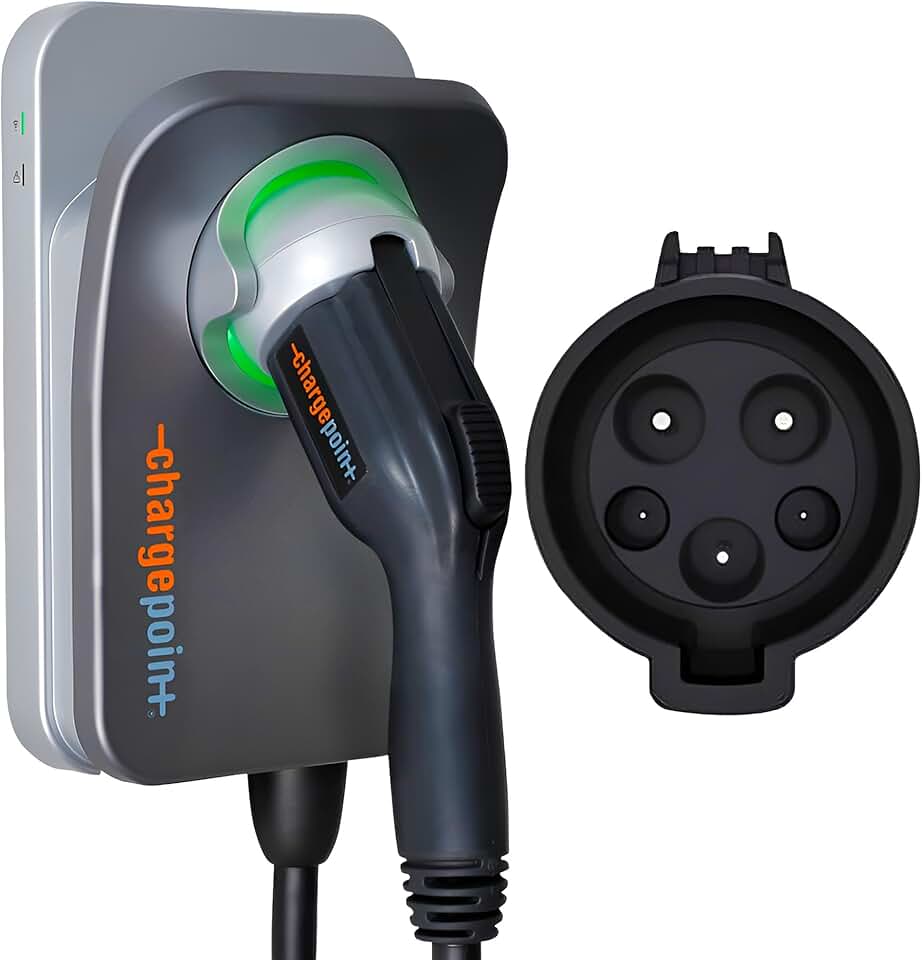
Level 2 charging · Smart charging capabilities · J1772 connector
The ChargePoint HomeFlex provides a reliable and smart charging solution for a wide range of electric vehicles, emphasizing ease of use and connectivity.
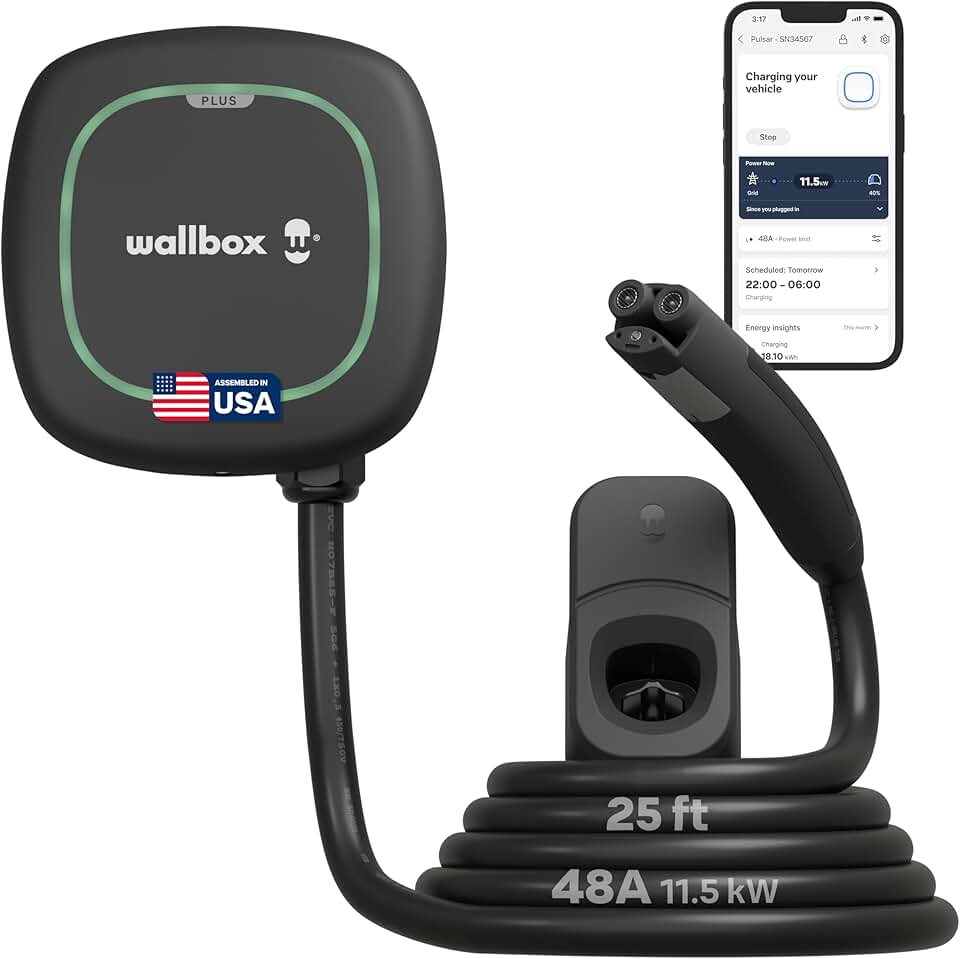
Level 2 charging · 48 Amp charging speed (11.5kW) · NACS connector for Tesla
This charger offers robust performance with high amperage and a long cable, suitable for both indoor and outdoor installations, and is compatible with Tesla vehicles.

Level 2 charging · 40 Amp charging speed · WiFi connectivity for smart features
The JuiceBox 40 is a smart, Wi-Fi enabled Level 2 charger that offers flexible installation options and is certified for safety and efficiency.

Level 2 charging · Up to 40 Amp charging speed · UL Certified
The Grizzl-E Classic provides a durable and cost-effective Level 2 charging solution, certified for safety and suitable for various environmental conditions.
As an Amazon Associate I earn from qualifying purchases. Prices may vary.
Ongoing Costs: Maintenance and Electricity
Operating costs include electricity and occasional hardware maintenance. Data from Kelley Blue Book shows that while charging is cheaper than gas, the gap narrows if you charge during peak utility hours. Commercial sites also have to account for network fees and demand charges based on peak usage spikes.
Regular inspections and preventative maintenance are important to ensure the reliable operation of your charger. This can include checking for loose connections, cleaning the unit, and updating software. For commercial installations, network fees may also apply. Demand charges, which are based on peak electricity usage, can be a significant expense for businesses with multiple chargers. Planning for these ongoing costs is essential for a complete cost analysis.
No comments yet. Be the first to share your thoughts!