

EV Charger Costs: A 2026 Snapshot
Demand for electric vehicles continues to rise, requiring more accessible and reliable charging infrastructure. EV charger costs are influenced by technological advancements, material costs, and government policies. The market offers options from basic Level 1 chargers to ultra-fast DC fast charging stations.
EV chargers come in three primary levels. Level 1 uses a standard 120-volt outlet, adding 3-5 miles of range per hour. Level 2, using a 240-volt outlet, is common for home and workplace charging, providing 12-80 miles of range per hour. DC fast charging (Level 3) offers the quickest speeds, adding 60-80 miles of range in 20 minutes, but at a higher price.
Government incentives, including federal tax credits and state/local rebates, can significantly offset EV charger installation costs. Staying informed about these evolving opportunities is important for reducing the overall investment and encouraging EV adoption.
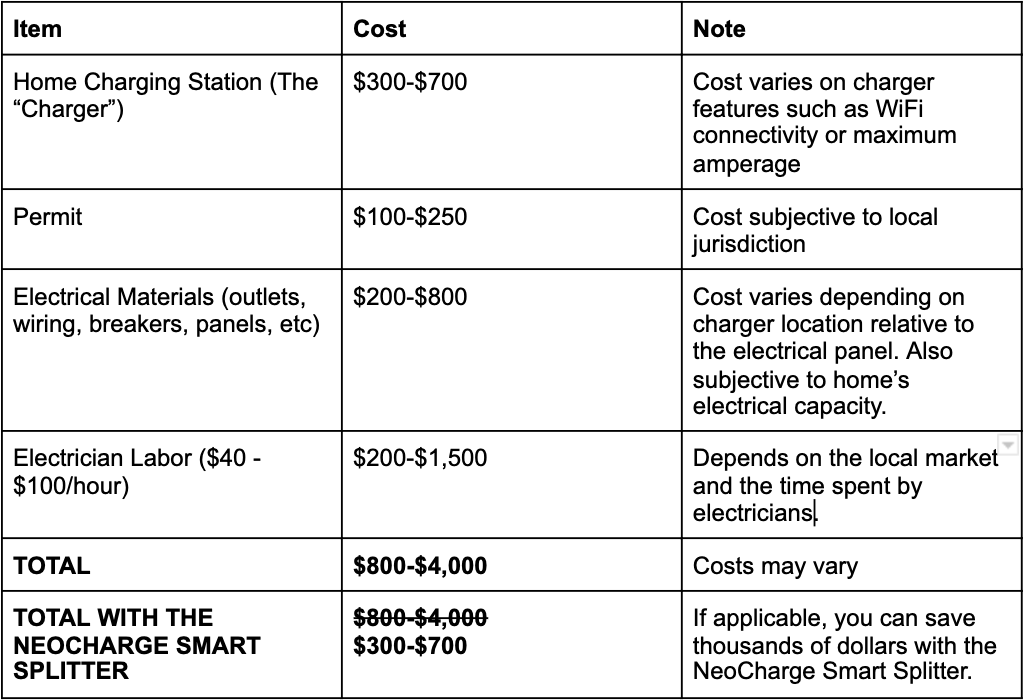
Residential Charger Installation: Breaking Down Expenses
For most homeowners, a Level 2 charger is the most practical option. The total expense includes the unit price ($400-$1,200) and other factors, with overall costs typically ranging from $500 to $2,000.
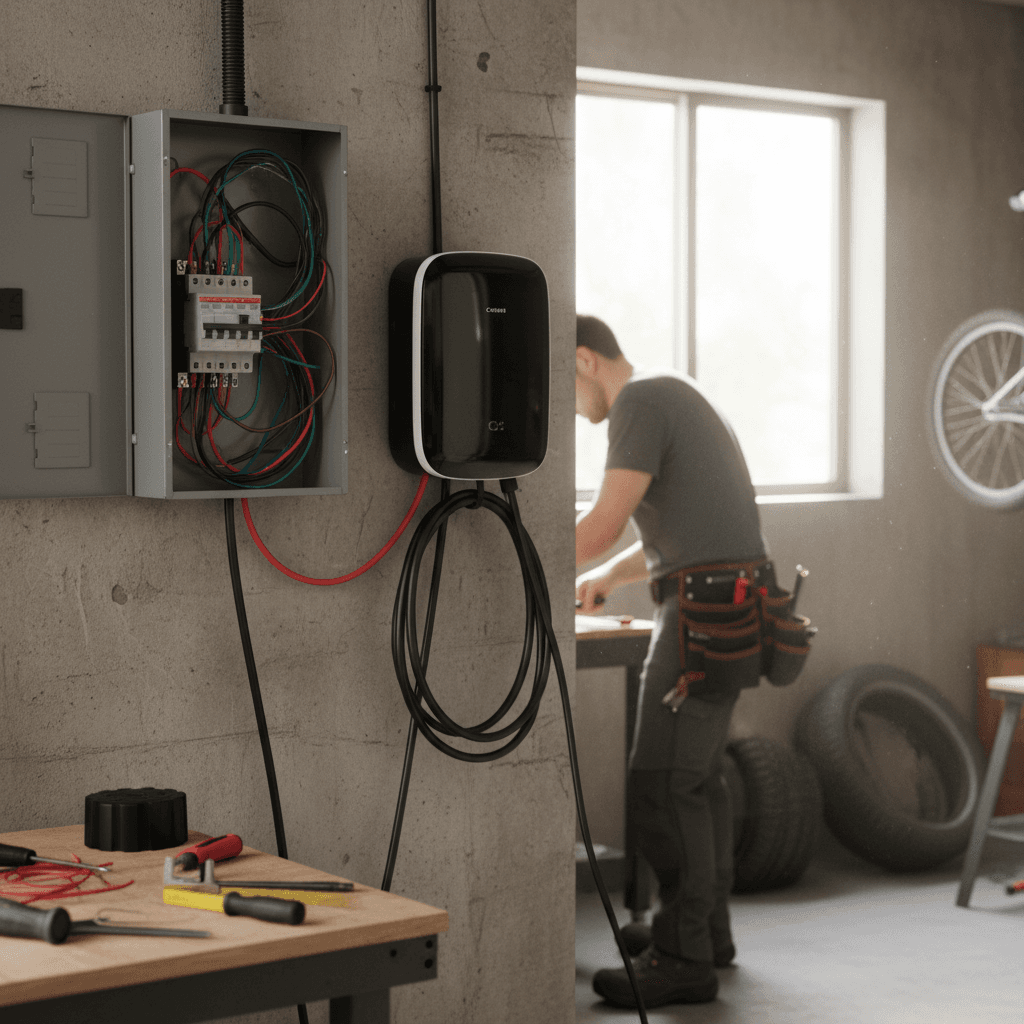
Wiring upgrades can be a significant expense. If your electrical panel lacks capacity, an upgrade can add $1,000-$3,000. Longer wiring runs between the panel and charger location also increase material and labor costs. Permits, typically $50-$300, are usually required.
Electrician labor costs range from $100-$200 per hour, depending on location and installation complexity. A simple installation may take 2-4 hours, while a complex one could take a full day. Utility companies often offer rebates, and the IRS offers a tax credit for 30% of the charger and installation cost, up to $1,000.
Older electrical systems and aluminum wiring can increase installation costs due to the need for special connectors and precautions. Getting multiple quotes from qualified electricians is recommended.
Level 2 Charger Options & Pricing (2026)
The Level 2 charger market in 2026 is quite competitive, offering a range of options to suit different needs and budgets. Tesla’s Wall Connector remains a popular choice, typically priced around $600 - $800, known for its sleek design and reliable performance. ChargePoint offers a variety of models, including the ChargePoint Home Flex, which ranges from $600 to $750, and is appreciated for its smart features and app control.
Enel X Way offers several options, including the JuiceBox 40, costing around $500 - $650. This charger is known for its affordability and ease of use. Emporia Energy’s Level 2 Smart EV Charger is a more budget-friendly option, often found for around $400 - $550, and boasts energy monitoring capabilities. Other brands like Grizzl-E are gaining traction, offering robust and portable charging solutions around $550 - $700.
Consider charging speed (kW), smart features (app control, scheduling), and safety certifications (UL or ETL listed). Higher amperage chargers charge faster, but ensure your vehicle and electrical panel can handle the load. Smart features enable monitoring, scheduling, and utilizing time-of-use electricity rates.
- Tesla Wall Connector: $600 - $800
- ChargePoint Home Flex: $600 - $750
- Enel X Way JuiceBox 40: $500 - $650
- Emporia Energy Level 2 Smart EV Charger: $400 - $550
- Grizzl-E: $550 - $700
Featured Products
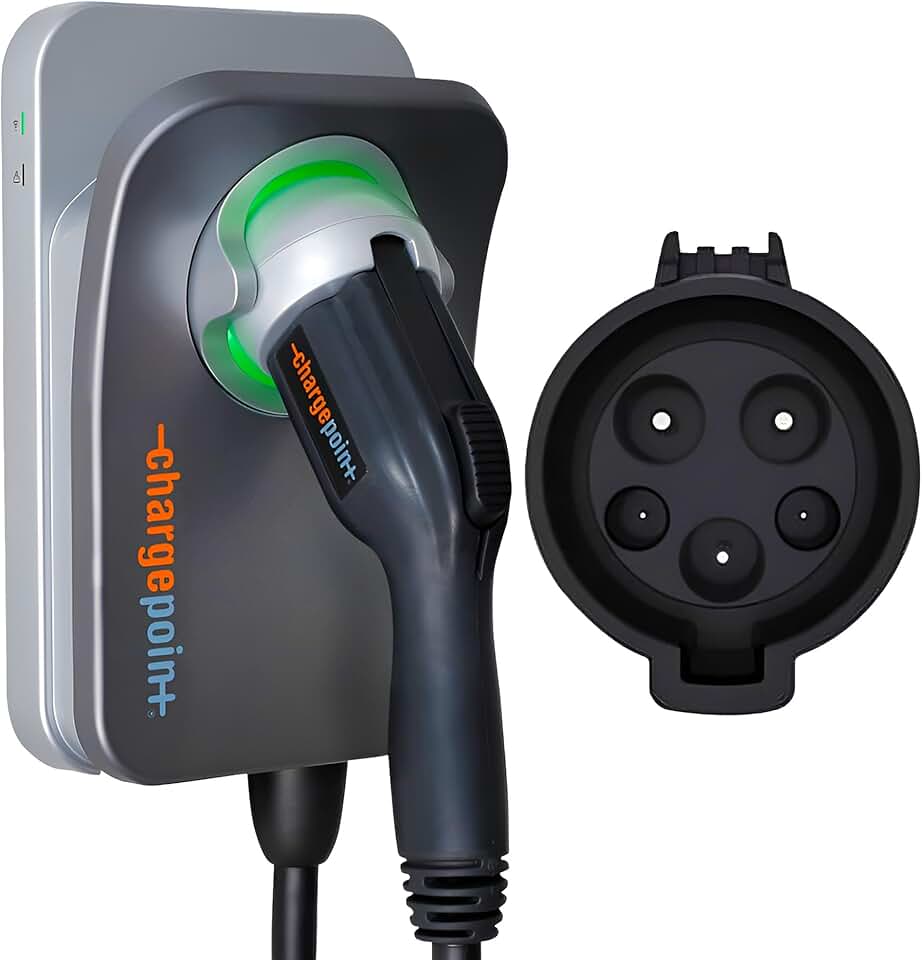
Level 2 charging for faster home charging · Smart features for scheduling and monitoring · J1772 connector compatible with most EVs
A popular and reliable smart charger offering fast charging speeds and app control for home use.

Level 2 charging up to 48A for rapid charging · NACS connector for Tesla vehicles · UL Certified and Energy Star Partner
The official Tesla Wall Connector provides fast charging specifically for Tesla vehicles with smart integration.
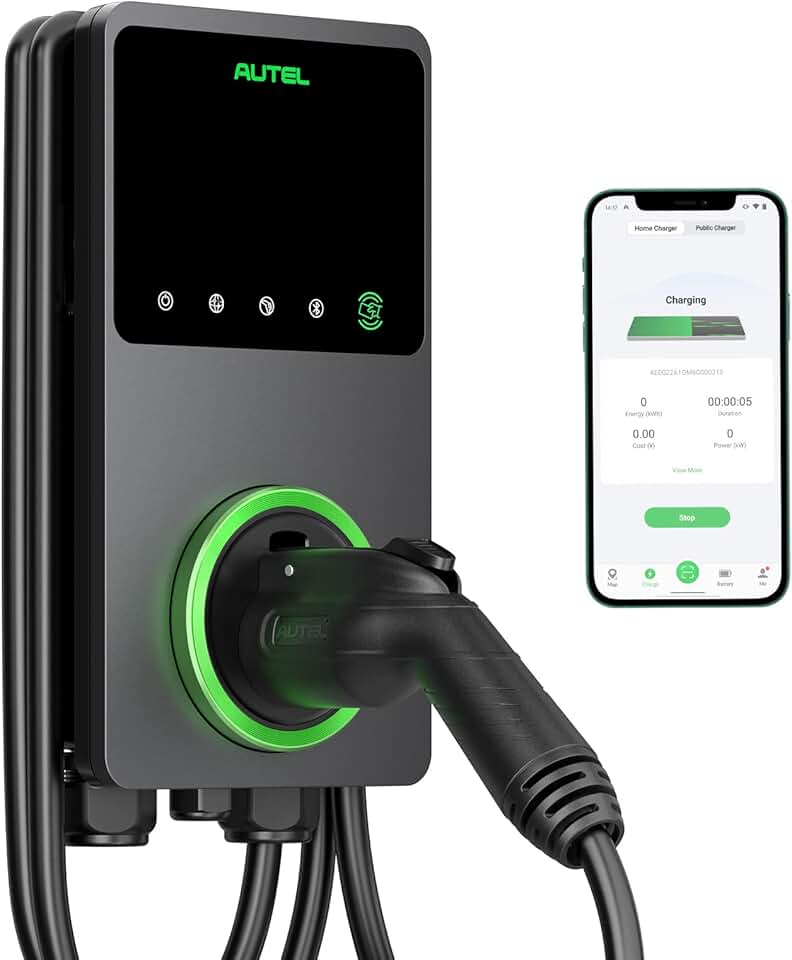
50 Amp Level 2 smart charger with Wi-Fi and Bluetooth · AI capabilities for optimized charging · Suitable for indoor and outdoor use
This smart charger offers high amperage and advanced AI features for efficient and convenient EV charging.
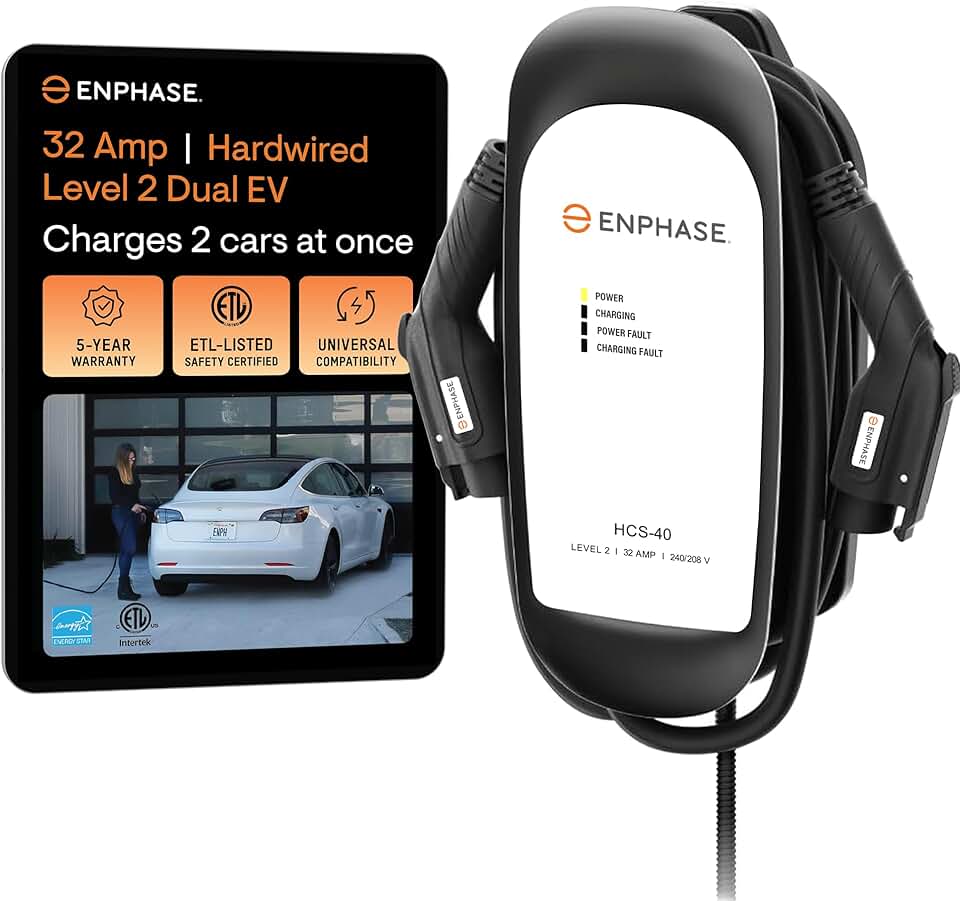
Dual EV charger, capable of charging two vehicles simultaneously · 32 Amp Level 2 charging · Hardwired installation
An excellent option for households with multiple EVs, this dual charger provides simultaneous charging capabilities.

NACS connector for Tesla vehicles · 40-48 Amp hardwired Level 2 charger · Wi-Fi enabled with smart app control
This smart, weatherproof charger offers high amperage and app control, suitable for outdoor installations and Tesla vehicles.
As an Amazon Associate I earn from qualifying purchases. Prices may vary.
Commercial Charging Station Costs: A Deeper Dive
Commercial EV charging station installation is a larger investment than residential. DC fast chargers, essential for customer attraction and fleet operations, typically cost $20,000-$100,000 per charger, including infrastructure upgrades.
Site preparation, including ensuring adequate electrical load capacity (potentially requiring transformer or panel upgrades), can cost $5,000-$50,000. Network connectivity for management, billing, and monitoring also involves upfront costs and potential monthly subscription fees.
Load management systems, critical for preventing demand charges based on peak usage, can add $2,000-$10,000 to installation costs. ADA compliance, ensuring accessibility through features like accessible parking and charger placement, is also a consideration.
Ongoing maintenance costs range from $500-$2,000 per charger annually. Business models (pay-per-use, subscription, free amenity) impact revenue and ROI, requiring careful consideration of pricing and user experience.
Commercial Charger Levels: Costs Compared
The cost difference between commercial Level 2 and DC fast chargers is considerable. Level 2 chargers are less expensive upfront and suitable for locations with longer parking times, like workplaces. DC fast chargers are necessary for locations requiring quick turnaround, such as highway rest stops or shopping centers.
While Level 2 chargers have lower upfront costs, DC fast chargers serve more vehicles daily, potentially generating more revenue. However, higher installation, maintenance, and demand charges must be factored into the total cost of ownership for DC fast chargers.
- Level 2 (50kW, 4 Ports): Equipment: $10,000 - $20,000, Installation: $5,000 - $15,000, Permitting: $500 - $2,000, Annual Maintenance: $1,000 - $4,000
- DC Fast Charger (150kW, 2 Ports): Equipment: $60,000 - $100,000, Installation: $20,000 - $50,000, Permitting: $1,000 - $5,000, Annual Maintenance: $2,000 - $8,000
Commercial EV Charging Station Cost Comparison - 2026 Estimates
| Charger Level | Equipment Cost | Installation Complexity | Ongoing Maintenance | Total Cost of Ownership |
|---|---|---|---|---|
| Level 2 (7kW) | Lower | Simpler | Minimal | Generally Lower |
| Level 2 (19.2kW) | Moderate | Moderate | Low | Moderate |
| Level 2 (30kW) | Moderate to Higher | Moderate | Low to Moderate | Moderate |
| DC Fast Charger (50kW) | Higher | Significant - Electrical Upgrades Likely | Moderate | Moderate to Higher |
| DC Fast Charger (150kW) | Much Higher | Complex - Substantial Electrical Infrastructure | Moderate to High | Higher |
| DC Fast Charger (350kW) | Very High | Highly Complex - Dedicated Transformer May Be Needed | High | Very High |
Qualitative comparison based on the article research brief. Confirm current product details in the official docs before making implementation choices.
Permitting & Electrical Work: Hidden Costs
Permitting and electrical work often represent underestimated costs. The permitting process varies by municipality, potentially requiring extensive documentation and inspections, and can take several weeks, with possible delays.
Electrical upgrades in older buildings may include panel upgrades ($1,500-$5,000+), trenching for new wiring ($500-$2,000), and dedicated circuits. Hiring an electrician experienced in EV charger installations is essential.
Look for licensed, insured electricians familiar with local permitting. Checking references and online reviews is recommended. Obtaining multiple quotes ensures a fair price, and a reputable electrician can provide an accurate cost estimate.
Future Cost Trends & Considerations
EV charger costs are expected to decline due to economies of scale and technological advancements. Increased production volumes and new materials will likely lower prices. Evolving battery technology may also reduce the need for ultra-fast DC chargers in some applications.
Government policies, including tax credits, rebates, and infrastructure investments, will continue to incentivize charging station deployment and lower costs. Increasing EV adoption will also expand the market, attracting more investment and innovation.
Vehicle-to-grid (V2G) technology, while still in its early stages, has the potential to revolutionize charging infrastructure. V2G allows EVs to not only draw power from the grid but also send power back, potentially alleviating strain on the grid and reducing electricity costs. As V2G technology matures, it could significantly alter the economics of EV charging.

No comments yet. Be the first to share your thoughts!