

EV charger costs in 2026
By 2026, expect to pay between $600 and $2,500 for a standard home setup. While hardware prices are dropping as manufacturing scales, labor and copper costs keep the total bill high. Your final price depends mostly on your home's current electrical capacity and how far the charger sits from your breaker box.
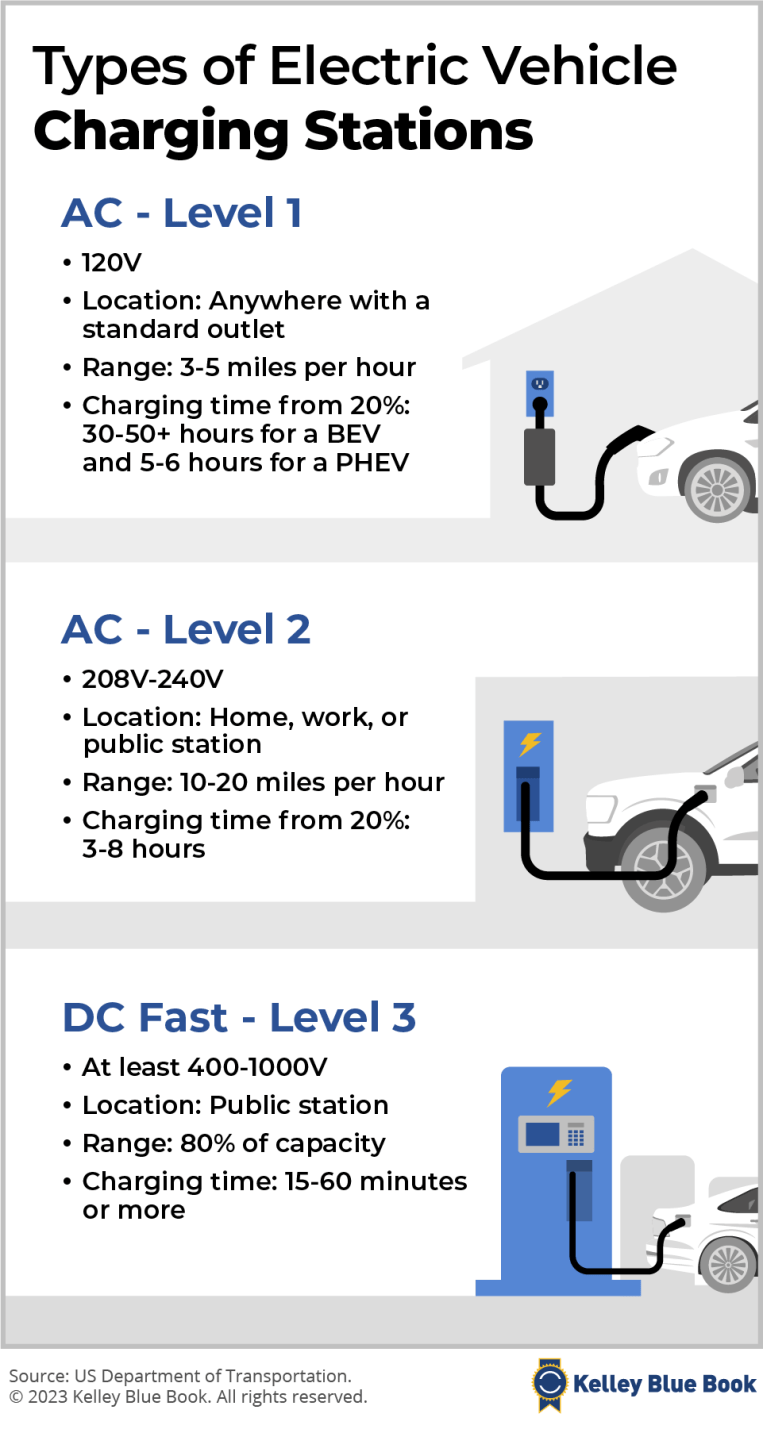
There are three primary levels of EV chargers: Level 1, Level 2, and DC Fast Charging. Level 1 chargers utilize a standard 120V outlet, are the slowest, and are best suited for overnight charging at home. Level 2 chargers, requiring a 240V circuit, are significantly faster and are commonly used in homes, workplaces, and public locations. DC Fast Chargers offer the quickest charging speeds, primarily for public fast-charging stations along highways.
In 2026, we anticipate continued downward pressure on charger hardware costs due to increased manufacturing scale and competition. However, installation costs – and these are often the bigger expense – will likely remain variable. Expect to see regional differences based on labor rates and permitting requirements. Electrical panel upgrades, a common hidden cost, are also likely to increase in price as demand for electrical services rises.
A realistic budget requires acknowledging that a simple Level 1 setup can be minimal, while a full-scale DC Fast Charging installation can easily exceed tens of thousands of dollars. The biggest factor is always going to be how much electrical work is needed at the site. Don't assume your existing electrical system can handle the load.
Home charging: level 1 and level 2 costs
For most EV owners, home charging is the most convenient option. Level 1 charging, using a standard 120V outlet, requires minimal upfront investment – typically just the cost of a charging cable, around $200-$400. However, it adds only 3-5 miles of range per hour of charging, making it suitable primarily for plug-in hybrids or drivers with very short commutes.
Level 2 charging is where things get more substantial. It requires a dedicated 240V circuit, similar to what a clothes dryer or oven uses. The cost of the Level 2 charger itself ranges from $400 to $1,200, depending on features like smart connectivity and charging speed. But the charger is often the smallest piece of the puzzle.
The biggest wildcard is the electrical panel. If your panel is old or doesn't have sufficient capacity, you’ll need to upgrade it. A panel upgrade can run from $1,500 to $4,000 or even higher, depending on the size of the upgrade and local labor costs. Wiring from the panel to the charger location adds another $100-$500, depending on distance and difficulty. Don't forget permits – these can easily add $100-$300 to the cost, varying by municipality.
Labor costs for installation typically range from $50 to $150 per hour, and a Level 2 installation can take anywhere from 4 to 12 hours. Several states and utility companies offer rebates and incentives for EV charger installation. The Database of State Incentives for Renewables & Efficiency (DSIRE) – afdc.energy.gov – is a great resource for finding programs in your area. These incentives can significantly reduce your out-of-pocket expenses.
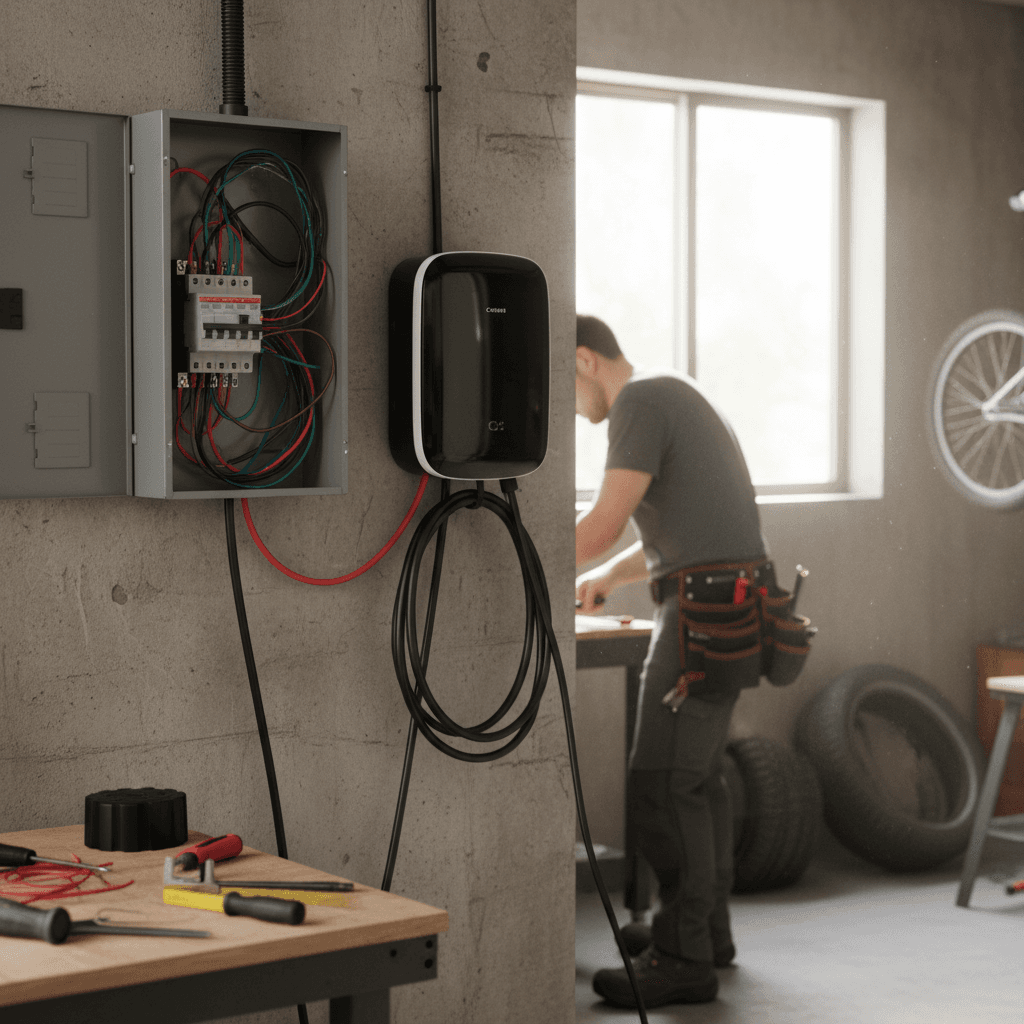
I’ve seen too many homeowners underestimate the electrical work required. A site assessment by a qualified electrician is absolutely critical before you start shopping for a charger. They can accurately assess your panel capacity, wiring needs, and potential permitting hurdles. Ignoring this step can lead to costly surprises down the line.
Commercial Charging: Costs & Considerations
Installing EV charging stations for commercial use – whether at a business, apartment complex, or public parking area – is a different ballgame than home installation. The costs are significantly higher due to increased power demands, network connectivity requirements, and the need to comply with accessibility standards like the Americans with Disabilities Act (ADA).
Level 2 chargers are common for workplaces and apartments, with costs ranging from $600 to $2,000 per port, excluding installation. DC Fast Chargers, suitable for highway rest stops or fleet depots, can cost anywhere from $20,000 to $80,000 per port. The price difference is substantial, reflecting the greater power infrastructure and technology involved.
Permitting is more complex for commercial installations, often requiring coordination with local authorities and utility companies. Site preparation can also be expensive, especially if it involves trenching for new electrical lines or upgrading the electrical service to the building. A thorough site assessment is even more crucial than for home installations. Expect to pay $1,000 - $5,000 for a detailed assessment.
Load management systems are essential for commercial installations to prevent overloading the electrical grid. These systems intelligently distribute power among multiple chargers, ensuring that the site doesn't exceed its electrical capacity. Load management adds $500 - $2,000 per system, depending on complexity. Network connectivity – allowing remote monitoring, billing, and access control – adds another $100-$300 per year per charger.
Commercial charging stations can also generate revenue through charging fees. Setting appropriate pricing and managing access control are important considerations. Ongoing maintenance and repair are also essential to ensure the reliability of the charging infrastructure. Budget approximately 5-10% of the initial installation cost for annual maintenance.
Current data from the Department of Energy suggests commercial Level 2 installations now average $4,000 to $8,000. For DC fast charging, hardware and grid upgrades often push the total past $120,000 per port. Inflation has rendered 2015-era estimates obsolete.
Level 2 vs. DC Fast Charging: Commercial Application Comparison (2026 Outlook)
| Upfront Cost | Installation Complexity | Charging Speed | Scalability | Target User | Revenue Potential |
|---|---|---|---|---|---|
| Medium | Medium | Moderate | Good | Employees, Customers with Longer Dwell Times | Moderate - relies on session duration |
| High | High | Very Fast | Moderate | Transit, Fleet, High-Traffic Locations | Higher - supports faster turnover and peak demand pricing |
| Lower | Low | Slow | Good | Residential, Workplace - Overnight Charging | Lower - primarily cost recovery or amenity |
| Trade-off | Trade-off | Moderate | Better for dense deployments | Mixed Use - caters to varying needs | Moderate - dependent on user mix |
Qualitative comparison based on the article research brief. Confirm current product details in the official docs before making implementation choices.
Hidden installation expenses
Beyond the cost of the charger itself, several installation factors can significantly impact the overall expense. Electrical panel capacity is arguably the biggest. If your panel can’t handle the additional load, an upgrade is necessary. This isn't a small expense; it can easily add thousands of dollars to the project.
Trenching for wiring can be surprisingly costly, especially if you have rocky terrain, tree roots, or other obstacles. The longer the distance between the electrical meter and the charger location, the higher the wiring costs will be. Permits are another variable expense. Fees vary widely by municipality, and the permitting process can be time-consuming.
For commercial installations, demand charges from the utility company can be a significant ongoing cost. These charges are based on your peak electrical demand, and adding EV chargers can increase your demand and your bill. It’s crucial to understand your utility’s demand charge structure before installing chargers.
Consider the type of conduit needed for the wiring. Underground conduit is more expensive than above-ground conduit, but it’s more protected from the elements. The complexity of the installation will also affect labor costs. A simple installation in a readily accessible location will be cheaper than one that requires running wires through walls or ceilings.
Getting multiple quotes from qualified electricians is essential. Don't just go with the lowest bid; consider the electrician’s experience and reputation. A thorough site assessment is also crucial. The electrician should identify any potential challenges and provide a detailed cost estimate.
- Electrical panel capacity often requires a $2,000 upgrade if your home is over 30 years old.
- Trenching costs roughly $50 per linear foot through dirt, but doubles if we have to cut through concrete or rocky soil.
- Permitting: Fees vary by municipality.
- Demand Charges: A significant ongoing expense for commercial installations.
- Wiring Complexity: Running wires through walls or ceilings adds to labor costs.
Charger Hardware: Brands and Price Ranges (2026)
The EV charger market is crowded, with numerous brands offering a wide range of features and price points. Tesla chargers remain popular, but are generally designed for Tesla vehicles (though adapters exist). In 2026, expect Tesla Level 2 chargers to range from $600 to $1,000.
ChargePoint is a well-established brand offering both home and commercial chargers. Their home chargers typically range from $500 to $1,200, while their commercial chargers can cost several thousand dollars per port. Wallbox offers a range of smart chargers with features like load balancing and energy management. Home units range from $450 to $900.
Enel X Way (formerly JuiceBox) is another popular option, known for its reliability and user-friendly app. Their Level 2 chargers typically cost between $500 and $800. Emporia offers a more budget-friendly option, with Level 2 chargers starting around $400. These often lack some of the smart features of more expensive brands.
For DC Fast Charging, ABB and Tritium are leading manufacturers. ABB’s Terra DC fast chargers can cost $40,000 to $70,000 per port, while Tritium’s Veefil-PKT chargers range from $30,000 to $60,000. These prices are estimates and can vary depending on configuration and features.
When choosing a charger, consider factors like charging speed, smart features (remote monitoring, scheduling), connectivity (Wi-Fi, Bluetooth), and warranty. Read reviews and compare specifications to find the best charger for your needs. Don't assume the most expensive charger is always the best; focus on features that are important to you.
Featured Products

Level 2 charging for faster EV charging speeds · Up to 48A charging capability · NACS connector type
This charger offers high charging speeds and is a popular choice for Tesla owners due to its NACS connector and integration with the Tesla ecosystem.

Level 2 smart EV charger · NACS connector (adapter may be needed for non-Tesla EVs) · NEMA 6-50 plug type
The ChargePoint Home Flex is a smart charger that allows for flexible charging speeds and can be controlled via a mobile app, offering convenience and advanced features.

Level 2 charging up to 40 Amp · Suitable for indoor and outdoor use · 25-foot flexible charging cable
This charger provides a balance of performance and durability with its indoor/outdoor rating and a generous cable length, making it a versatile option.
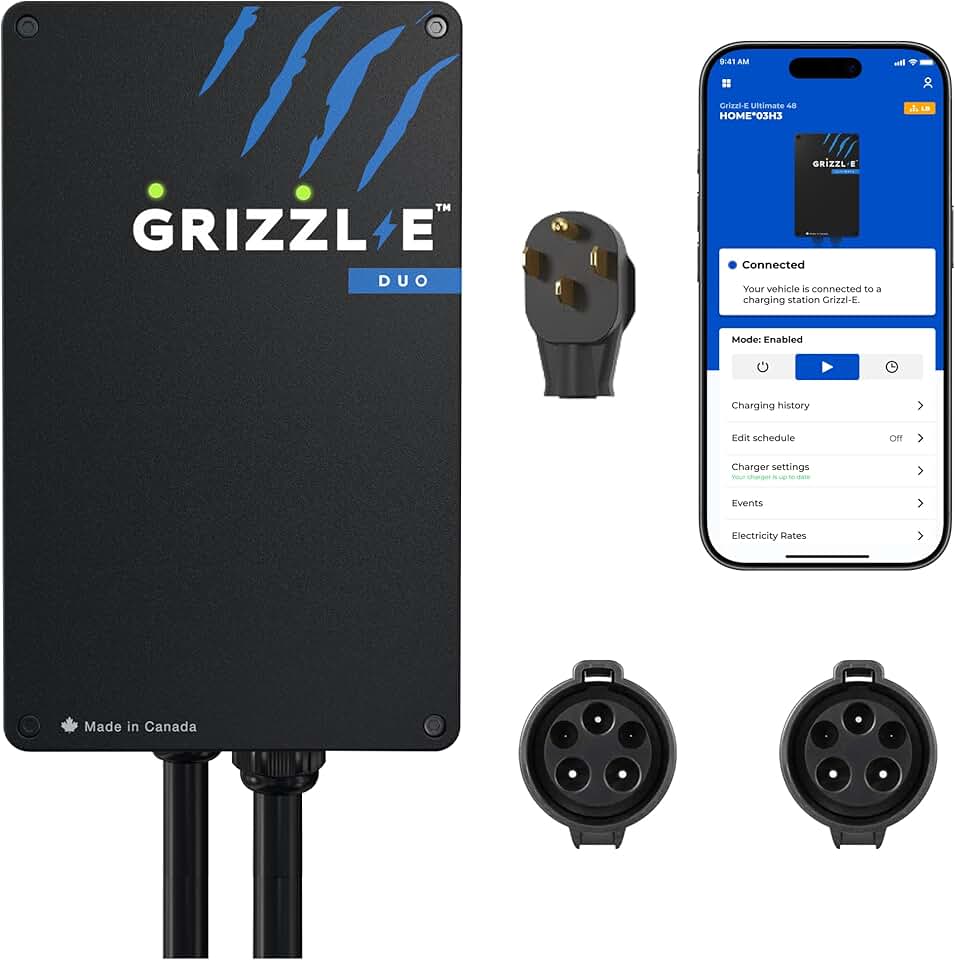
Level 2 charging at 40A / 9.6 kW · Durable metal case for indoor/outdoor use · UL Tested and Certified
The Grizzl-E Duo Connect is built with a robust metal casing and offers dual connector compatibility, making it a highly durable and adaptable choice for various EV models.

Level 2 charging at 40 amps · Smart charging capabilities · Indoor/outdoor rated
The Enel X Juicebox is a well-regarded smart charger known for its reliability and ability to be controlled remotely via a smartphone app, offering a connected charging experience.
As an Amazon Associate I earn from qualifying purchases. Prices may vary.
Long-Term Costs: Maintenance & Upgrades
The initial installation cost isn't the only expense to consider. EV chargers require ongoing maintenance to ensure reliable operation. This includes periodic inspections, software updates, and potential repairs. Budget approximately $100-$200 per year for maintenance, depending on the charger type and usage.
Electrical work may be required if the charger fails or if your electrical system develops issues. A faulty charger can trip breakers or cause other electrical problems. It's important to have a qualified electrician available to diagnose and repair any issues.
As EV technology evolves, you may need to upgrade your charger to accommodate faster charging speeds or new EV models. Newer EVs are capable of accepting higher charging rates, and you may want to upgrade your charger to take advantage of these capabilities. Upgrading a charger can cost several hundred dollars.
Networked chargers often require a subscription fee for access to features like remote monitoring, billing, and access control. These fees can range from $5 to $20 per month per charger. Factor these ongoing costs into your budget to get a complete picture of the total cost of ownership.
No comments yet. Be the first to share your thoughts!