

AI Home Automation Costs: 2026 Snapshot
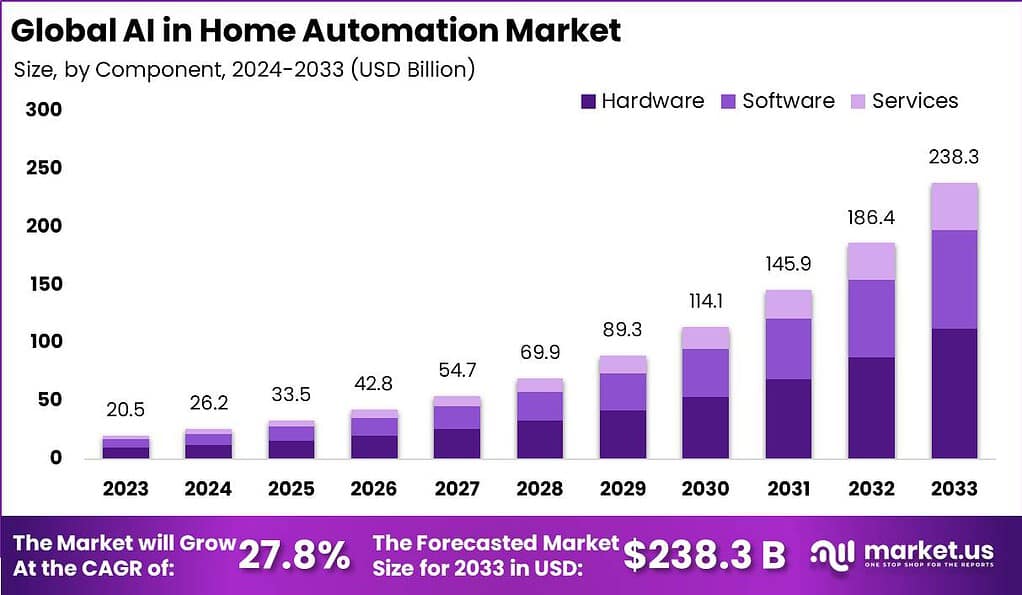
A fully automated home that anticipates your needs is no longer science fiction. In 2026, AI-powered home automation offers growing convenience, but it comes at a price. We're moving past simple voice commands to intelligent systems that learn your habits and adjust your environment. Imagine heating that predicts your arrival or security that recognizes familiar faces.
When discussing AI in home automation, it's crucial to distinguish between true artificial intelligence and simple automation. True AI uses machine learning, pattern recognition, and adaptive algorithms, which increase costs. While more devices will incorporate these capabilities in 2026, expect system prices to rise accordingly.
Several factors influence AI home automation prices. While chip shortages are easing, global supply chain issues can still cause fluctuations. Rising labor rates for professional installation and software subscriptions add recurring expenses. A basic smart home setup might start around $2,000, with comprehensive AI systems exceeding $15,000. The final cost depends on your project's scope and desired automation level.
Core System Costs: Hubs, Protocols, and Standards
The central hub connects and controls your smart home devices. Popular 2026 options include the SmartThings Hub ($100-$150), Hubitat Elevation Hub ($150-$200), and Apple’s HomePod ($300) as a HomeKit hub. Your choice depends on your existing ecosystem and desired control.
Communication protocols impact cost. Zigbee and Z-Wave are reliable, low-power mesh networks requiring a compatible hub. Wi-Fi is convenient but can strain your network and security. Matter, a new standard, aims for seamless cross-manufacturer communication, though full adoption is ongoing and may require replacing older devices.
Matter-compatible devices may cost slightly more upfront but can save money long-term by avoiding compatibility issues. The hub cost is just the start; factor in compatible devices, which add up quickly. A well-planned, interoperable system is more cost-effective than a patchwork of incompatible gadgets.
- SmartThings Hub: $100-$150
- Hubitat Elevation Hub: $150-$200
- Apple HomePod (as HomeKit Hub): ~$300
Smart Home Hub Comparison - 2026 Estimates
| Hub | Approximate Cost (USD) | Protocol Support | Ease of Use | Service Integration |
|---|---|---|---|---|
| Samsung SmartThings | Around $150 - $300 (Hub & Setup) | Zigbee, Z-Wave, Wi-Fi, Matter | Intermediate | Wide range of integrations including appliances, security systems, and voice assistants. |
| Hubitat Elevation | Around $150 - $250 (Hub Only) | Zigbee, Z-Wave, Wi-Fi | Advanced | Focuses on local control; integrations often require community-developed solutions. |
| Apple HomePod (as a Home Hub) | Around $299 - $599 (depending on model) | Wi-Fi, Matter (with HomeKit) | Beginner | Strong integration within the Apple ecosystem; limited support for non-HomeKit devices. |
| Amazon Echo (as a Hub) | Around $100 - $250 (depending on model) | Wi-Fi, Zigbee, Matter (select devices) | Beginner | Seamless integration with Amazon services and Alexa voice control; expanding Matter support. |
| Google Nest Hub | Around $100 - $200 (depending on model) | Wi-Fi, Matter (with Google Home) | Beginner | Strong integration with Google services and Google Assistant voice control; expanding Matter support. |
| Home Assistant (on Raspberry Pi) | Around $100 - $300 (including Raspberry Pi and accessories) | Zigbee, Z-Wave, Wi-Fi, and many others (via add-ons) | Advanced | Highly customizable and supports a vast number of integrations, but requires significant technical expertise. |
Illustrative comparison based on the article research brief. Verify current pricing, limits, and product details in the official docs before relying on it.
Security and Monitoring: Protecting Your Investment
AI enhances home security systems. Smart locks cost $200-$500 per door, offering keyless entry and remote control. Security cameras range from $80 for basic indoor models to $300+ for high-end outdoor cameras with AI object detection. Professional monitoring services represent a significant ongoing cost.
These services cost $20-$60 per month for 24/7 surveillance and emergency dispatch. AI threat detection reduces false alarms by differentiating between people, pets, and environmental factors. DIY systems are cheaper initially but require more effort and self-monitoring. Professionally installed systems offer peace of mind but have higher upfront and subscription costs.
Many home insurance companies offer discounts for smart security systems, potentially offsetting installation and monitoring costs. Consider the long-term benefits of increased security and insurance savings. The choice between DIY and professional monitoring depends on your comfort with technology and budget.
Comfort and Convenience: Climate, Lighting, and Entertainment
Automating comfort features can improve quality of life and save on energy bills. Smart thermostats ($150-$250) learn your preferences and adjust temperature. Smart lighting systems with LED bulbs and smart switches ($20-$50) allow remote control and custom scenes. Smart blinds and shades ($100-$400 per window) automate window coverings to regulate temperature and light.
Whole-home audio systems, controlled by voice assistants or apps, offer immersive entertainment. Costs vary by speaker count and component quality. AI optimizes energy usage: smart thermostats predict occupancy for pre-heating/cooling, smart lighting adjusts to ambient light, and smart blinds close during peak sunlight to reduce heat gain.
Installation costs vary by setup complexity and need for an electrician. Replacing a thermostat is usually a DIY task, but smart switches or lighting rewiring may require a professional. Factor in electrical work at $50-$150 per hour. Energy savings can offset the initial investment over time.
- Nest/Ecobee Smart Thermostats: $150-$250
- Smart Switches: $20-$50 per switch
- Smart Blinds/Shades: $100-$400 per window
Installation Costs: DIY vs. Professional
Installation costs are a significant part of AI home automation expenses. DIY installation is tempting for those comfortable with home improvement, but not always feasible. Angi.com estimates professional installation costs for a smart home system in 2026 range from $500 to $2,000, depending on project scope and complexity. Labor rates typically range from $75 to $150 per hour.
Grounded Electric notes that wiring type and necessary upgrades also affect cost. Permit fees may apply for electrical work. DIY saves on labor but requires tools and equipment. Improper installation can be dangerous and void warranties. Complex systems like whole-home audio or advanced security are best left to professionals.
Consider your skill level when deciding between DIY and professional installation. If unsure, hire a qualified installer to ensure correct and safe setup, and to receive ongoing support and maintenance.
Ongoing Costs: Subscriptions and Maintenance
Costs continue after installation. Many AI systems require subscriptions for cloud storage ($5-$20/month), professional monitoring ($20-$60/month), and software updates. Some manufacturers require subscriptions for the latest updates, essential for security and functionality.
Maintenance and repair costs are also factors. Smart home devices can fail, with components needing replacement every 5-10 years. Regular checks can identify issues early. Factor in battery replacements for sensors and remotes, and potential repair or replacement of faulty devices.
Budgeting for ongoing
- Cloud storage: $5-$20/month
- Professional monitoring: $20-$60/month
- Device lifespan: 5-10 years
AI-Powered Appliances: A Growing Expense
The integration of AI into everyday appliances is a growing trend, and it comes with a corresponding increase in cost. Smart refrigerators, with features like internal cameras and inventory tracking, can cost $2,000 or more. Smart washing machines and ovens offer remote control and automated cooking programs, with price tags ranging from $1,000 to $3,000. Robotic vacuums, equipped with AI-powered navigation and object recognition, typically cost between $300 and $1,000.
These appliances offer added functionality and convenience, but whether the cost is justified depends on your needs and preferences. Some manufacturers are even offering appliance subscriptions, providing access to premium features or automatic refills of consumables. This recurring expense adds to the overall cost of ownership. The convenience of having a refrigerator that automatically orders groceries or an oven that suggests recipes is appealing, but it’s important to weigh the benefits against the cost.
As AI technology continues to advance, we can expect to see even more sophisticated appliances enter the market. The trend towards appliance subscriptions is likely to continue, offering consumers a flexible way to access advanced features without a large upfront investment. However, it’s important to carefully consider the terms of these subscriptions and the long-term cost implications.
No comments yet. Be the first to share your thoughts!