

Setting a realistic renovation budget
Cost estimation is the process of evaluating future expenses based on historical data, performance metrics, and technical requirements. For homeowners, this means moving beyond rough guesses to understand how age, condition, and material choices impact your final invoice. A reliable estimate anchors your financial decisions, preventing unexpected overruns that can derail a project before it begins.
The accuracy of your budget depends on the estimation method used. Early-stage estimates often rely on historical data from similar projects, offering a broad range rather than a precise figure. As plans develop, you can shift to more granular methods like parametric estimating, which uses statistical relationships between historical data and other variables, or bottom-up estimating, which sums the costs of individual tasks. Each method serves a different stage of planning, balancing speed against precision.
To build a sturdy financial foundation, start by defining the scope clearly. Break down the project into measurable units—square footage for flooring, linear feet for trim, or hours for labor. This approach allows you to apply current local rates to specific tasks, creating a transparent view of where every dollar goes. Without this level of detail, even the best intentions can lead to budget shortfalls.
Shortlist real options
Finding the right cost estimation software depends on how you plan to use it. Some tools excel at quick takeoffs for residential remodels, while others are built for complex commercial project management. Below, we compare the strongest options available on Amazon to help you match the right tool to your workflow.
Compare top estimation tools
We evaluated these options based on ease of use, feature depth, and value for money. The table below highlights the core differences so you can decide which fits your renovation or construction needs.
| Tool Name | Best For | Key Feature | Price Range |
|---|---|---|---|
| ProEst | General Contractors | Cloud-based takeoffs | $200-$400/mo |
| BuilderTREND | Remodelers | All-in-one CRM | $150-$300/mo |
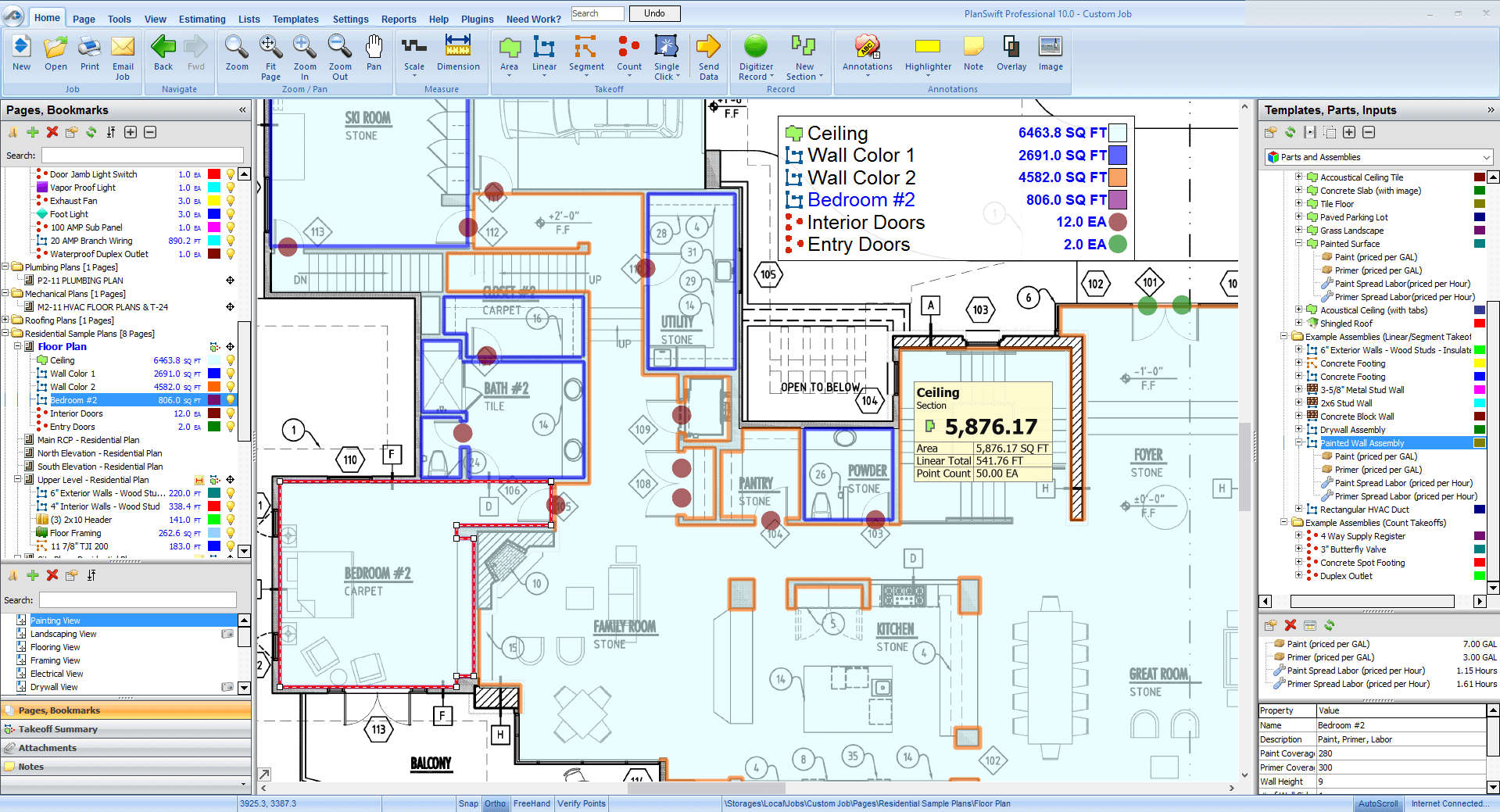
| PlanSwift | Estimators | Fast digital takeoffs | One-time fee |
| Stack | Subcontractors | Collaborative bidding | Free-$50/mo |


As an Amazon Associate, we may earn from qualifying purchases.
How to choose the right estimation software
If you are a general contractor managing multiple large projects, cloud-based solutions like ProEst or BuilderTREND offer the integration you need. For solo estimators or small subcontractors, PlanSwift or Stack provide a more focused, cost-effective approach. Always check the latest user reviews on Amazon to see how these tools perform in real-world scenarios.
Inspect the expensive parts
Before you commit to a budget, check the systems that cause the most budget overruns. Foundation work, roofing, and plumbing are the heavy lifters in any renovation. If you miss a crack in the slab or a rotted beam now, fixing it later costs double. This inspection focuses on the components that break the bank when they fail.
Look for horizontal cracks in the basement walls or uneven floors. These signs often mean the soil is shifting or the footing is failing. Repairing a foundation can easily run $10,000 to $50,000. If the framing behind the drywall is compromised, you are looking at a structural engineer visit and major carpentry work.

Older homes often have galvanized steel pipes or knob-and-tube wiring. These are safety hazards and code violations. A full repipe or electrical panel upgrade is invasive and expensive. Check for water stains on ceilings or under sinks, which indicate hidden leaks that have already damaged drywall and subfloors.
A new roof is one of the most common renovation line items. Look for missing shingles, sagging lines, or granules in the gutters. More importantly, check the grading around your home. If water pools against the foundation, you will face basement waterproofing costs. Fixing drainage is cheaper than fixing the water damage it causes.

An aging furnace or AC unit is a predictable expense. If the system is over 15 years old, budget for a replacement. Also, check the attic insulation depth. Poor insulation drives up utility bills and strains your HVAC system. Replacing old ductwork is another hidden cost that improves comfort significantly.
By catching these issues early, you can adjust your financial decisions and avoid surprise change orders. Prioritize these checks before finalizing your loan or signing a contract with a contractor.


As an Amazon Associate, we may earn from qualifying purchases.
Plan for ownership costs
A renovation budget often stops at the contractor’s invoice, but ownership costs extend well past the final walkthrough. True cost estimation requires accounting for maintenance surprises, energy efficiency shifts, and the depreciation of materials that look fine today but fail in five years. When a cheap buy stops being cheap, it is usually because the initial savings were offset by rapid deterioration or higher operating expenses.
Consider the difference between a standard HVAC system and a high-efficiency heat pump. The upfront price tag might be double, but the monthly utility bills tell a different story. Ignoring these operational costs leads to budget overruns that surprise homeowners long after the renovation is complete. You must evaluate the total cost of ownership, not just the purchase price.
To help you prepare for these long-term expenses, here are essential tools for monitoring and maintaining your new installations.


As an Amazon Associate, we may earn from qualifying purchases.
Planning for these ownership costs transforms a renovation from a simple cosmetic update into a sound financial decision. By anticipating maintenance and operational needs, you avoid the trap of low initial costs leading to high long-term burdens.
No comments yet. Be the first to share your thoughts!