

Why accurate construction cost estimation matters now
Construction costs are no longer a rough guess; they are the dominant force in housing economics. According to 2024 data from the National Association of Home Builders (NAHB), an average of 64.4% of a home's final sales price is driven directly by construction costs, with an additional 13.7% attributed to finished lot costs. Builder profit typically accounts for only about 11.0% of the total price. This means that for every dollar of sales price, nearly two-thirds is locked into the physical act of building. In this environment, even a small percentage error in your initial budget can erase profit margins or make a project financially unviable.
This heavy weighting makes precision in construction cost estimation critical for 2026 budgets. When materials, labor, and equipment prices fluctuate, relying on outdated spreadsheets or generic rules of thumb leads to dangerous gaps in your financial planning. Accurate estimation software doesn't just count bricks; it integrates current market data, regional labor rates, and material trends to provide a realistic baseline. Without this level of detail, you are essentially betting on a number that may not reflect the reality of the job site.
The stakes are higher today than in previous years. Supply chain disruptions and volatile commodity prices have made historical averages less reliable as predictors of future costs. Software that allows for real-time adjustments and scenario planning helps you see how a 10% increase in lumber or steel affects your bottom line before you break ground. This proactive approach transforms estimation from a reactive administrative task into a strategic tool for protecting your financial interests.
Residential construction cost estimation tools
Choosing the right software for residential projects means balancing ease of use with granular detail. Homeowners and custom builders need tools that break down costs by material, labor, and specific line items without requiring a degree in quantity surveying. The following tools are designed to provide accurate, itemized estimates for building a home.
Cost To Build
Cost To Build is tailored for home builders, contractors, and appraisers who need precise, itemized construction cost estimates. It breaks down expenses by material, labor, and every individual line item, making it easier to track where money is going during the planning phase. This level of detail is particularly useful for custom homes where standard square-footage averages often fall short.
Dream Home Calculator
For those who want a quick yet comprehensive overview, the Dream Home Calculator offers an advanced interface with over 100 inputs. It allows users to calculate the true cost of building a home in as little as 15 minutes. The tool is designed to handle the complexity of custom features while remaining accessible to users who are not professional estimators.
Free Cost To Build A House Calculator
Offered by a Texas custom home builder, this free calculator provides a no-signup-required estimate based on square footage and specific features. It is a practical option for homeowners who want a realistic baseline estimate without committing to a paid platform. The tool reflects real-world construction costs from an active builder's perspective, offering a grounded starting point for budgeting.


As an Amazon Associate, we may earn from qualifying purchases.
How to calculate construction cost manually
Software automates the heavy lifting, but understanding the underlying math helps you catch errors and negotiate better. Whether you are using Procore or a simple spreadsheet, the manual process follows a predictable sequence. Think of it like building a house: you need a solid foundation of materials before you add the roof of labor and overhead.
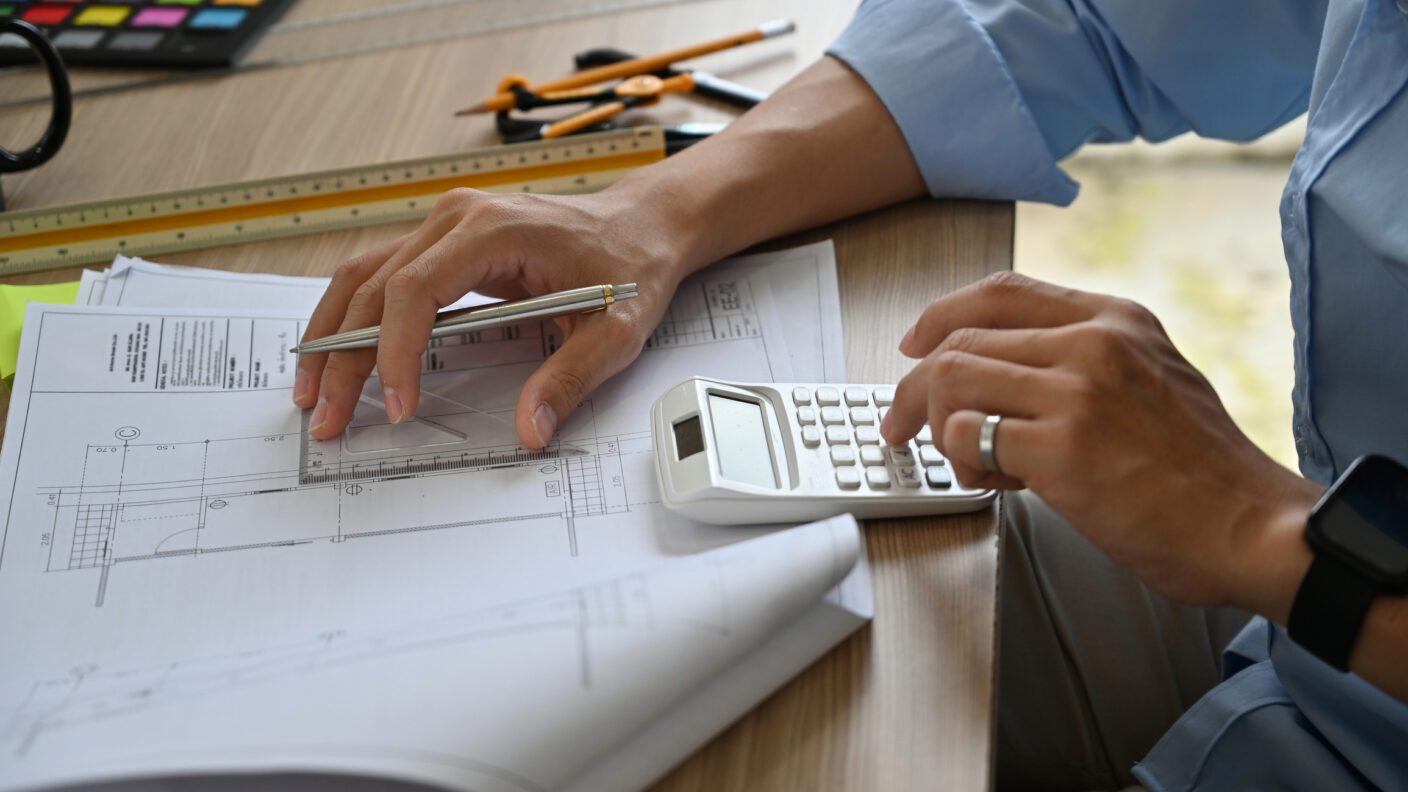
Start by measuring the interior and exterior dimensions of every room and space. Multiply length by width for each area, then add them together. This total square footage (SF) is the baseline for almost all cost calculations. Be precise; a small error in SF compounds quickly when multiplied by material rates.
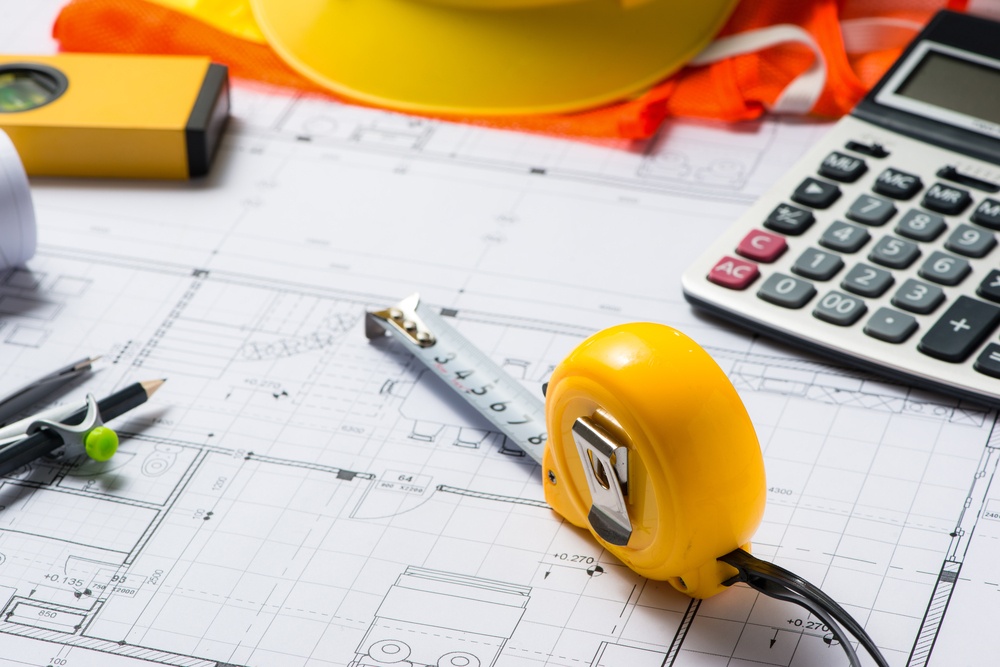
Look up current prices for lumber, concrete, drywall, and finishes in your specific zip code. Divide the total material cost by your total square footage to get a cost-per-SF metric. This number varies wildly based on quality—basic builder-grade materials cost significantly less than premium finishes. Use this metric to adjust your estimate as design choices change.
Labor typically accounts for 30% to 50% of the total budget. Multiply the total square footage by local hourly rates for skilled trades, or use a labor-per-SF multiplier if available in your area. Don’t forget to factor in overtime or complex site conditions that might slow down crews. Accurate labor estimates prevent the most common budget overruns.

Permits, impact fees, and inspections are non-negotiable costs that often get forgotten in initial drafts. Check with your local building department for current fee schedules. These costs are usually fixed regardless of the project size, so they can disproportionately affect smaller renovations. Always add a line item for "soft costs" to cover architectural and engineering services.
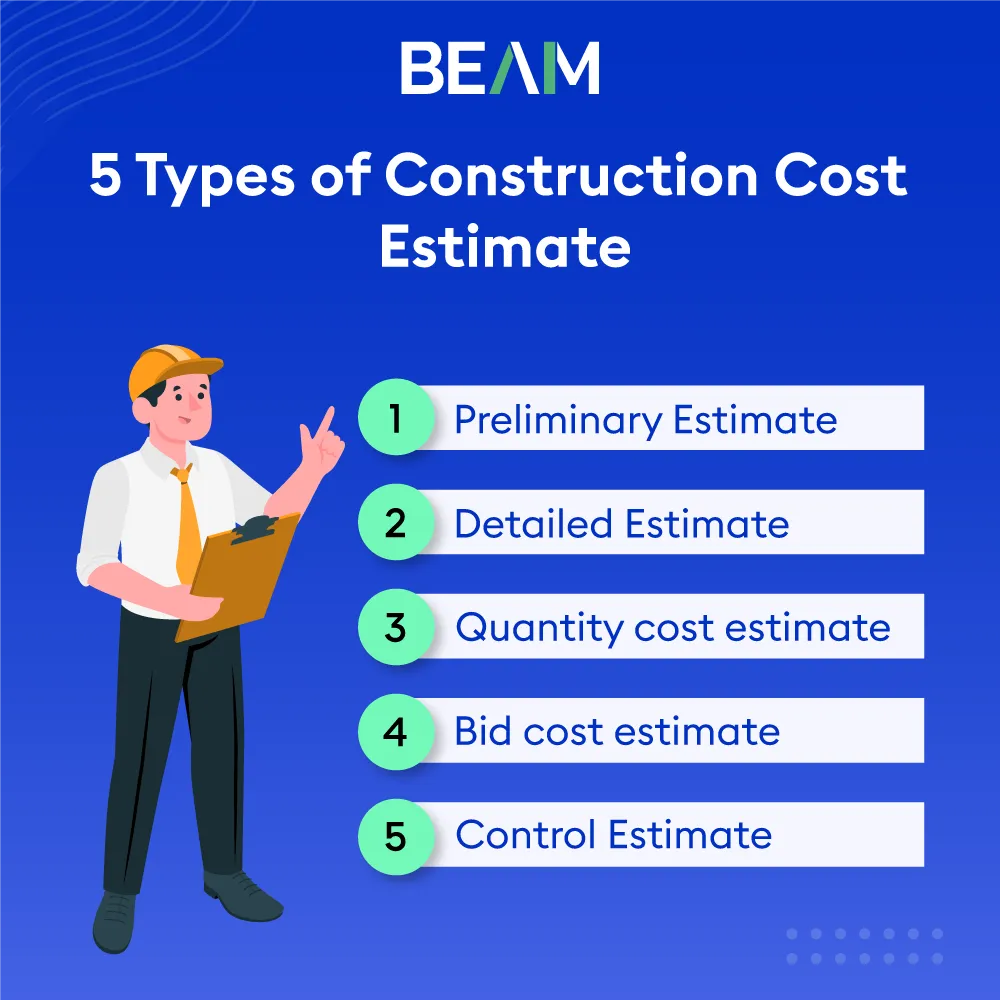
Reserve 10% to 20% of the total budget for unexpected issues. This contingency covers hidden damage, material price spikes, or design changes requested mid-project. Without this buffer, even a well-planned construction cost estimate can fail when reality hits. Treat this money as insurance, not optional spending.


As an Amazon Associate, we may earn from qualifying purchases.
Understanding average cost per square foot
National averages for construction cost provide a baseline, but local market conditions drive the final price. A $162 per square foot average can mask significant regional differences. Labor availability, material shipping distances, and local building codes create wide variances between states.
Construction cost estimation software helps you adjust these national benchmarks to your specific zip code. Instead of relying on a generic multiplier, accurate tools factor in local subcontractor rates and regional material premiums. This precision prevents budget overruns before ground is broken.
The following table compares average residential construction costs per square foot across four representative states. These figures reflect recent market trends and highlight the importance of localized data in your estimation workflow.
| State | Avg. Cost/Sq Ft | Labor Index | Material Index |
|---|---|---|---|
| California | $280 | 115 | 112 |
| Texas | $155 | 95 | 98 |
| New York | $245 | 110 | 108 |
| Ohio | $145 | 92 | 95 |
Common questions about build budgets
Is $100,000 enough to build a house?
For a standard single-family home, a $100,000 budget is rarely sufficient for full construction. Current averages place construction costs around $162 per square foot, meaning this amount would only cover a small accessory dwelling unit (ADU) or a very basic 600-square-foot structure in low-cost rural areas. In most markets, this budget falls short of even the foundation and framing phases.
Is $400,000 enough to build a house?
A $400,000 budget is generally enough to build a modest 2,000-square-foot home in many parts of the country, but it leaves little room for luxury finishes. This range typically covers standard materials and contractor fees, provided you own the land. If you are building in high-cost coastal regions, $400,000 may only cover a smaller footprint or require significant owner-sweat equity.
What does it cost to build a 2000 ft home?
Building a 2,000-square-foot home typically costs between $320,000 and $400,000, depending on location and finish levels. The national average hovers around $162 per square foot for basic construction, but this can rise to $195 or more when including contractor fees and regional labor variances. Using specialized construction cost estimation software helps refine these numbers by breaking down material and labor line items specific to your zip code.
How to calculate the construction cost?
Accurate construction cost calculation requires an itemized approach that accounts for direct costs like materials and labor, as well as indirect costs like permits and engineering fees. Tools like Procore and CostToBuild provide detailed estimating templates that help you avoid underestimating hidden expenses. Start by gathering local material prices, then apply regional labor multipliers to get a realistic total budget.
No comments yet. Be the first to share your thoughts!