
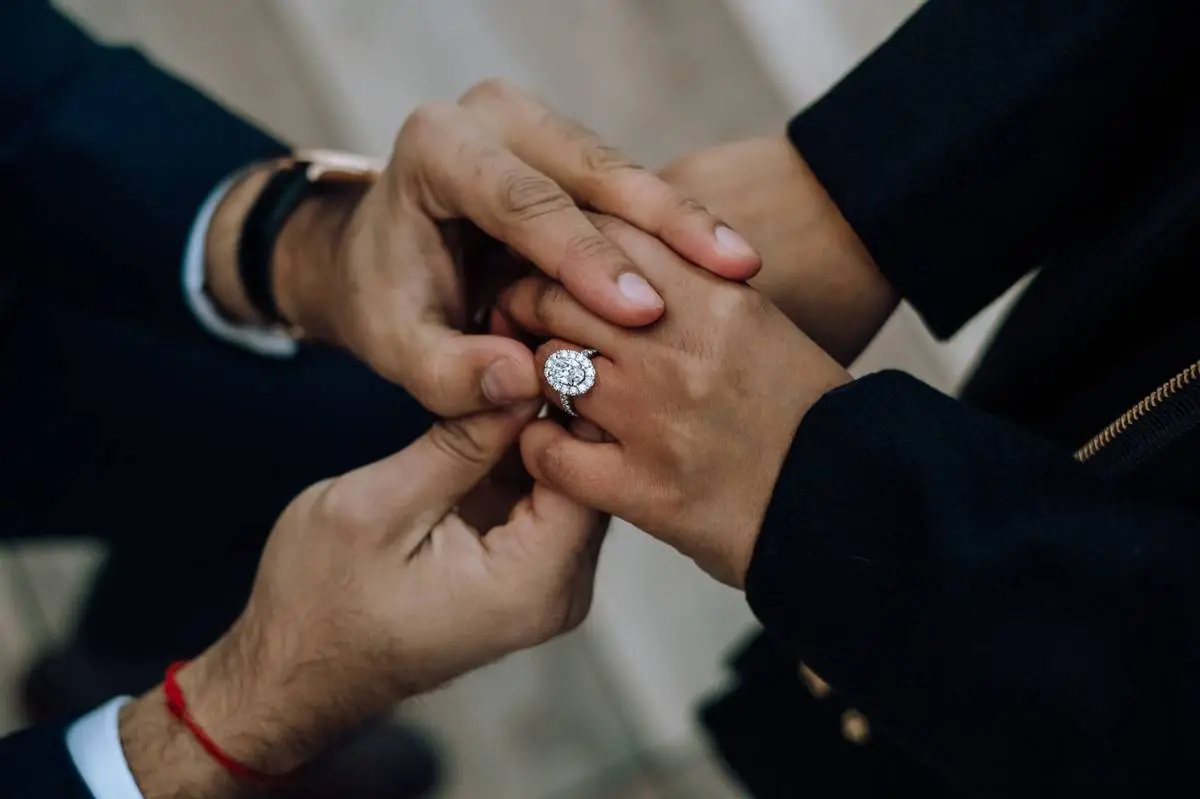
Budget-fit: Wedding ring cost budget
The average cost of a wedding ring often feels like a moving target, influenced heavily by age, condition, and the specific market you choose. While traditional retail prices for new diamonds can soar past $10,000, a realistic budget for a solid, durable ring typically sits between $2,000 and $5,000. This range allows you to secure a stone with good clarity and color without paying the premium for brand-new retail markup. Condition plays a massive role in value retention. A pre-owned ring in excellent condition can offer the same visual impact as a new one for half the price. When evaluating fit, consider the metal type and setting style; platinum and white gold hold value differently, and intricate settings can complicate future resizing or repairs. Understanding these tradeoffs helps you allocate funds where they matter most—usually toward the center stone’s quality rather than the brand name.


As an Amazon Associate, we may earn from qualifying purchases.
Setting a firm ceiling early prevents sticker shock. If you aim for a specific carat weight, prioritize cut quality over color or clarity to maximize sparkle. This approach ensures your ring looks its best without exceeding your financial comfort zone, keeping the focus on the celebration rather than the debt.
Shortlist real options
Finding the right wedding ring cost starts with matching your budget to the right materials. Prices vary widely based on metal type, stone quality, and retailer markup. The following table compares four common ring types across typical price ranges, helping you estimate where your money goes.
Simple gold bands offer the most predictable cost. A basic 14k white gold band often starts around $300–$500, while platinum bands run higher due to material density. These options skip the diamond markup, keeping costs under $1,000 for most buyers.
Diamond solitaires introduce the most variables. A 1-carat diamond can range from $2,000 to over $8,000 depending on cut and clarity. Retailers like Jared often list rings in the $2,000–$5,500 range for 1–2 carat stones, but prices can drop significantly during sales. Always check the final price against the original listed price to gauge real value.
Custom or vintage rings add labor costs. Hand-engraving or antique settings can push a simple band into the $1,500–$3,000 range. These rings cost more upfront but often carry unique design value that mass-produced rings lack. Consider this if you prioritize distinctiveness over standard pricing benchmarks.
Inspect the expensive parts
Use this section to make the Average Cost of a Wedding Ring decision easier to compare in real life, not just on paper. Start with the reader's actual constraint, then separate must-have requirements from details that are merely nice to have. A practical choice should survive normal use, maintenance, timing, and budget. If a recommendation only works in an ideal situation, call that out plainly and give the reader a fallback path.
-
Verify the basicsConfirm the core specs, condition, and fit before comparing extras.
-
Price the downsideLook for the repair, maintenance, or replacement cost that would change the decision.
-
Compare alternativesCheck at least two comparable options before treating one listing as the benchmark.
Ownership costs and maintenance surprises
The sticker price is only the first expense. Owning a wedding ring involves recurring maintenance and the risk of unexpected repairs that can strain a budget years after the purchase. A $2,000 band may cost more over five years than a $5,000 piece if it requires frequent replating or stone tightening.
Platinum and tungsten carbide are durable but harder to resize, often requiring full replacement if sizing changes occur due to weight fluctuation or pregnancy. Gold alloys, particularly yellow and rose gold, require periodic rhodium plating or polishing to maintain their luster, adding $50–$150 per visit. White gold, while popular for its bright finish, will turn slightly yellow over time without regular upkeep.
Insurance is another hidden cost. Standard homeowner’s policies often have low sub-limits for jewelry, leaving you exposed if the ring is lost or stolen. A dedicated jewelry floater or rider typically costs 1–2% of the ring’s appraised value annually. For a $5,000 ring, that’s $50–$100 a year, but it provides peace of mind and covers loss, not just damage.


As an Amazon Associate, we may earn from qualifying purchases.
Wedding ring cost: what to check next
Before you commit to a budget, it helps to separate marketing myths from actual market data. The "two months' salary" rule is a Victorian-era advertising campaign, not a financial guideline. Today, the average wedding ring cost varies wildly based on material and stone choice.
How much are you supposed to spend on a wedding ring?
There is no official rule for how much you should spend. Financial experts generally recommend spending no more than 10-15% of your annual income, or simply what you can afford without debt. The average engagement ring in the US currently sits between $3,000 and $5,000, but many couples spend significantly less. Your budget should reflect your financial reality, not social pressure.
Is $5000 a lot for a wedding ring?
$5,000 is a solid mid-range budget for a wedding ring. At this price point, you can expect a high-quality platinum or 14k gold band with a genuine diamond or alternative stone. It is not considered "excessive" in most markets, but it is above the median spend. You will get durable materials and good craftsmanship without paying for luxury brand markups.
Is $10,000 enough for a wedding ring?
Yes, $10,000 is more than enough for a premium wedding ring. This budget allows for a large diamond, intricate custom designs, or high-end designer brands. However, "enough" is subjective. If your partner values sentiment over carat weight, you might achieve a more meaningful result spending $3,000. This amount buys you maximum options, not necessarily maximum happiness.
Is $2000 enough for a wedding ring?
Absolutely. $2,000 is a very reasonable budget for a beautiful, durable wedding ring. You can buy a solid gold band or a simple diamond solitaire at this price. Many couples successfully propose within this range by choosing lab-grown diamonds or smaller center stones. The key is prioritizing metal quality and setting durability over stone size.
No comments yet. Be the first to share your thoughts!