

Wedding ring cost budget
The average cost of a wedding ring varies wildly, typically landing between $1,000 and $5,000 for the band alone, though engagement rings often push that total higher. This range reflects the tradeoff between material purity, carat weight, and brand markup. A realistic budget starts with your actual savings, not arbitrary social media benchmarks or outdated "two months' salary" rules.
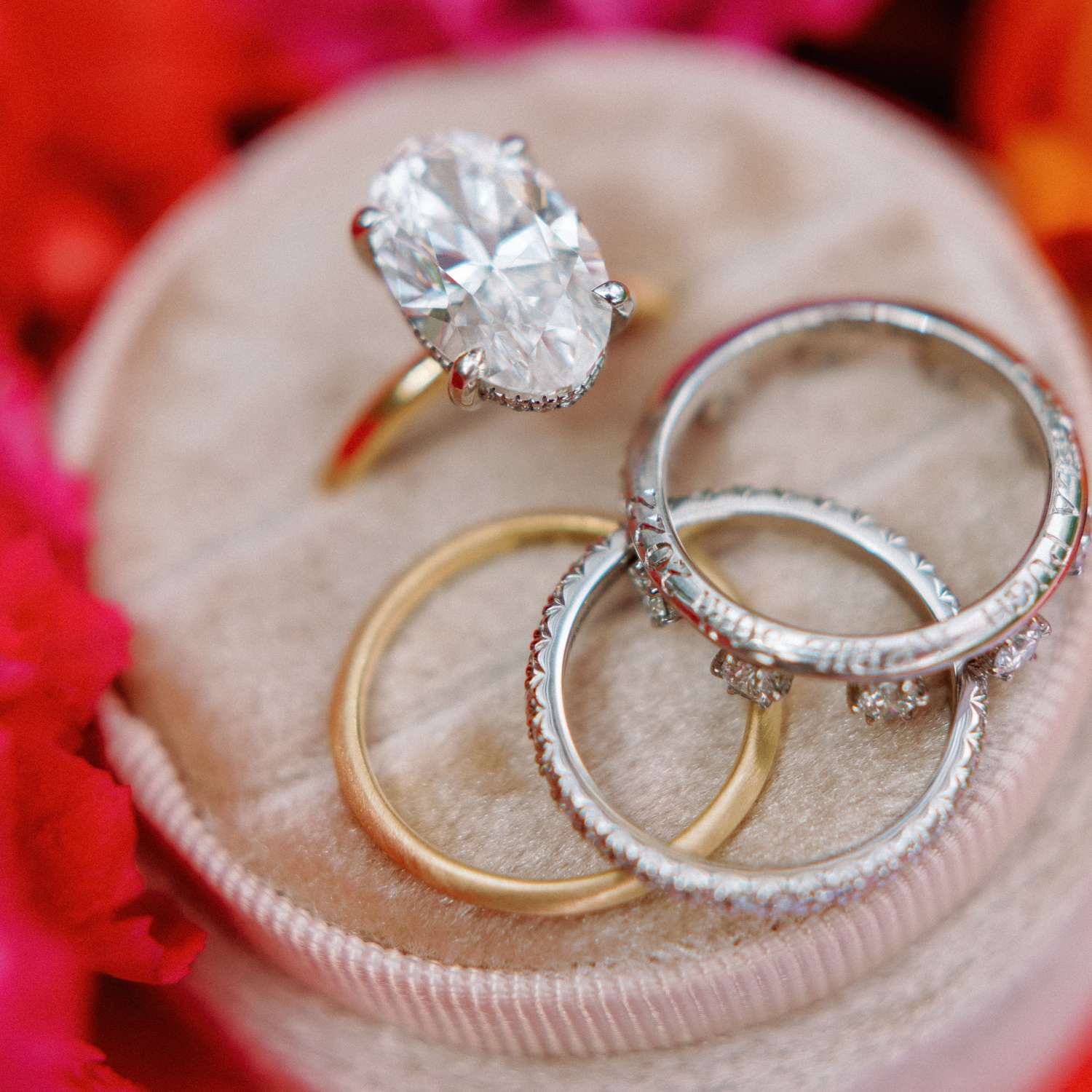
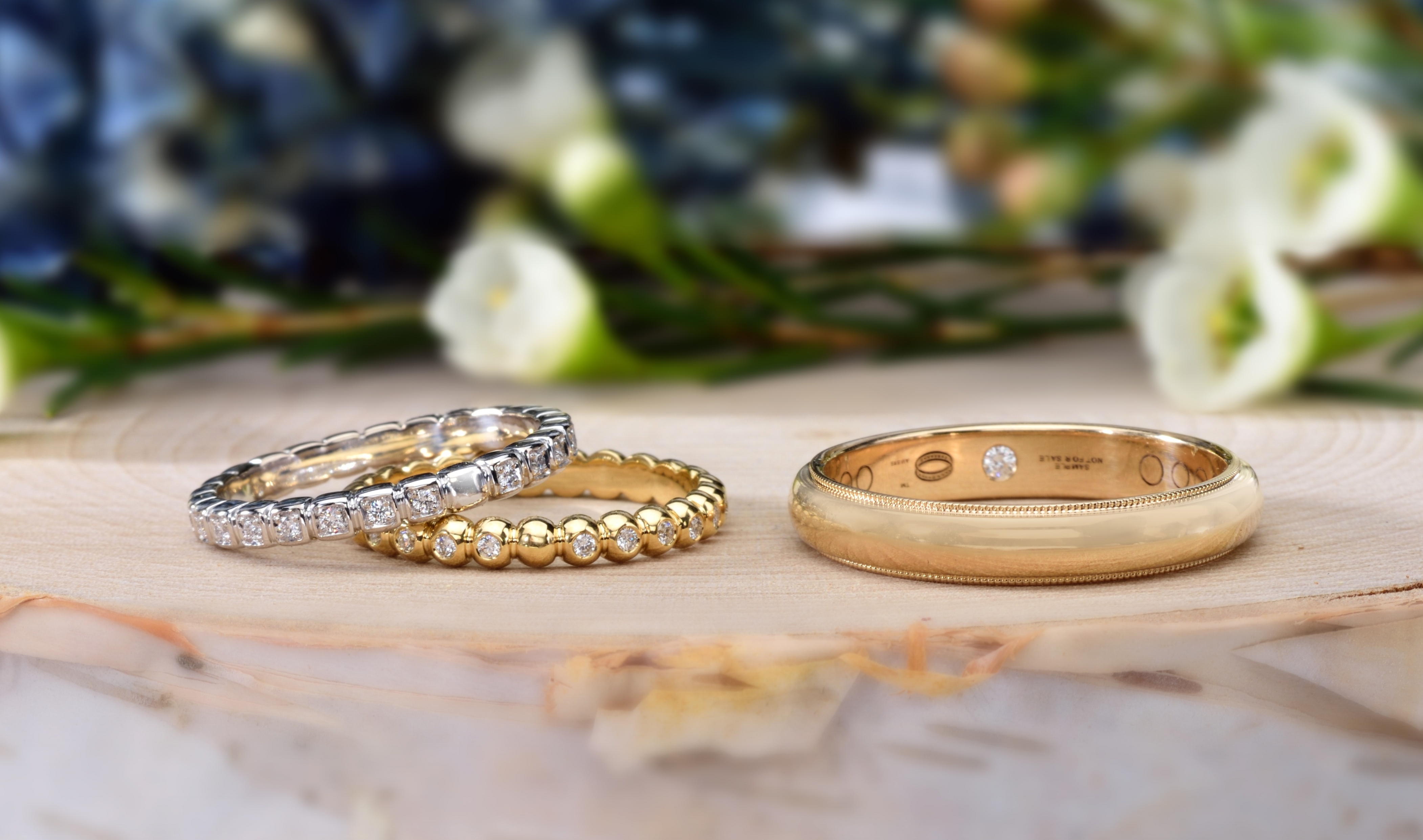
Price tiers generally follow a clear hierarchy. Entry-level bands under $1,000 often use tungsten, titanium, or thin gold profiles. Mid-range options between $1,000 and $3,000 typically offer 14k or 18k gold with modest diamond accents. Premium rings above $5,000 usually feature larger center stones, platinum settings, or high-end designer branding. Understanding these tiers helps you prioritize what matters most: durability, stone size, or metal quality.
Age and condition significantly impact value. New rings carry full retail markup, while certified pre-owned or vintage rings can offer 20–40% savings for identical specifications. Always verify certifications from GIA or AGS when buying second-hand to avoid overpaying for misrepresented quality.
As an Amazon Associate, we may earn from qualifying purchases.
Setting a firm number early prevents sticker shock at the counter. Treat the ring budget as a fixed line item in your overall wedding finances, separate from venue or catering costs. This separation keeps the purchase emotional but financially grounded.
Shortlist real options
Average Cost of a Wedding Ring works best as a clear sequence: define the constraint, compare the realistic options, test the tradeoff, and choose the path with the fewest hidden costs. That order keeps the advice usable instead of decorative. After each step, pause long enough to check whether the recommendation still fits the reader's actual situation. If it depends on perfect timing, unusual access, or a best-case budget, include a simpler fallback.
| Factor | What to check | Why it matters |
|---|---|---|
| Fit | Match the option to the primary use case. | A good deal still fails if it does not fit the job. |
| Condition | Verify age, wear, and service history. | Hidden condition issues erase upfront savings. |
| Cost | Compare purchase price with likely upkeep. | The cheapest option is not always the lowest-cost option. |
Inspect the expensive parts
Average Cost of a Wedding Ring works best as a clear sequence: define the constraint, compare the realistic options, test the tradeoff, and choose the path with the fewest hidden costs. That order keeps the advice usable instead of decorative. After each step, pause long enough to check whether the recommendation still fits the reader's actual situation. If it depends on perfect timing, unusual access, or a best-case budget, include a simpler fallback.
Plan for ownership costs
The sticker price is rarely the final cost of a wedding ring. Ownership introduces recurring maintenance and potential repair expenses that can add hundreds of dollars annually if ignored. A ring is an object subjected to daily friction, chemicals, and physical impact; treating it as a static purchase rather than a wearable tool leads to unexpected bills.
Maintenance and Insurance
Most rings require professional cleaning and prong tightening every six to twelve months. Jewelers often charge $50–$100 per visit, but many offer complimentary cleaning if you purchase insurance or maintenance plans through them. Without coverage, a single lost prong can result in a stone falling out, turning a $2,000 ring into a $0 one. Insurance premiums typically range from 1% to 2% of the ring’s appraised value per year, which is a small price for peace of mind.
When a Cheap Buy Stops Being Cheap
Budget rings often use softer metals or lower-quality settings that degrade faster. A $1,500 ring made of 10k gold may scratch, bend, or lose its polish within a few years, requiring replating or resetting. In contrast, a $5,000 ring in 14k or 18k gold holds its structural integrity and finish much longer. The "cheap" option often becomes more expensive over a decade when you factor in the cost of restoration, resizing, and replacement.
Resizing and Repair
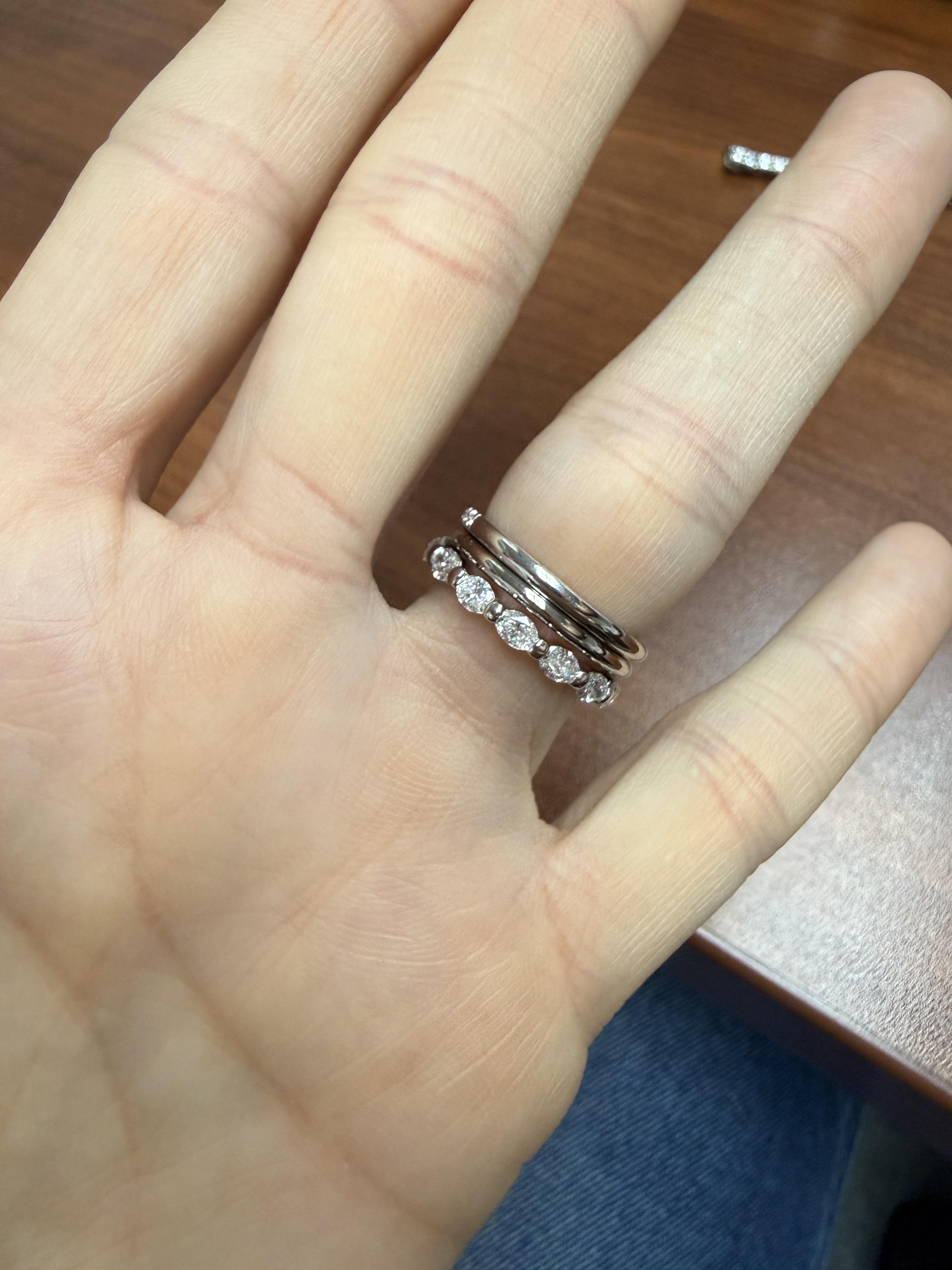
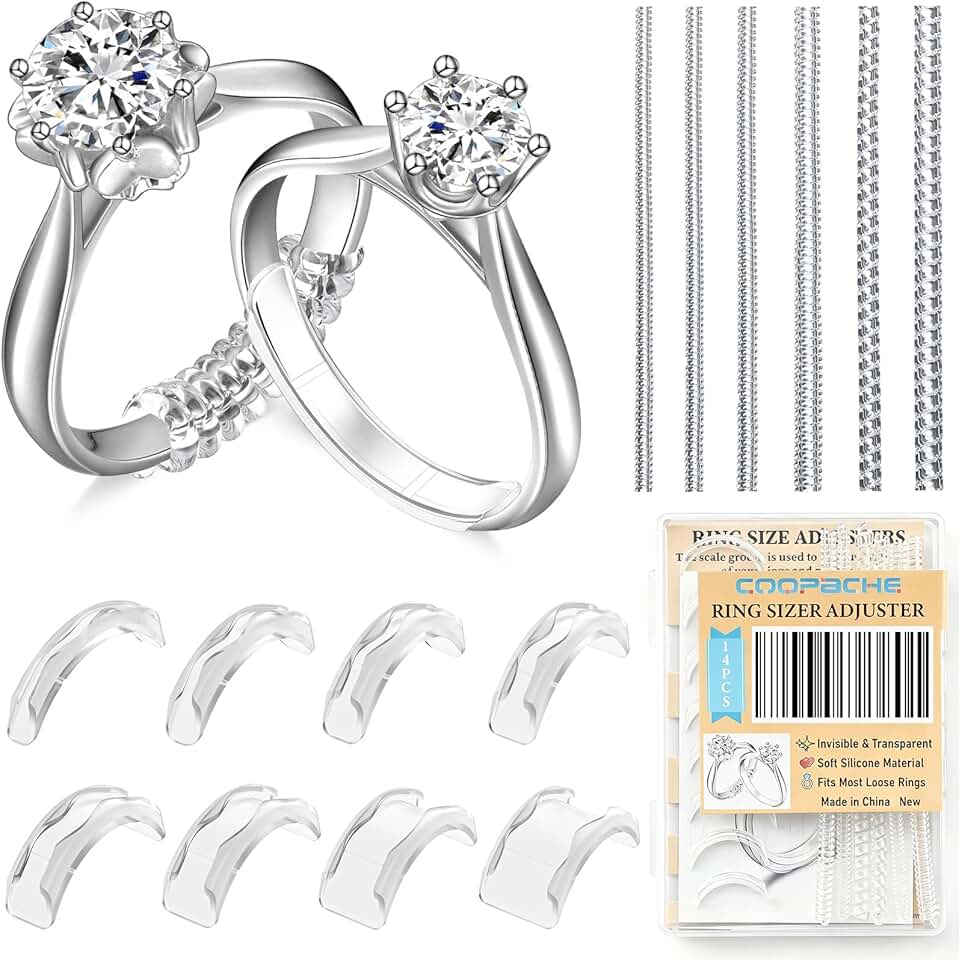
Life changes, and so do finger sizes. Weight fluctuation, pregnancy, or arthritis often require resizing, which costs $50–$150 depending on the metal and complexity. Complex repairs, such as soldering a broken shank or replacing a diamond, can exceed $300. Always budget a small contingency fund for these inevitable adjustments, especially if you choose intricate designs with multiple stones that are harder to repair.

As an Amazon Associate, we may earn from qualifying purchases.
Wedding ring cost: what to check next
Budgeting for a wedding ring often feels like navigating a maze of outdated rules and inflated expectations. The "two months' salary" guideline is a marketing invention from the 1930s, not a financial requirement. Today, the average cost of a wedding ring varies wildly based on material choices, diamond quality, and retailer markup.
Instead of adhering to arbitrary benchmarks, focus on what fits your actual financial plan. Whether you are looking at a simple gold band or a complex diamond solitaire, understanding how materials and market trends affect price helps you make a confident decision without overspending.
No comments yet. Be the first to share your thoughts!