

Lab-grown diamonds: A 2026 outlook
The lab-grown diamond market has experienced substantial growth in recent years, and that trend is expected to continue through 2026. Consumers are increasingly drawn to these diamonds for a number of reasons, primarily their cost-effectiveness compared to mined diamonds. But it’s not just price. Ethical concerns surrounding diamond mining and a desire for more sustainable options are also driving demand.
In the past few years, we’ve seen a significant shift in consumer perception. Lab-grown diamonds were once viewed as "artificial’ or ‘lesser" than mined diamonds, but that stigma is largely fading. Improvements in diamond growing technology have resulted in stones that are virtually indistinguishable from mined diamonds, even to trained gemologists. This has led to greater acceptance and a willingness to consider them for engagement rings and other fine jewelry.
Looking ahead to 2026, I anticipate continued growth, but perhaps at a more moderate pace. As production capacity increases, prices are likely to stabilize, making lab-grown diamonds even more accessible. We’ll likely see further innovation in diamond cutting and setting designs, offering consumers more choices than ever before. It’s a dynamic market, and staying informed is key to making a smart purchase.
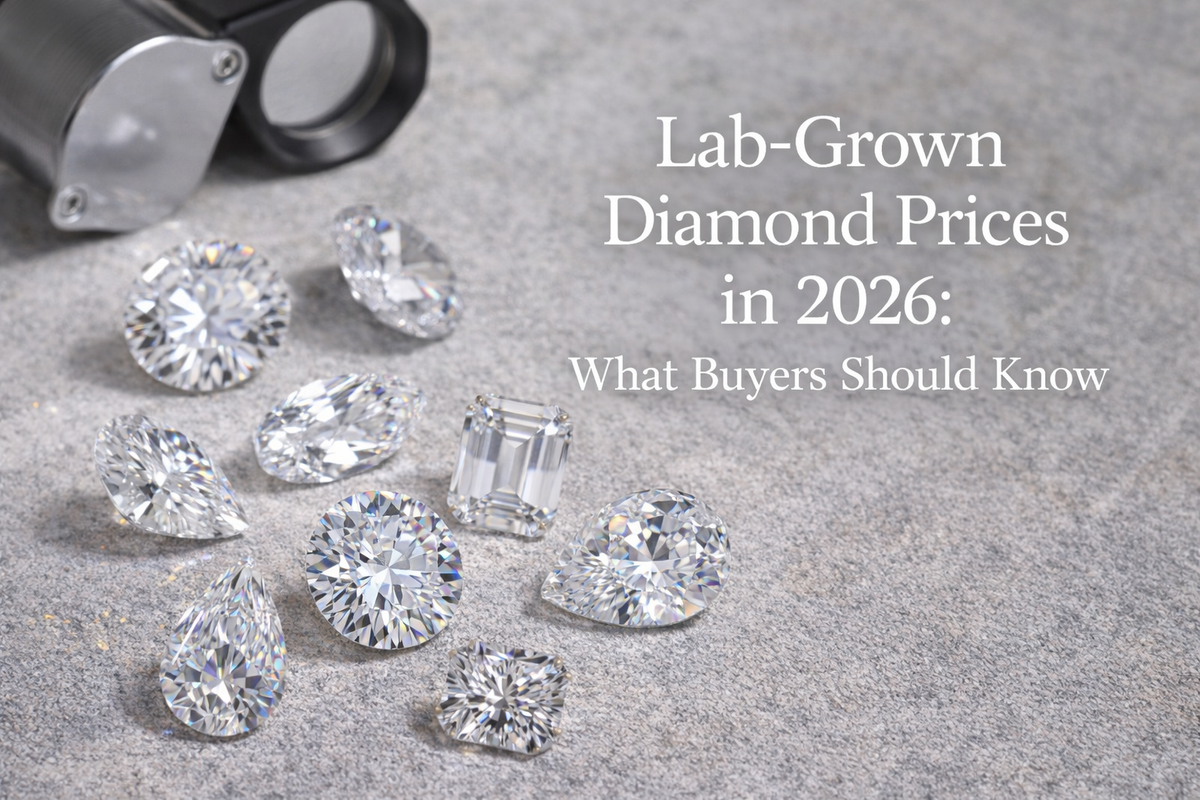
Price factors: The 4Cs and beyond
Understanding the 4Cs – carat, cut, clarity, and color – is essential when determining the price of a lab-grown diamond. Carat weight is the most straightforward factor; larger diamonds are generally more expensive. However, the other Cs play a significant role in determining value. Cut refers to how well a diamond's facets interact with light, and it’s often considered the most important C. A well-cut diamond will sparkle more, even if it’s slightly smaller or has minor imperfections.
Clarity refers to the presence of inclusions (internal flaws) and blemishes (external flaws). Diamonds are graded on a scale from Flawless (FL) to Included (I3). VVS (Very, Very Slightly Included) diamonds have very minor inclusions that are difficult to see even under magnification, and they command a higher price. VS (Very Slightly Included) diamonds are a good balance of price and quality, while SI (Slightly Included) diamonds may have visible inclusions but can still be beautiful and affordable. Color is graded on a scale from D (colorless) to Z (light yellow or brown).
DiamondsDirect.com currently lists a 1.53 carat princess cut, D color, VVS2 clarity lab-grown diamond for $1,469, while a similar stone with E color is priced at $1,442. A 1.52 carat cushion cut, D color, VS1 clarity is listed at $1,399. These prices demonstrate how even slight variations in clarity and cut can affect cost. Heading into 2026, I expect prices for these qualities to remain relatively stable, though supply chain disruptions could cause fluctuations.
Color grading has a big impact. D-F diamonds are considered colorless and are the most valuable. G-J diamonds have a slight tint but still appear colorless to the naked eye and represent a good value. Beyond J, the yellow tint becomes more noticeable. Less common cuts like Asscher or marquise tend to be slightly less expensive than round brilliant cuts, as they require more rough diamond material to produce. This is due to higher material waste during the cutting process.
CleanOrigin.com offers a wide selection of lab-grown diamonds, allowing buyers to customize their rings. Their pricing reflects the factors discussed above, with prices increasing for higher carat weights, better clarity, and colorless grades. Expect to see continued price competition among retailers as the market matures.
Setting materials and styles
The setting material significantly contributes to the overall cost of a lab-grown diamond ring. Gold, platinum, and palladium are the most common choices, each with its own pros and cons. Platinum is the most durable and hypoallergenic option, but it’s also the most expensive. Gold is more affordable and comes in various karat weights.
14k gold is more durable than 18k or 24k gold due to its higher alloy content. However, 18k gold has a richer color and is preferred by some for its luxurious appearance. 24k gold is pure gold and is very soft, making it unsuitable for everyday wear. White gold is often rhodium-plated to enhance its whiteness and durability, but this plating will need to be reapplied periodically.
Setting style also impacts the price. A simple solitaire setting is the most affordable option, while more elaborate settings like halos or three-stone designs will add to the cost. Complexity of design directly correlates with labor costs. Don't be afraid to consider a simpler setting to save money without sacrificing beauty. A well-cut diamond in a classic setting can be just as stunning as a more elaborate design.
- Platinum: Most durable, hypoallergenic, highest cost.
- 18k Gold: Richer color, less durable than 14k, moderate cost.
- 14k Gold: Most durable gold option, affordable.
- Palladium: Lightweight, hypoallergenic, lower cost than platinum.
Lab-Grown Diamond Wedding Ring Setting Material Comparison (Estimated for 2026)
| Setting Material | Cost | Durability | Maintenance | Hypoallergenic Properties |
|---|---|---|---|---|
| Gold (14k) | Medium | Medium | Medium | Medium |
| Gold (18k) | High | Medium | Medium | Medium |
| Platinum | High | High | Medium | High |
| Palladium | Medium | High | Low | High |
| Rose Gold (14k) | Medium | Medium | Medium | Medium |
| White Gold (14k) | Medium | Medium | Medium | Medium |
Illustrative comparison based on the article research brief. Verify current pricing, limits, and product details in the official docs before relying on it.
Comparing online retailers
Vrai and Clean Origin are two of the leading online retailers specializing in lab-grown diamonds. Vrai is known for its modern designs and focus on sustainability. They offer a curated selection of diamonds and settings, with a strong emphasis on customer experience. Their pricing is generally on the higher end, reflecting their brand positioning and design aesthetic.
Clean Origin, on the other hand, offers a wider range of diamonds and settings at more competitive prices. They prioritize transparency and allow customers to customize their rings to a greater extent. Their return policy is also quite generous. I think Clean Origin is a good option for those who want more control over the design process and are looking for a good value.
Other players in the market include James Allen and Brilliant Earth, both of which offer both mined and lab-grown diamonds. These retailers tend to have larger inventories but may not specialize in lab-grown diamonds to the same extent as Vrai and Clean Origin. The best retailer for you will depend on your individual preferences and budget. Consider factors like diamond selection, customization options, return policies, and overall customer service.
Additional costs to consider
Beyond the initial cost of the ring, there are several hidden costs to consider. Insurance is a good idea, especially for valuable diamonds. It will protect you against loss, theft, or damage. Resizing is another potential expense, as finger sizes can change over time. Most jewelers offer resizing services, but there may be a fee involved.
Regular cleaning and maintenance are also important to keep your ring looking its best. You can clean your ring at home with mild soap and water, or you can take it to a professional jeweler for a more thorough cleaning. Finally, consider the possibility of upgrading your diamond in the future. As your tastes evolve, you may want to upgrade to a larger or higher-quality stone.
I'm of the opinion that ring insurance is often worth the peace of mind, particularly for higher-value rings. Financing options are available from many retailers, but be sure to carefully review the terms and conditions before signing up. Avoid high-interest rates and hidden fees. Budgeting an extra 5-10% of the ring's cost for these additional expenses is a smart move.
2026 price projections
Several factors could influence lab-grown diamond prices in 2026. Advancements in manufacturing technology could lead to lower production costs, potentially driving down prices. However, supply chain disruptions or increased demand could have the opposite effect. The availability of raw materials used in the diamond-growing process will also play a role.
Consumer demand is expected to continue growing, but the rate of growth may slow down as the market matures. The increasing popularity of lab-grown diamonds could lead to greater price competition among retailers. Sustainability concerns and ethical sourcing will likely become even more important to consumers, potentially favoring lab-grown diamonds over mined diamonds.
I don’t expect dramatic price swings, but a moderate decrease in prices for certain qualities is plausible. The key will be monitoring the balance between supply and demand, as well as any technological breakthroughs that could impact production costs. The long-term trend is likely to be towards greater affordability and accessibility of lab-grown diamonds.
Featured Products

Certified 1, 2, or 3 carat Marquise lab-grown diamond · Available in VS1 & VVS2 clarity · Crafted in 10K, 14K, or 18K gold
This ring offers a significant carat weight in a unique Marquise cut, with options for high clarity and various gold types, making it a visually striking and customizable choice.

1 Carat Round lab-grown diamond · Half eternity style band · Stackable design for versatility
This versatile band features a classic round diamond in a half eternity style, perfect for stacking or as a standalone anniversary or engagement ring.

1-3 CT Asscher cut lab-grown diamond · IGI Certified (E-F color, VVS1-2 clarity) · Halo setting for enhanced sparkle
The Asscher cut offers a distinctive geometric elegance, enhanced by a halo setting and certified high-quality diamonds, providing a luxurious and ethical engagement ring option.
Certified 1, 2, or 3 carat Marquise lab-grown diamond · Available in VS1 & VVS2 clarity · Crafted in 10K, 14K, or 18K gold
This ring offers a significant carat weight in a unique Marquise cut, with options for high clarity and various gold types, making it a visually striking and customizable choice.
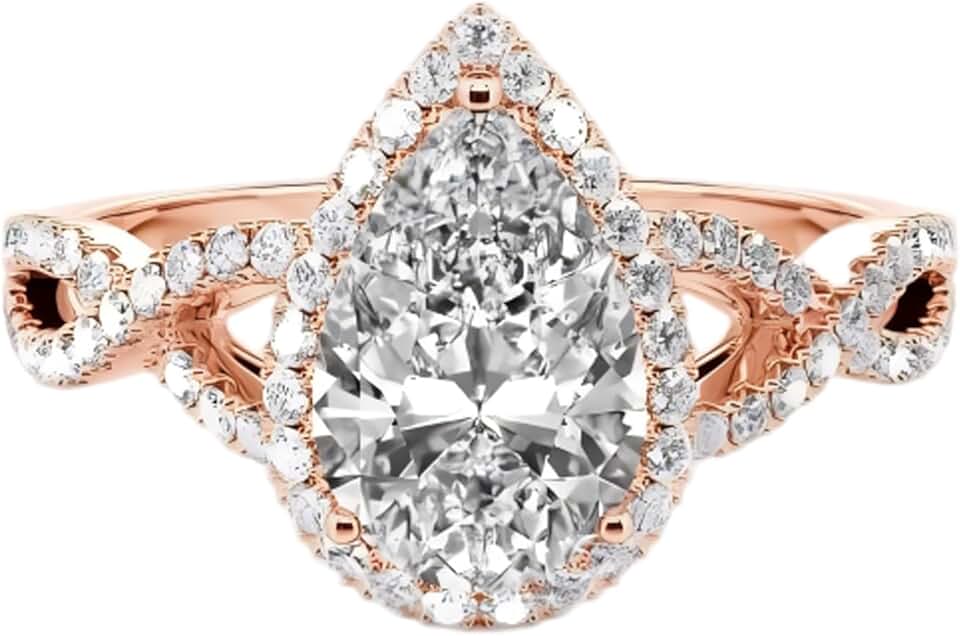
1ct-3ct lab-grown diamonds · IGI Certified (VVS2/VS1 clarity, D color) · Available in 10K, 14K, or 18K solid gold
This engagement ring provides a choice of substantial carat weights with top-tier clarity and color, plus the personal touch of free engraving, all in solid gold.
As an Amazon Associate I earn from qualifying purchases. Prices may vary.

No comments yet. Be the first to share your thoughts!